
AT A GLANCE
- Subject: Sodium Carbonate, also known as soda ash (Anhydrous: CAS No. 497-19-8 | Monohydrate: CAS No. 5968-11-6)
- Why it matters to buyers: A highly alkaline, water-soluble buffering, pH-control, and precipitation agent used everywhere from glass manufacturing to laboratory reagent work
- Key regulations: Approved food additive under E500(i) (acidity regulator); grade selection determines which compendial standard applies
- Grades Allan Chemical stocks: ACS, NF, FCC, BP, EP, and JP, in both Anhydrous and Monohydrate forms
What is Sodium Carbonate used for? Sodium Carbonate (Na2CO3), commonly called soda ash, is a highly alkaline, water-soluble inorganic salt used as a pH regulator, buffering agent, water softener, and precipitation reagent across a wide range of industries. About half of global soda ash production goes into glass manufacturing, where it acts as a flux that lowers the melting point of silica, but it’s just as common in detergents, water treatment, food processing, and pharmaceutical and laboratory work. Allan Chemical stocks it in both Anhydrous and Monohydrate forms, across ACS, NF, FCC, BP, EP, and JP grades, with a Certificate of Analysis and SDS on every shipment.
What Sodium Carbonate Is, Chemically
Sodium Carbonate has the formula Na2CO3 and a molecular weight of about 105.99 g/mol in its anhydrous form.[1] It’s a white, odorless, hygroscopic solid that dissolves readily in water to form a moderately alkaline solution. The monohydrate form, Na2CO3·H2O, carries one water molecule per formula unit and is registered under its own CAS number, 5968-11-6, distinct from the anhydrous salt. Both forms dissociate the same way in solution, so the choice between them generally comes down to handling, packaging, and dosing preferences for a given process rather than a difference in chemical function.
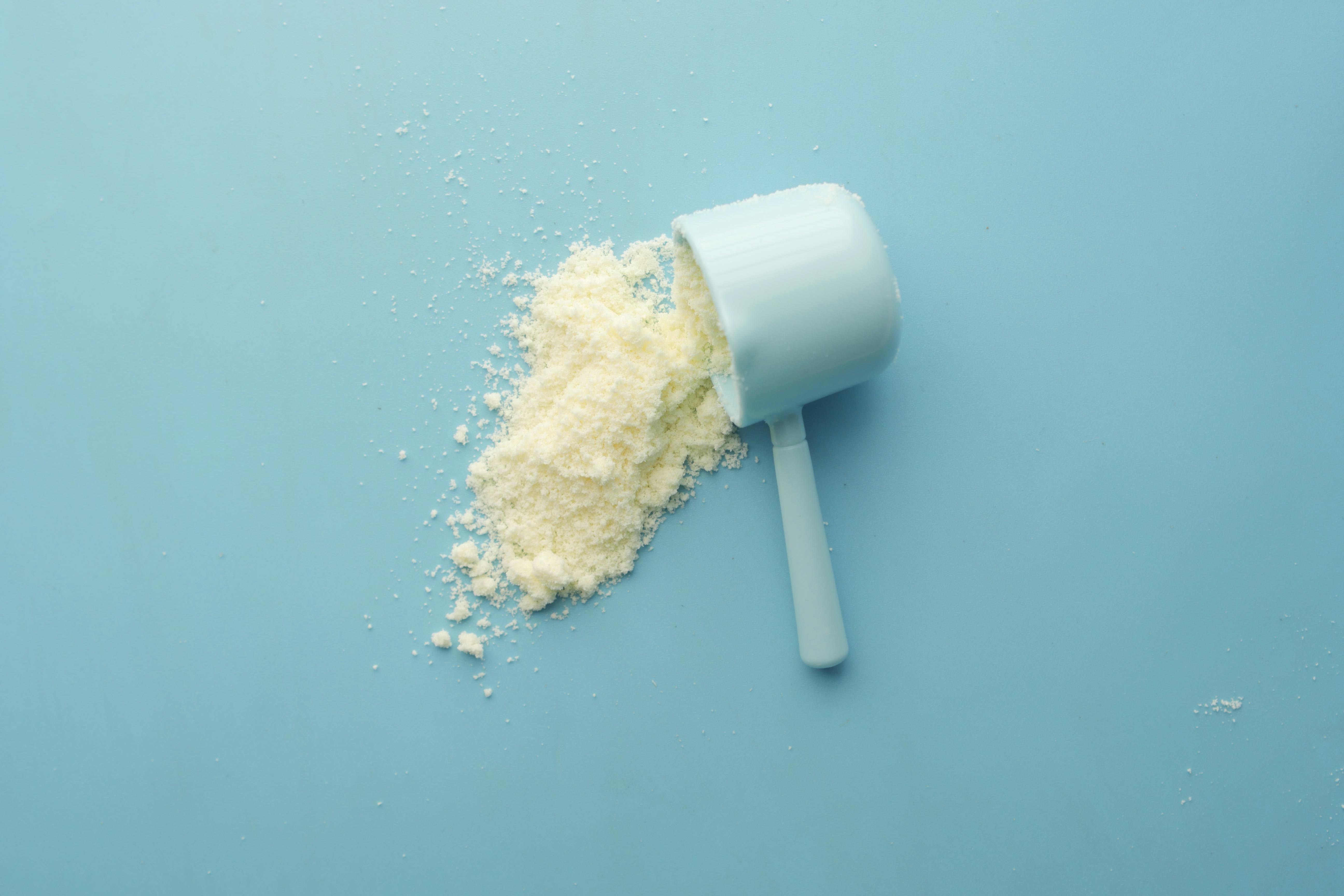
Photo by Towfiqu barbhuiya on Pexels
Grade Comparison
Allan Chemical lists both Anhydrous and Monohydrate Sodium Carbonate across six recognized compendial grades. The right one depends entirely on the intended application — the grades aren’t interchangeable even though the underlying chemistry is identical.
| Grade | Primary Application | Governing Standard |
|---|---|---|
| ACS | Laboratory, analytical, reagent use | American Chemical Society reagent specification |
| NF | U.S. pharmaceutical-quality applications | National Formulary |
| FCC | Food processing, pH adjustment | Food Chemicals Codex |
| BP | UK/Commonwealth pharmaceutical use | British Pharmacopoeia |
| EP | European pharmaceutical use | European Pharmacopoeia |
| JP | Japanese pharmaceutical use | Japanese Pharmacopoeia |
Why It’s Useful Across So Many Industries
Sodium Carbonate’s versatility comes down to three properties working together: it’s a strong, predictable alkali; it’s highly soluble in water, so it’s easy to dose into aqueous systems; and it reacts readily with acids and with calcium and magnesium ions. That combination is why the same compound shows up as a glass-melting flux, a laundry detergent builder, a water softener, and a laboratory buffering agent — each application is really just a different use of the same underlying alkalinity and reactivity.
Applications Across Industries
Glass Manufacturing
Sodium Carbonate is a key raw material in container, flat, and specialty glass production, where it acts as a flux that lowers the melting temperature of silica and makes glass formation more energy-efficient. This is historically the single largest end use for soda ash globally.

Photo by Wendy van Zyl on Pexels
Laboratory and Analytical Chemistry
ACS-grade material is a standard reagent for buffer preparation, pH adjustment, precipitation reactions, and quality-control testing, where defined purity and controlled impurity limits support reproducible results.
Pharmaceuticals
NF, BP, EP, and JP grades cover pH adjustment, buffer systems, and formulation processes across the different regional pharmacopoeial standards, so the correct grade depends on the target market as much as the process itself.
Food Processing
FCC-grade Sodium Carbonate is used for pH adjustment and other formulation processes where a food-ingredient specification applies. It’s recognized in the EU as food additive E500(i), an acidity regulator.
Water Treatment, Detergents, and Other Industrial Uses
Beyond glass and food, Sodium Carbonate is widely used in water treatment and wastewater treatment for pH control and metal-ion precipitation, and as a builder in laundry detergents, where it helps soften water and improve cleaning performance.
What to Verify Before Sourcing It
- COA matched to the intended grade — ACS for lab use, FCC for food, and the applicable NF/BP/EP/JP grade for pharmaceutical applications by target market.
- Anhydrous vs. Monohydrate form, confirmed against your process’s dosing and handling requirements.
- Current SDS on file, since the material is strongly alkaline and hygroscopic and should be stored in sealed containers away from moisture.
For more on how ACS and compendial grades differ across chemicals generally, see our guide to choosing the right chemical grade for lab applications.
Sourcing Sodium Carbonate?
Allan Chemical stocks Anhydrous and Monohydrate Sodium Carbonate in ACS, NF, FCC, BP, EP, and JP grades, with a Certificate of Analysis and SDS included on every shipment.
View Sodium Carbonate at Allan ChemicalOr call (973) 962-4014 | info@allanchem.com
FAQs
Is Sodium Carbonate the same as baking soda?
No. Baking soda is sodium bicarbonate (NaHCO3), a milder, less alkaline compound. Sodium Carbonate is a stronger base and is not used as a food leavening agent the way baking soda is.
What’s the difference between Sodium Carbonate Anhydrous and Monohydrate?
The anhydrous form contains no water of crystallization, while the monohydrate form carries one water molecule per formula unit. Both dissolve and react the same way in solution; the choice mainly affects handling, weight-basis dosing, and packaging.
Which grade should a laboratory use?
ACS grade is the standard choice for laboratory and analytical applications requiring reagent-quality specifications, though the exact grade should always be confirmed against the requirements of the specific analytical method.
What documentation should come with a shipment?
A Certificate of Analysis matched to the correct grade (ACS, NF, FCC, BP, EP, or JP) and a current Safety Data Sheet, given the material’s alkalinity and hygroscopic nature.
References
- PubChem — Sodium Carbonate, Compound CID 10340
- Wikipedia — Sodium Carbonate, identifiers and properties
This article is for general information and is not regulatory, safety, or formulation advice. Always consult the current official regulations and qualified professionals for your specific application.




Comments are closed