
AT A GLANCE
- Subject: The essential reagent categories used in laboratory research and how to choose the right grade for each application
- Why it matters to buyers: Reagent quality directly affects experimental accuracy, reproducibility, and cost — the wrong purity level either introduces variability or wastes budget
- Common grade classifications: Laboratory Grade, Reagent Grade, ACS Grade, USP/NF Grade, HPLC Grade, and other application-specific grades
- What to request from a supplier: Certificate of Analysis, Safety Data Sheet, product specification, and lot traceability
Laboratory research depends on reliable chemical reagents to perform experiments, prepare samples, conduct analyses, and produce reproducible results. From acids and bases used for pH adjustment to solvents, salts, buffers, and analytical reagents, chemicals support nearly every stage of laboratory work — and the quality of a reagent can directly influence experimental accuracy and consistency.
Why Chemical Reagents Matter in Laboratory Research
Chemical reagents are fundamental to laboratory research because they participate in, support, or enable chemical and analytical processes. Their role can range from changing the pH of a solution to enabling a reaction, dissolving a sample, detecting a specific compound, or preparing a material for instrumental analysis.
Research laboratories commonly depend on reagents for chemical synthesis, sample preparation, analytical testing, pH adjustment, buffer preparation, extraction and separation, qualitative and quantitative analysis, research and development, and quality control. The required reagent quality depends heavily on the intended application — routine laboratory procedures may not require the same specifications as highly sensitive analytical techniques.
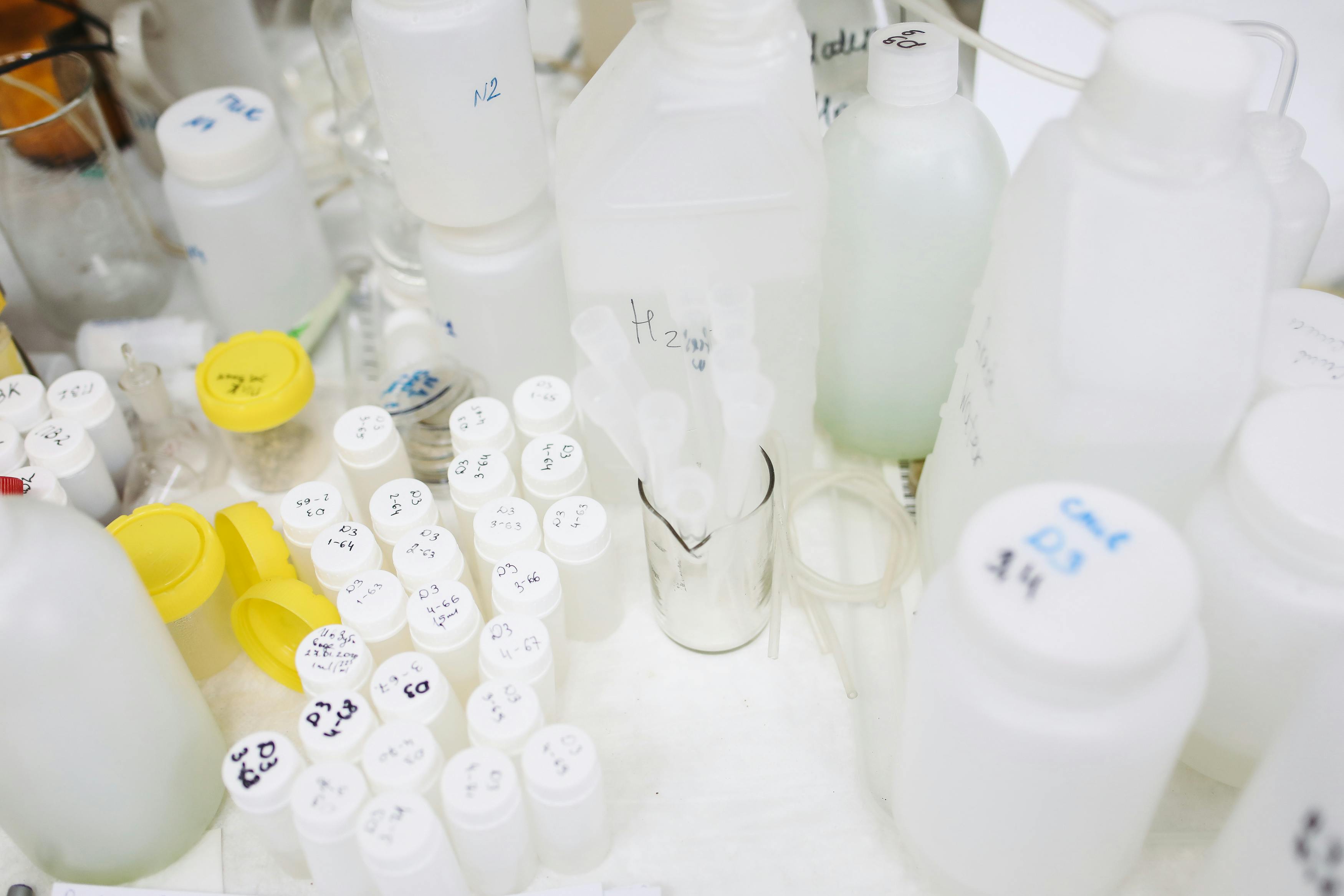
Photo by Polina Tankilevitch on Pexels
What Are Chemical Reagents?
A chemical reagent is a substance used to cause, support, or detect a chemical reaction or analytical process. Reagents can be supplied in different grades and specifications depending on their intended use, including Laboratory Grade, Reagent Grade, ACS Grade, USP/NF Grade, HPLC Grade, and other application-specific grades.
When selecting a reagent, laboratories should consider purity, impurity profile, required grade, application, storage requirements, safety information, batch documentation, and regulatory requirements. Selecting the correct reagent is therefore an important part of experimental planning.
Common Types of Laboratory Reagents
Laboratories use a wide range of chemical reagents. While specific requirements vary by research field, several categories are frequently encountered:
| Reagent Type | Common Laboratory Application | Primary Purpose |
|---|---|---|
| Acids | pH adjustment and reactions | Controls acidity |
| Bases | Neutralization and pH control | Controls alkalinity |
| Solvents | Dissolution and extraction | Dissolves or separates compounds |
| Salts | Buffer and solution preparation | Controls ionic conditions |
| Indicators | Chemical testing | Detects chemical changes |
| Oxidizing Agents | Chemical reactions | Promotes oxidation |
| Reducing Agents | Chemical reactions | Promotes reduction |
| Buffers | Biological and chemical research | Maintains stable pH |
| Specialty Reagents | Research and analysis | Supports specific methods |
Acids and Bases
Acids and bases are among the most widely used reagents in laboratories. They are used in chemical reactions, neutralization, sample preparation, titration, and pH adjustment. The required concentration and grade depend on the specific procedure — analytical work may require tightly controlled impurity specifications, while general laboratory tasks may use a less specialized grade.
Laboratory Solvents
Solvents are essential for dissolving, extracting, separating, and preparing chemical samples across organic synthesis, chromatography, sample preparation, recrystallization, and equipment cleaning. Common laboratory solvents include alcohols, ketones, hydrocarbons, ethers, and other organic solvents. For sensitive analytical applications, specialized solvent grades may be required — HPLC-grade solvents, for example, are designed for chromatographic applications where impurities or background absorbance can affect analytical performance.
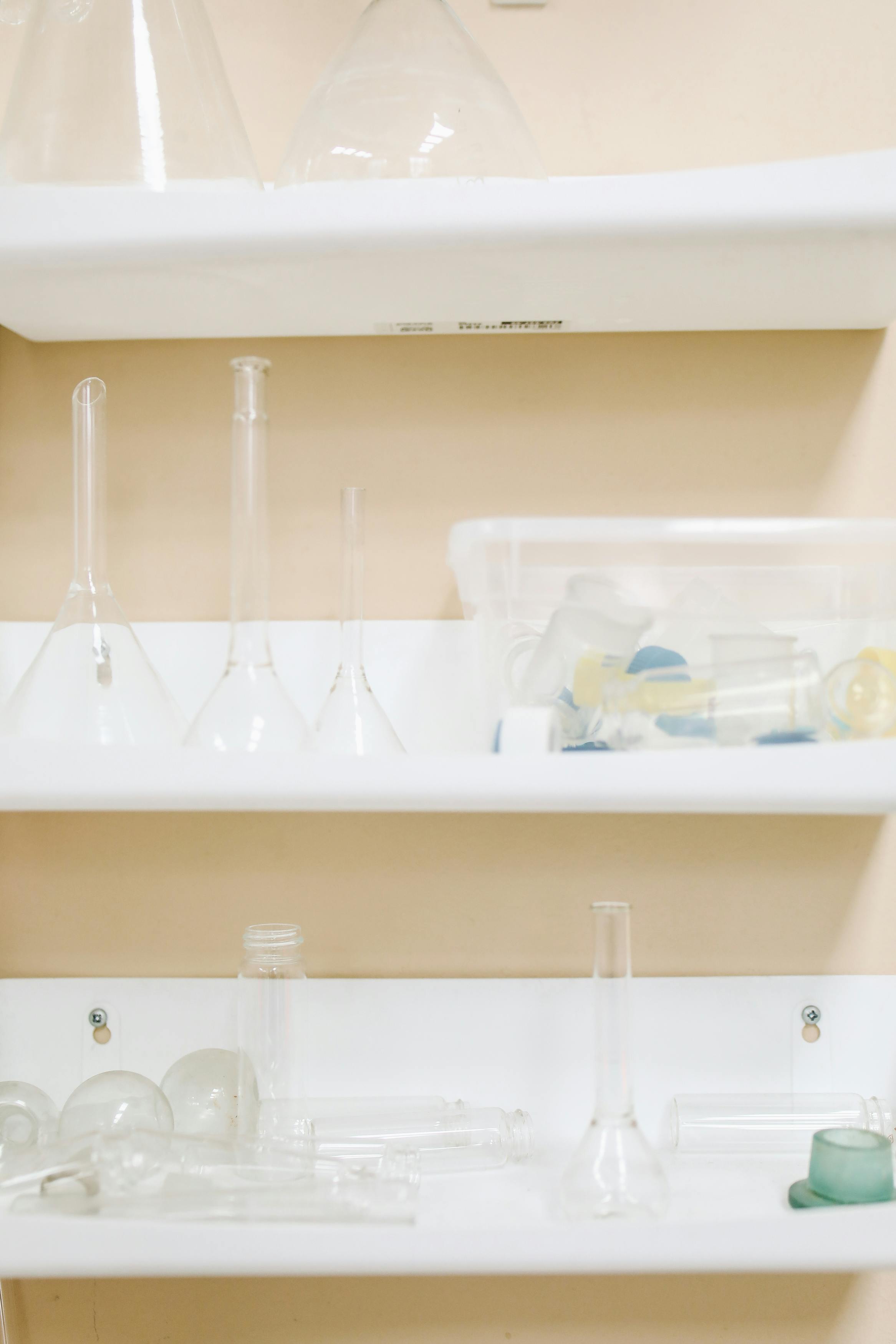
Photo by Polina Tankilevitch on Pexels
Salts and Buffer Components
Salts are used throughout chemical, biological, pharmaceutical, and analytical research to prepare buffer solutions, control ionic strength, maintain experimental conditions, prepare calibration solutions, and support chemical reactions. Buffers are particularly important where maintaining a relatively stable pH is necessary, and buffer systems are widely used in biological research, biochemical testing, analytical chemistry, and pharmaceutical research.
Analytical and Indicator Reagents
Analytical reagents are used to identify, measure, or characterize substances during laboratory testing. Indicators can provide visible changes, such as color changes, when specific chemical conditions are reached, making them useful for titration and qualitative chemical testing. For quantitative analytical methods, reagent purity and impurity specifications can be especially important because unwanted components may affect measurements.
Oxidizing and Reducing Agents
Oxidizing and reducing agents are important in many chemical reactions and analytical procedures. Oxidizing agents promote oxidation reactions, while reducing agents promote reduction reactions, and selection depends on the reaction chemistry and desired experimental outcome. Because these reagents can have significant chemical reactivity, laboratories should consider both product specifications and appropriate storage and handling requirements.
Specialty Reagents for Research Applications
Some research procedures require chemicals designed for highly specific applications — pharmaceutical research, material science, biochemistry, environmental analysis, food testing, molecular research, and instrumental analysis. These products may have highly controlled impurity limits or application-specific specifications, so for sensitive research, laboratories should review the manufacturer’s technical specifications and confirm that the reagent meets the requirements of the analytical method.
Choosing the Right Reagent Grade
Not every laboratory procedure requires the highest available chemical grade. The correct grade should be selected based on the intended application.
| Application | Potentially Suitable Grade | Key Consideration |
|---|---|---|
| General Laboratory Work | Laboratory Grade | Routine performance |
| Research Chemistry | Reagent Grade | Controlled purity |
| Analytical Testing | ACS / Analytical Grade | Defined impurity limits |
| Pharmaceutical Applications | USP/NF or applicable grade | Compendial requirements |
| HPLC Analysis | HPLC Grade | Low analytical interference |
| LC-MS Analysis | LC-MS Grade | Low background and impurities |
This table is a general guide. Laboratories should always follow the requirements of their specific test method, instrument, research protocol, or regulatory standard.
Benefits of High-Quality Laboratory Reagents
Selecting reliable chemical reagents provides several benefits for research laboratories: improved experimental accuracy, since controlled specifications help minimize unwanted variables; better reproducibility between experiments and across batches; reduced analytical interference for sensitive techniques; improved laboratory efficiency through fewer failed experiments and less repeat testing; stronger quality control from consistent specifications and batch documentation; and regulatory support, since appropriate documentation helps demonstrate that materials meet required specifications.
Risks of Using Low-Quality Reagents
Using an unsuitable or inconsistent reagent can create significant problems in laboratory research, including experimental variability, unexpected chemical reactions, analytical interference, contamination, poor reproducibility, instrument contamination, repeated testing, increased laboratory costs, and delayed research projects. For sensitive research, even relatively small amounts of impurities can influence the outcome of an experiment.
How to Choose the Right Chemical Supplier
A dependable supplier should provide more than just the chemical product. Laboratories should evaluate the supplier’s quality systems, documentation, product range, technical support, and supply reliability.
| Evaluation Criteria | Why It Matters |
|---|---|
| Product Purity | Supports reliable research |
| Grade Availability | Matches reagents to applications |
| Certificate of Analysis | Provides batch-specific information |
| Safety Data Sheet | Supports safe handling |
| Product Specifications | Helps verify suitability |
| Lot Traceability | Supports quality management |
| Reliable Inventory | Reduces research interruptions |
| Technical Support | Helps with product selection |
| Packaging Quality | Helps maintain product integrity |
A supplier with experience in laboratory and specialty chemicals can help researchers identify products that match their technical requirements.
Future Trends in Laboratory Reagents
Laboratory research continues to become more analytical, automated, and sensitive, increasing the importance of reagent quality and consistency. Modern analytical instruments can detect increasingly small quantities of compounds and contaminants, driving greater demand for high-purity reagents with controlled impurity profiles. Laboratories are also increasingly selecting chemicals based on specific applications rather than using one general grade for every procedure, and both research and regulated laboratories increasingly rely on Certificates of Analysis, batch traceability, and other quality documentation. Consistent availability remains important too, since research projects can be delayed when essential reagents are unavailable or specifications change unexpectedly.
Need chemical reagents for your lab?
Allan Chemical stocks acids, bases, solvents, salts, buffers, and specialty reagents in original sealed manufacturer containers, with a Certificate of Analysis and SDS included on every shipment.
View Lab Reagents at Allan ChemicalOr call (973) 962-4014 | info@allanchem.com
FAQs
What are chemical reagents used for in laboratories?
Chemical reagents are used for reactions, sample preparation, analysis, pH adjustment, extraction, synthesis, detection, and many other research and testing procedures.
What are the most common laboratory reagents?
Common categories include acids, bases, solvents, salts, buffers, indicators, oxidizing agents, reducing agents, and specialty analytical reagents.
Does every laboratory application require high-purity reagents?
No. The appropriate grade depends on the application. Highly sensitive analytical methods may require specialized grades, while routine procedures may not.
What is the difference between reagent grade and analytical grade?
Both are used in laboratory applications, but the exact specifications depend on the supplier and applicable standard. Laboratories should review the product specification and impurity limits rather than relying only on the grade name.
Why are solvents important in laboratory research?
Solvents are used to dissolve substances, prepare samples, perform extractions, support chemical reactions, and enable chromatographic analysis.
What documents should I request from a chemical supplier?
Depending on the application, laboratories may request a Certificate of Analysis, Safety Data Sheet, product specification, lot information, and applicable quality or regulatory documentation.
How can laboratories reduce reagent-related research problems?
Laboratories can reduce risks by selecting the correct chemical grade, checking specifications before use, following appropriate storage conditions, maintaining lot traceability, and working with reliable suppliers.
References
- American Chemical Society — ACS Reagent Chemicals: Specifications and Procedures
- USP — USP–NF Compendial Standards for Drug Substances and Excipients
- Thermo Fisher Scientific — Chromatography (HPLC-Grade) Solvents
This article is for general information and is not regulatory, safety, or formulation advice. Always consult the current official regulations and qualified professionals for your specific application.




Comments are closed