
Supplier relationships directly influence chemical pricing by impacting costs, stability, and supply chain efficiency. Strong partnerships with suppliers can lead to better pricing terms, reduced price fluctuations, and improved risk management. Here’s why these relationships matter:
- Cost Control: Companies with trusted suppliers often secure volume discounts, flexible payment terms, and tailored pricing structures.
- Price Stability: Long-term contracts and joint forecasting help reduce market volatility and ensure predictable pricing.
- Supply Chain Resilience: Reliable suppliers prioritize key partners during shortages or disruptions, maintaining consistent supply.
- Innovation Opportunities: Collaborative efforts with suppliers can lead to cost-saving solutions, such as alternative formulations or process improvements.
In the chemical industry, where raw material costs and regulations are constantly changing, these partnerships are essential for managing procurement challenges effectively. By focusing on trust, communication, and shared goals, businesses can transform supplier relationships into a key advantage for pricing and operational success.
Why You’re a Last-Choice Supplier and What to Do About It?
Supplier Relationships in the Chemical Industry
The chemical industry relies on intricate, global supply chains. Raw materials often pass through multiple countries before reaching their final destination, adding layers of complexity that can heavily impact pricing strategies. Successfully navigating this environment requires a clear understanding of these challenges and building strong supplier partnerships. Let’s dive into the key hurdles and strategies for managing these complex supply chains.
Chemical Supply Chain Challenges
One of the biggest issues facing chemical companies is raw material price volatility. Global energy market fluctuations and geopolitical events can cause dramatic shifts in the cost of oil-derived chemicals, directly affecting procurement expenses. Companies are often forced to adapt their pricing strategies to stay competitive.
Another significant challenge is regulatory compliance. Industries like pharmaceuticals, food, and cosmetics demand rigorous supply chain oversight, requiring detailed documentation, certifications, and tracking. The global nature of chemical supply chains compounds these difficulties, as materials crossing borders are subject to tariffs, trade disputes, and evolving regulations. When disruptions occur, companies without strong supplier relationships may find it difficult to secure alternative sources quickly, leading to delays and higher costs.
Given these complexities, cultivating strong supplier relationships becomes a critical strategy for managing regulatory and market uncertainties.
Elements of Strong Supplier Relationships
In this challenging environment, certain partnership elements stand out as crucial. Collaboration is more than just transactional. It involves sharing market insights, jointly developing new products, and improving processes together. This kind of partnership can lead to cost efficiencies and innovative opportunities that benefit both sides.
Long-term contracts provide stability by securing capacity and predictable pricing. These agreements encourage suppliers to invest in quality, capacity, and specialized capabilities, while buyers gain more consistent pricing and supply reliability.
Joint development initiatives take partnerships to the next level. For example, co-developing new formulations, working on sustainability projects, or using shared data for predictive procurement creates mutual value. These efforts strengthen the relationship beyond standard commercial terms.
"We source specialty chemicals and ingredients you can trust." [1]
Trust and Governance in Supplier Management
Trust and collaboration lay the groundwork for strong supplier relationships, but effective governance ensures these partnerships thrive. Governance involves both formal and informal systems that guide interactions between buyers and suppliers. Clear contracts, regular performance reviews, joint steering committees, and shared key performance indicators (KPIs) are all tools that help align goals, monitor compliance, and resolve issues before they escalate.
At the heart of these partnerships is trust. Suppliers that consistently deliver quality, communicate openly, and demonstrate reliability earn credibility. This is especially critical during disruptions when suppliers must decide which customers to prioritize. Trust fosters better engagement, encouraging suppliers to share sensitive information about capacity constraints, raw material issues, or upcoming price changes. This transparency allows buyers to make informed decisions and adjust their procurement strategies proactively.
The benefits of trust are evident in long-term partnerships. Companies that consistently show honesty and reliability often receive preferential treatment during supply shortages, better pricing, and early access to new products or technologies.
"I have known the owners and done business with Allan Chemical for more than 30 years, and I consider them one of the most honest and credible companies in the chemical business" – herbkimson chemical inc [1]
Transparency in governance is also key to building trust. Providing easy access to specifications, Certificates of Analysis, and Safety Data Sheets reassures partners and customers alike. Meeting specific needs and delivering on promises demonstrates a supplier’s commitment to a genuine partnership, which can lead to expanded business opportunities over time.
Disclaimer: This content is for informational purposes only. Consult official regulations and qualified professionals before making sourcing or formulation decisions.
How Supplier Relationships Impact Chemical Pricing
Building on earlier discussions about challenges and collaboration benefits, let’s delve into how supplier relationships directly affect chemical pricing. Companies that cultivate strong supplier partnerships often see tangible pricing advantages. These include better negotiation outcomes, reduced price fluctuations, and creative cost-saving opportunities. In essence, these relationships shift procurement from a transactional activity to a strategic asset that can significantly impact profitability. Strong partnerships not only lead to cost savings but also help stabilize market pricing.
Better Pricing and Cost Savings
Close supplier relationships open the door to pricing mechanisms that deliver immediate financial benefits. One clear example is volume discounts, where suppliers offer lower rates to trusted partners who commit to larger or long-term purchases. Additionally, these partnerships streamline negotiation processes, cutting down administrative costs and freeing up procurement teams to focus on higher-level strategies instead of repetitive bargaining.
Research highlights that up to 86% of settlement price variation in chemical negotiations is influenced by the quality of the buyer-supplier relationship [2]. This statistic underscores how trust and collaboration can directly translate to better pricing.
Suppliers are also more likely to provide flexible payment terms, bulk purchasing options, and tailored pricing structures to reliable partners. These arrangements often include performance incentives and price adjustment clauses that benefit both parties. For instance, in 2024, Allan Chemical Corporation leveraged strong supplier ties to sustain competitive pricing and ensure just-in-time delivery for regulated industries, even as tariffs drove up costs across the market.
Streamlined procurement processes further reduce administrative overhead and enhance operational efficiency, adding another layer of cost savings.
Price Stability and Risk Management
Beyond immediate cost benefits, strong supplier relationships play a critical role in stabilizing prices in an often-volatile market. Long-term contracts negotiated through these relationships provide predictable pricing structures, which are invaluable for budget planning and cost forecasting. Many of these agreements include price adjustment clauses that distribute risk between buyers and suppliers, helping to avoid sudden cost increases that could disrupt operations.
Joint forecasting is another tool that strengthens price stability. When suppliers and buyers share market data and demand projections, both parties can anticipate changes and adapt their strategies accordingly. This collaborative approach optimizes inventory management, reducing the need for expensive last-minute purchases during supply shortages.
The recent wave of tariffs has further highlighted the importance of strong supplier partnerships in mitigating pricing volatility [6]. Companies with established relationships were better positioned to navigate these challenges through alternative sourcing and shared risk strategies.
During supply chain disruptions, trusted suppliers often prioritize their key partners, ensuring more stable pricing and consistent supply. This preferential treatment becomes crucial when raw material shortages or geopolitical events strain the industry.
Shared Innovation and Value Engineering
Supplier relationships go beyond pricing and extend into shared innovation, which adds value through collaborative problem-solving. By combining technical expertise and market insights, suppliers and buyers can identify opportunities for value engineering – efforts that reduce costs while maintaining or improving product quality. These initiatives often focus on material substitution, process optimization, and new product development.
Co-development projects are another way these partnerships create mutual value. Suppliers and buyers invest in research and development together, sharing both costs and the benefits of innovation. This approach frequently results in proprietary solutions that offer competitive advantages and long-term savings.
Given the complexity of the chemical industry, shared innovation is especially impactful. Suppliers with deep technical expertise can suggest alternative formulations or methods to lower raw material costs or improve efficiency. Buyers, on the other hand, contribute insights into market needs and application requirements, ensuring that development efforts align with commercial goals.
Additionally, value engineering often supports sustainability objectives, which are becoming increasingly influential in procurement decisions. Joint projects aimed at reducing environmental impact can uncover cost-saving opportunities, such as waste reduction, energy efficiency improvements, and circular economy practices that benefit both partners financially and environmentally.
Disclaimer: This content is for informational purposes only. Always consult official regulations and qualified professionals before making sourcing or formulation decisions.
sbb-itb-aa4586a
Cost Management Benefits of Supplier Collaboration
Working closely with suppliers can significantly cut costs by encouraging joint problem-solving, sharing innovative ideas, and adopting strategic sourcing practices. These efforts not only improve quality but also lead to measurable savings [4]. Additionally, supplier collaboration reduces procurement risks and boosts supplier performance through development programs, creating a solid foundation for managing costs effectively over time.
The financial benefits of these partnerships become even more apparent during times of market pressure. For example, e-auction methods have enabled chemical companies to achieve price reductions of 30% or more from their existing suppliers [3]. Companies can keep track of these improvements by monitoring key metrics such as procurement cycle times, audit costs, inventory turnover rates, and total cost of ownership [4][5].
Simplified Procurement Processes
Transparent relationships with suppliers can make procurement much more efficient. By cutting down on audit and oversight costs, these partnerships reduce administrative burdens and speed up procurement cycles [4]. This openness also uncovers opportunities to save money while minimizing hidden fees or unexpected expenses [3]. For instance, clean-sheet cost models provide clear visibility into actual production costs, enabling transparent negotiations and collaborative cost-cutting measures [3].
Transparency is a game-changer here. When both parties share critical data – such as production costs or supply chain limitations – it becomes easier to streamline procurement. This allows teams to shift their focus from repetitive administrative tasks to more strategic, high-value activities, unlocking additional savings through better resource allocation. These streamlined processes also create the perfect environment for balancing lean inventory practices with supply chain resilience.
Balancing Lean Inventory and Resilience
Beyond procurement efficiency, supplier collaboration plays a key role in managing inventory. These partnerships make it possible to maintain lean, just-in-time inventory systems without sacrificing resilience [4]. By sharing demand forecasts and production schedules, suppliers can better anticipate needs, respond quickly to disruptions, and ensure supply continuity while keeping inventory levels efficient [4].
Recent challenges in the chemical industry have underscored the importance of this balance. With U.S. tariffs predicted to increase chemical prices by $18 billion [10] and freight costs for essential chemicals like monoethylene glycol and ethanol rising between 170-228% [6], companies are turning to advanced inventory planning systems. Strategic stock placement has become critical for minimizing exposure to these rising costs [7].
Take Allan Chemical Corporation as an example. Their strategic supplier partnerships enable just-in-time delivery while maintaining cost efficiency in highly regulated industries. By prioritizing sourcing strategies, they help clients simplify procurement and keep supply chains resilient – even during volatile market conditions.
| Cost Impact Category | Description | Management Approach |
|---|---|---|
| Direct operational costs | Material and logistics expenses | Strategic sourcing and volume optimization |
| Administrative expenses | Costs for documentation and compliance | Improved collaborative systems and streamlined processes |
| Working capital impacts | Inventory needs and cash flow management | Advanced planning and shared forecasting |
Collaborative supplier relationships also allow for flexible contract terms, which take into account fluctuations in input costs. This minimizes the need for price buffers and stabilizes pricing, helping companies manage chemical price volatility more effectively [3]. Joint risk management strategies, like shared contingency planning, further enhance supply chain resilience while keeping costs under control [4].
To succeed, businesses must maintain strong supplier relationships while exploring alternative sourcing options for flexibility in changing conditions [7]. Adjusting product specifications or grades can yield considerable savings, but it’s essential to evaluate the total cost of ownership rather than focusing solely on the lowest price [3].
Disclaimer: This content is for informational purposes only. Always consult official regulations and qualified professionals before making sourcing or formulation decisions.
Best Practices for Building Strong Supplier Relationships
Developing strong supplier partnerships is about more than just transactions – it’s about building trust, ensuring transparency, and creating opportunities for mutual success. Companies that prioritize these relationships often enjoy better pricing, stronger supply chain resilience, and improved operational efficiency. The goal is to turn routine procurement into a strategic advantage.
Actionable Practices for Strong Partnerships
One of the most effective ways to strengthen supplier relationships is by conducting regular performance reviews. These reviews help set clear expectations, monitor key performance indicators (KPIs), and provide actionable feedback. Metrics like on-time delivery rates, quality performance, cost savings, and contributions to innovation are critical in assessing the health of these partnerships and identifying areas for improvement.
Supplier development programs are another vital strategy. By helping suppliers enhance their capabilities, improve quality control, and meet compliance standards, companies not only reduce procurement risks but also create a more resilient supply chain. For industries with strict regulations, this approach can be a game-changer, ensuring both quality and compliance while often securing better pricing.
Sustainability is becoming a major factor in supplier relationships. Businesses are increasingly favoring suppliers who prioritize green chemistry, waste reduction, and energy efficiency. These shared sustainability goals not only help meet regulatory requirements but also reduce environmental impact, open doors to new markets, and encourage cost-effective innovations.
Clear and transparent communication is essential. Sharing business goals, market updates, and performance feedback helps avoid misunderstandings and fosters collaboration. Strong communication builds trust and paves the way for more effective partnerships.
Finally, segmenting suppliers based on their strategic importance and risk allows companies to allocate resources efficiently. High-value suppliers may require more attention and oversight, while less critical suppliers can be managed with fewer interactions. This ensures that efforts are concentrated where they matter most.
Example: Allan Chemical Corporation
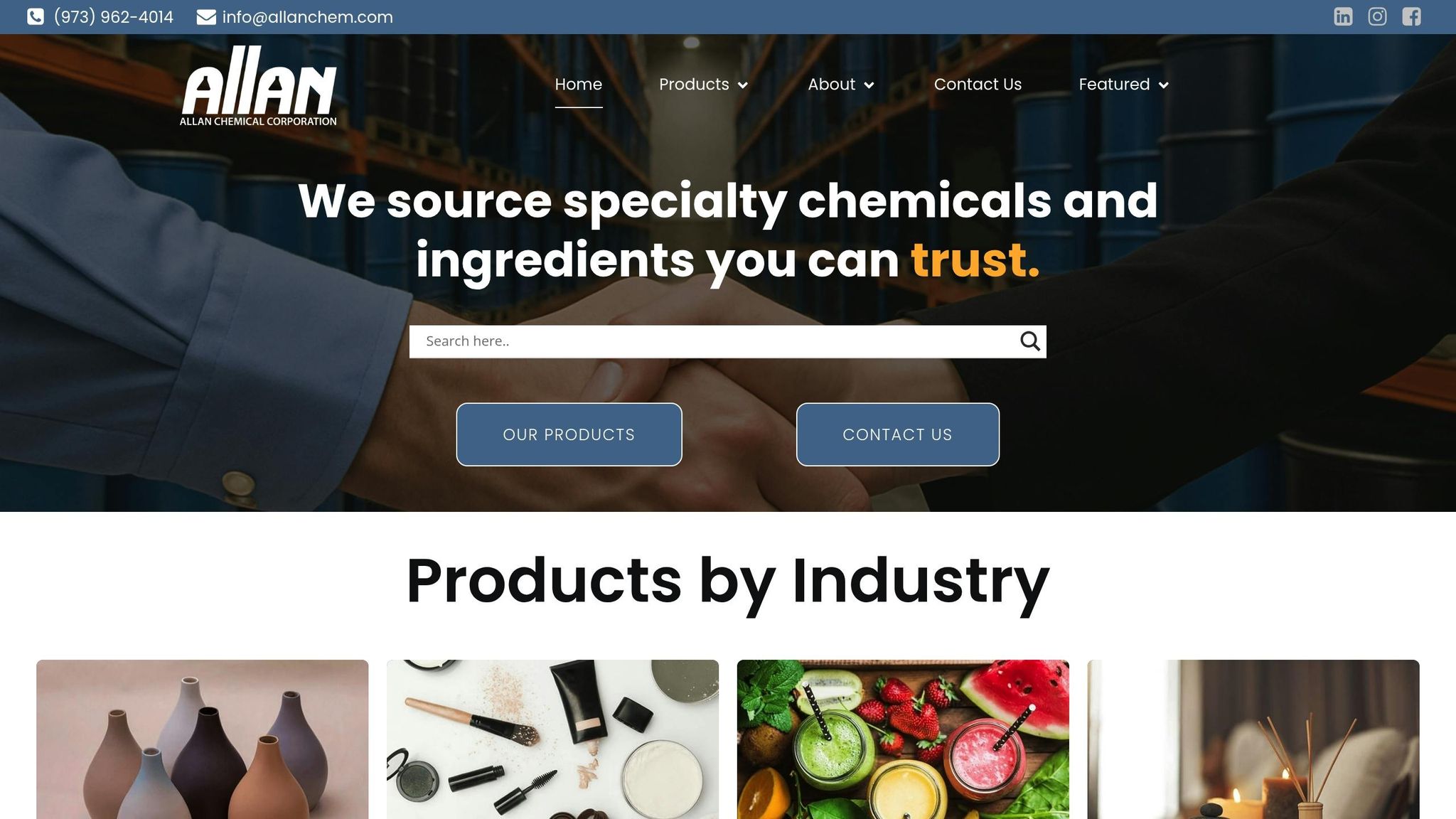
Allan Chemical Corporation provides a powerful example of how to excel in supplier relationship management. With over four decades of experience, the company has built a reputation for leveraging strong supplier partnerships to deliver just-in-time solutions and competitive pricing across industries like pharmaceuticals, food, cosmetics, ceramics, and electronics.
Their approach includes regular supplier assessments to maintain quality and compliance, especially in regulated sectors. These evaluations help identify potential issues early, ensuring that customer needs are met without disruptions. Additionally, Allan Chemical Corporation emphasizes collaborative problem-solving, working closely with suppliers to address challenges and improve processes.
One of their standout strategies is maintaining direct relationships with carefully vetted manufacturers. This sourcing-first approach allows them to respond quickly to customer demands while ensuring consistent quality and competitive pricing. During periods of market disruption, this strategy has proven invaluable, enabling them to maintain stable supply chains when others faced shortages.
The company’s long-term focus on partnerships over one-off transactions demonstrates their understanding of the value created through sustained collaboration. This philosophy enables them to offer more than just products – they provide technical support, documentation help, and usage guidance, creating a more comprehensive service experience.
Transactional vs. Collaborative Relationships
Choosing between transactional and collaborative supplier relationships can significantly influence cost management, adaptability, and risk exposure. Here’s a closer look at how these approaches differ:
| Aspect | Transactional Relationships | Collaborative Relationships |
|---|---|---|
| Cost Impact | Lower short-term costs but higher long-term expenses due to lack of collaboration | Higher initial investment with greater long-term savings through shared efficiencies |
| Flexibility | Limited flexibility with rigid contracts | High flexibility through adaptable agreements and joint problem-solving |
| Risk Management | Higher risk due to limited visibility and reactive strategies | Reduced risk through shared insights and proactive planning |
| Innovation | Minimal opportunities for joint innovation | Encourages shared development of new solutions and improvements |
| Communication | Basic, limited to order placement and service issues | Regular strategic discussions and performance evaluations |
| Contract Terms | Fixed pricing with little room for adjustments | Flexible terms that adapt to market changes and shared cost management |
Collaborative relationships shine during periods of market volatility. Companies with these partnerships tend to outperform competitors by implementing price changes more effectively and responding to market shifts with greater agility. These relationships also support dual sourcing and supplier diversification, reducing reliance on single suppliers and minimizing risks.
In industries like chemicals, where global supply chains are particularly vulnerable, collaborative relationships provide the flexibility, innovation, and resilience needed to stay competitive. By balancing supplier diversification with strong collaboration, companies can optimize costs while ensuring supply security – a critical advantage in today’s unpredictable market.
Disclaimer: This content is for informational purposes only. Consult official regulations and qualified professionals before making sourcing or formulation decisions.
Conclusion: The Value of Supplier Relationships
As highlighted earlier, building strong supplier relationships is not just a good practice – it’s a critical factor for success in the chemical industry. Research indicates that companies prioritizing collaboration with suppliers often enjoy better pricing, higher profit margins, and faster responses to market changes [8]. Effective supplier relationship management can lower procurement costs by as much as 20% and boost supply chain reliability by up to 30% [7][9].
Recent disruptions in global markets have underscored the importance of these partnerships. Solid supplier relationships help businesses navigate supply chain challenges and manage price fluctuations more effectively.
The industry is also moving toward predictive procurement and digital tools for supplier management. These advancements go beyond traditional cost-cutting measures, enabling dynamic pricing models and collaborative innovations that create mutual value [11]. To thrive, companies must shift their view of suppliers from being just vendors to becoming strategic partners.
For professionals in the chemical industry, the way forward is clear: prioritize supplier relationship management. This includes categorizing suppliers by their strategic value, cultivating long-term partnerships with key players, and adopting dual sourcing strategies to minimize risks tied to supplier concentration [5]. Failing to make these adjustments could lead to higher costs, operational inefficiencies, and a weakened competitive position in an increasingly unpredictable market [12]. Taking these steps lays the groundwork for stronger procurement strategies in the future.
Strong supplier relationships are no longer optional – they are essential. The real question isn’t whether to invest in these relationships, but how quickly companies can adapt their procurement strategies to seize the benefits. These findings reinforce the idea that proactive supplier relationship management is a cornerstone of long-term success in the industry.
Disclaimer: This content is for informational purposes only. Consult official regulations and qualified professionals before making sourcing or formulation decisions.
FAQs
How do strong supplier relationships influence chemical pricing strategies?
Building strong relationships with suppliers is a key factor in determining chemical pricing strategies. When companies establish trust and collaboration with their suppliers, they’re often able to negotiate more favorable pricing, maintain consistent product quality, and take advantage of just-in-time delivery. This approach not only helps cut down on inventory costs but also boosts overall operational efficiency.
For more than 40 years, Allan Chemical Corporation has shown how valuable these partnerships can be. By prioritizing reliability and maintaining robust supplier networks, they consistently deliver high-quality chemical solutions at competitive prices. This commitment has made them a trusted partner for industries like pharmaceuticals, food, and electronics, where precision and strict compliance are essential.
How can chemical companies foster strong, trust-based relationships with their suppliers?
Building meaningful, trust-driven relationships with suppliers hinges on open communication, mutual respect, and aligning on shared objectives. Chemical companies can achieve this by maintaining transparency in their transactions, honoring payment schedules, and working together on strategies that deliver benefits to both sides.
Allan Chemical Corporation exemplifies these values by prioritizing just-in-time delivery, offering fair pricing, and delivering high-quality solutions. With a legacy spanning over 40 years, they have built strong partnerships that allow them to consistently support the demands of regulated industries, ensuring dependable service and customer satisfaction.
How do global events and regulations impact supplier relationships in the chemical industry?
Global events like geopolitical changes and new regulations can have a major impact on supplier relationships within the chemical industry. These shifts often disrupt the availability of raw materials, alter pricing dynamics, and challenge the stability of supply chains.
With more than 40 years of experience, Allan Chemical Corporation understands the importance of building and maintaining strong supplier partnerships to tackle these challenges. These trusted relationships allow them to secure reliable access to high-quality chemicals, maintain competitive pricing, and provide dependable just-in-time delivery – key advantages in an industry where conditions can change quickly.




Comments are closed