
Chemical non-compliance can cripple businesses with fines, legal fees, and reputational damage. Regulatory agencies like the EPA and DEA enforce strict rules for chemical manufacturing, distribution, and reporting. Violations – such as failing to meet reporting deadlines or improper labeling – can result in fines reaching millions of dollars, production shutdowns, and even criminal penalties for executives.
Key points to avoid these risks include:
- Understanding U.S. regulations: TSCA (EPA), Controlled Substances Act (DEA), and FIFRA (pesticides).
- Common violations: Missing reporting deadlines (e.g., PFAS data), improper labeling, and unsafe practices.
- Penalties: PFAS violations can cost $50,000 daily; OSHA fines for safety breaches exceed $15,000 per violation.
Partnering with knowledgeable suppliers and maintaining robust compliance systems are essential steps to safeguard your business from these risks.
Compliance Made Simple: AI Simplifies Complex Chemical Regulations! Part 1 #ai #viral #trending
U.S. Regulatory Frameworks for Chemical Compliance
The United States enforces strict federal standards for chemical distribution, making it essential for companies to understand these regulations to avoid costly penalties. Familiarity with these frameworks, each with its own reporting and enforcement mechanisms, is critical to reducing the risk of non-compliance.
Environmental Protection Agency (EPA) and TSCA
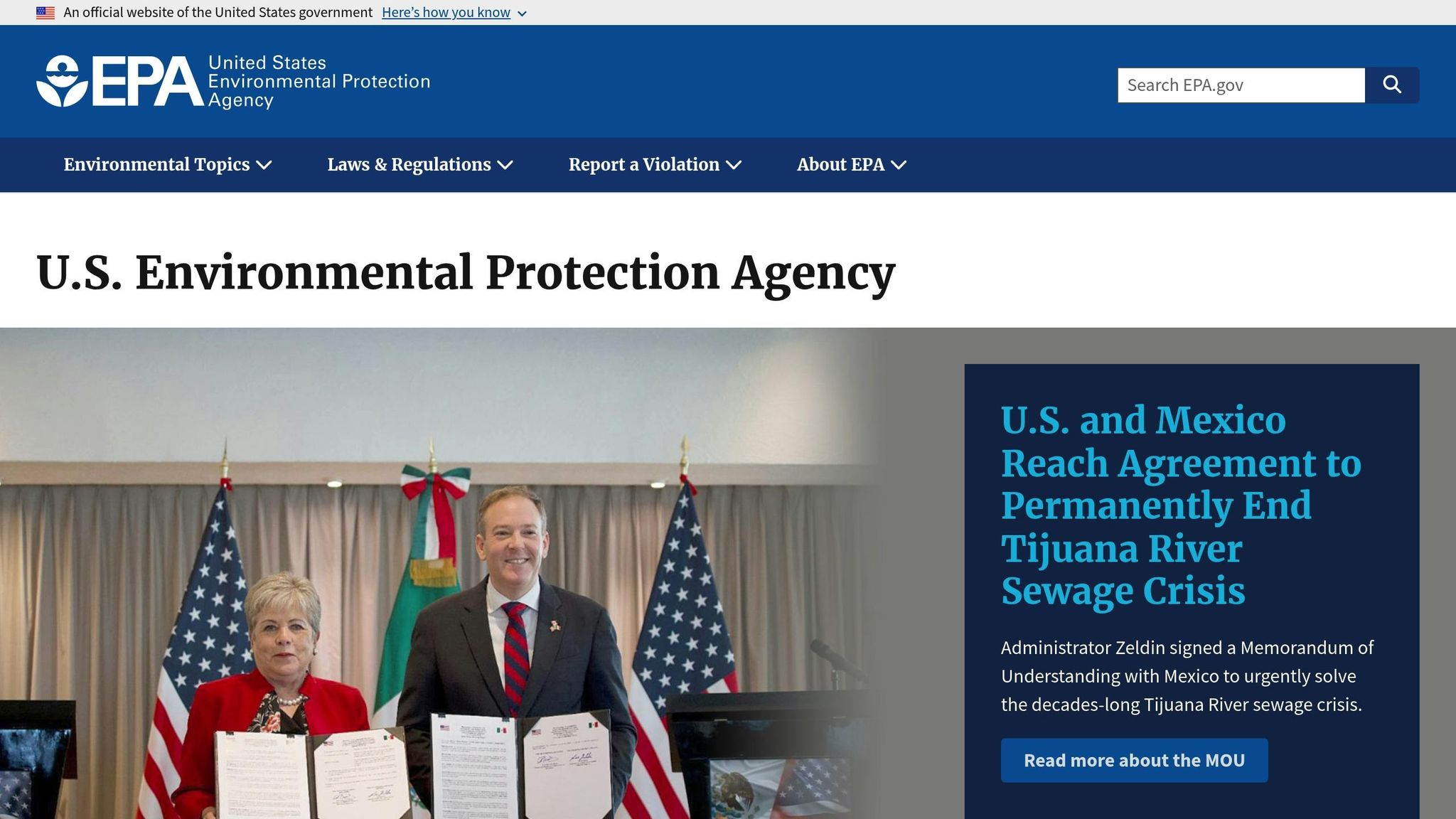
The Toxic Substances Control Act (TSCA) is the cornerstone of U.S. chemical regulation. It requires the EPA to maintain an inventory of chemical substances used in the country. Companies involved in manufacturing, importing, or processing chemicals must comply with detailed reporting and recordkeeping requirements.
For chemicals not yet listed on the TSCA inventory, companies must submit a pre-manufacture notification (PMN) that outlines the chemical’s identity, intended use, production volume, and potential hazards. The EPA may request further data, which could extend the review process.
Additionally, manufacturers and importers are required to periodically report production volumes and usage data under Chemical Data Reporting (CDR) rules. Section 8(e) of TSCA mandates immediate reporting of any new information suggesting significant risks to public health or the environment. Failing to report can result in severe penalties.
Next, let’s explore the DEA’s role in regulating chemicals with potential for misuse.
Drug Enforcement Administration (DEA) Oversight
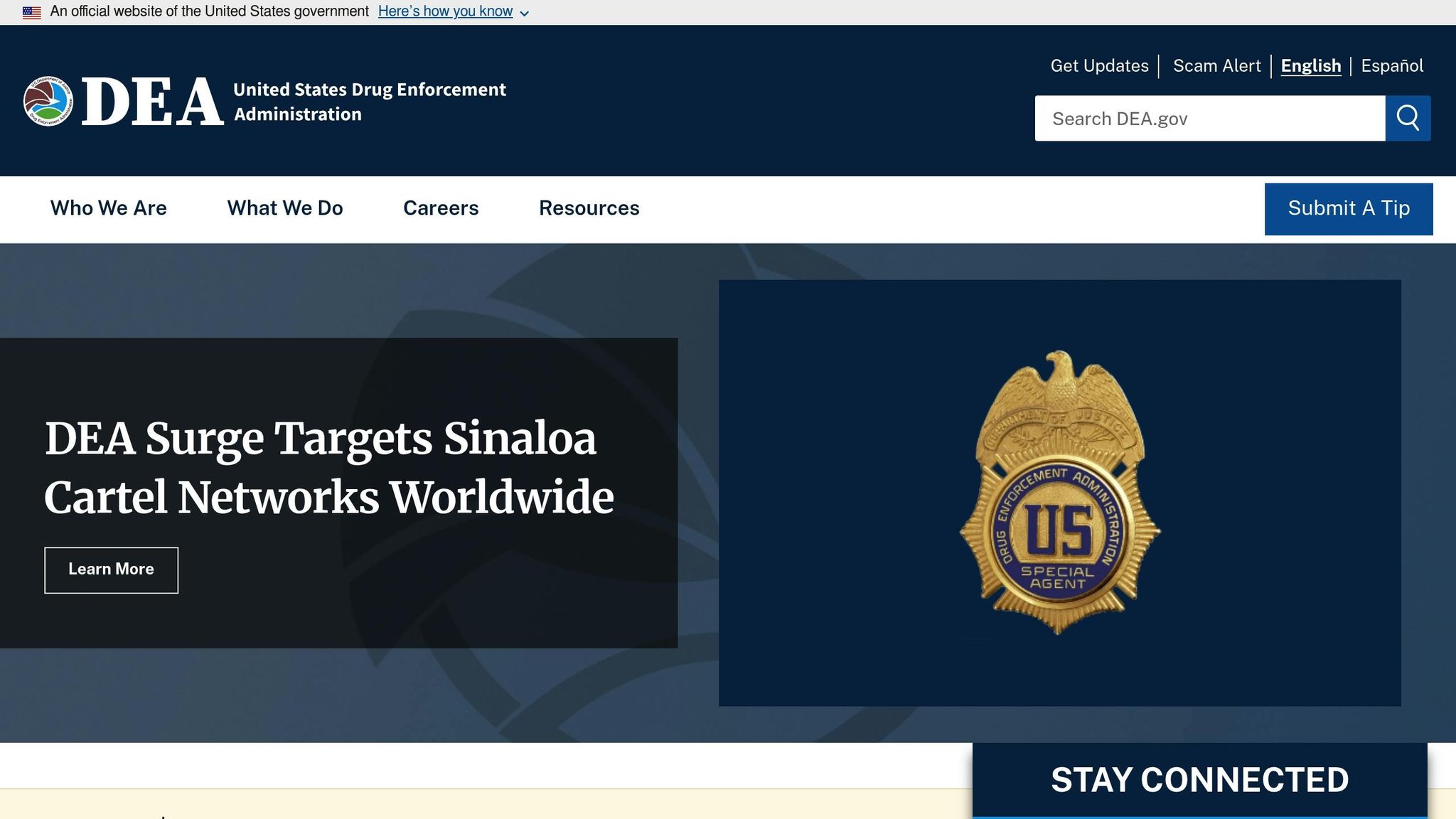
The DEA regulates listed chemicals under the Controlled Substances Act, focusing on preventing their diversion for illicit use. Companies dealing with these chemicals must register with the DEA and maintain detailed transaction records. Distributors are also required to report transactions that exceed certain thresholds and implement systems to detect unusual purchase patterns.
Registration requirements differ based on the type of activity – whether manufacturing, distributing, importing, or exporting – and fees vary accordingly. These measures ensure that potentially abused chemicals are closely monitored.
Now, let’s examine how FIFRA governs pesticides and antimicrobial products.
Federal Insecticide, Fungicide, and Rodenticide Act (FIFRA)
FIFRA regulates the registration, distribution, and use of pesticides and antimicrobial products. Even chemicals not primarily designed as pesticides can fall under FIFRA if they include antimicrobial claims or are used in pest control applications.
Under FIFRA, pesticide products must be registered with the EPA. This process involves submitting extensive data on the product’s efficacy, environmental impact, and toxicology. Registration fees can range from relatively low amounts for minor uses to much higher fees for new active ingredients requiring comprehensive data submissions.
Compliance with FIFRA also extends to product labeling, which must include signal words, precautionary statements, usage directions, EPA registration numbers, active ingredient percentages, and approved application sites. Any deviations from approved labeling can result in stop-sale orders and financial penalties.
Facilities producing pesticides must also register annually with the EPA and pay fees based on their production volume.
Navigating these complex regulations can be challenging. Suppliers with regulatory expertise, such as Allan Chemical Corporation, can provide valuable guidance to ensure chemical sourcing aligns with current legal requirements.
Disclaimer: This information is for educational purposes only. Always consult official regulations and qualified professionals for specific compliance advice.
Common Non-Compliance Issues and Financial Penalties
Chemical companies face serious financial risks when they fail to meet regulatory standards. Recognizing the most frequent violations and their associated costs highlights the importance of maintaining compliance to avoid these pitfalls.
Frequent Non-Compliance Issues
One of the primary challenges in chemical distribution is inadequate reporting. For example, the Toxic Substances Control Act (TSCA) requires periodic reporting of production volumes. Missing TSCA Chemical Data Reporting (CDR) deadlines or submitting incomplete information can lead to fines and enforcement actions.
Another major issue revolves around PFAS reporting violations. Companies involved in manufacturing, importing, or processing per- and polyfluoroalkyl substances (PFAS) are required to report detailed information, including chemical identities, uses, and production volumes. Failing to meet these requirements can result in significant financial consequences.
Penalties for Non-Compliance
Regulatory fines for non-compliance can escalate quickly. The Environmental Protection Agency (EPA) uses the BEN model to calculate fines based on the economic benefit a company gains by delaying or avoiding compliance-related expenses. In 2025, the agency updated this model to reflect current economic conditions by switching from the Plant Cost Index (PCI) to the Producer Price Index (PPI) [1].
PFAS-related violations are particularly costly, with daily fines reaching up to $50,000 [2].
Workplace safety violations are also expensive. In 2023, the Occupational Safety and Health Administration (OSHA) increased maximum penalties for serious violations from $14,502 to $15,625. Repeated offenses can now result in fines as high as $156,259 [4]. These increases highlight OSHA’s focus on deterring unsafe practices.
Environmental violations under the Superfund program can be even more severe. Penalties, which adjust annually for inflation, may include treble damages – allowing the EPA to recover up to three times its cleanup costs from non-compliant companies [3]. This makes environmental infractions some of the most financially damaging.
One striking example occurred in 2022, when a U.S. manufacturing company was fined approximately $8 million for repeated air and water emission violations. In addition to corporate penalties, several senior managers received prison sentences ranging from 6 to 70 months, underscoring the personal risks tied to non-compliance [4].
To ensure penalties are fair yet impactful, the EPA employs models like ABEL, INDIPAY, and MUNIPAY to assess a company’s ability to pay. These tools ensure fines are both collectible and significant enough to offset any financial advantage gained through non-compliance [1]. Larger organizations often face steeper penalties than smaller businesses for similar violations.
Partnering with experienced suppliers, such as Allan Chemical Corporation, can help companies avoid these costly mistakes. They provide critical support with documentation, regulatory guidance, and adherence to current compliance standards.
Disclaimer at end of every blog: This content is for informational purposes only. Consult official regulations and qualified professionals before making sourcing or formulation decisions.
sbb-itb-aa4586a
Examples of Enforcement Actions
Enforcement cases reveal the serious consequences businesses can face when they fail to comply with chemical regulations. Agencies like the Environmental Protection Agency (EPA) have intensified efforts to ensure that manufacturers and distributors meet strict standards for product registration, proper labeling, and accurate recordkeeping. These cases highlight why prioritizing compliance is essential before considering preventive measures.
EPA Enforcement Trends
The EPA has recently concentrated its enforcement efforts on high-risk violations, particularly in the areas of antimicrobial and pesticide products. The agency has shown a strong focus on repeat offenders, emphasizing that ongoing non-compliance can result in hefty financial penalties and significant disruptions to operations. This approach underlines the importance of following regulatory requirements to protect both public health and the environment.
Examples of Business Impacts
Non-compliance has led to severe repercussions, including large fines, production shutdowns, and product recalls. These enforcement actions serve as a stark reminder of the importance of implementing proactive compliance strategies in chemical distribution.
Working with knowledgeable suppliers, such as Allan Chemical Corporation, can provide valuable regulatory support. Their dedication to quality and strict compliance with regulations helps reduce the risks associated with non-compliance. Incorporating these practices into your compliance strategy can help safeguard your business from similar challenges.
Disclaimer: This content is for informational purposes only. Always consult official regulations and qualified professionals before making sourcing or formulation decisions.
Preventing Non-Compliance: Steps for Businesses
Avoiding the financial penalties tied to regulatory violations requires a proactive approach. Businesses need to build strong systems that safeguard their operations and protect their bottom line from compliance risks. Here’s how to get started:
Implementing Compliance Management Systems
A compliance management system forms the backbone of adherence to chemical regulations. This system should include regular audits, automated regulatory tracking, and thorough documentation to prepare for inspections.
Assigning dedicated staff to monitor updates from agencies like the EPA and DEA is essential. These team members can ensure new regulatory changes are swiftly integrated into operations. Conducting regular internal audits allows businesses to spot and address potential compliance gaps before they become costly violations.
Maintaining detailed records – such as certificates of analysis, safety data sheets, and chain of custody documentation – is equally important. These records not only support compliance efforts but also serve as a safeguard if questions arise during regulatory inspections.
By establishing a strong compliance foundation, businesses are better positioned to explore external partnerships that further reduce risk.
Partnering with Trusted Suppliers
Working with reliable suppliers is a smart way to minimize compliance risks. Suppliers with established quality systems and regulatory expertise can provide the necessary documentation and support to maintain compliance throughout the supply chain.
For example, Allan Chemical Corporation has a proven track record of delivering compendial-grade solutions that meet USP, FCC, ACS, and NF standards. Their technical support team also assists clients with documentation and usage questions, helping businesses navigate complex regulations with confidence.
Trusted suppliers often have direct relationships with vetted manufacturers, ensuring consistent product quality and regulatory compliance. This eliminates many risks associated with sourcing from unverified suppliers, where documentation and quality might fall short. While partnering with reputable suppliers may involve higher upfront costs, this investment often saves businesses from the far greater expense of non-compliance penalties.
Training and Education for Staff
Even the best systems and supplier relationships can fall short without knowledgeable employees. Regular training ensures staff understand compliance requirements and can prevent mistakes that lead to violations.
Training should focus on the specific regulatory responsibilities tied to each employee’s role, such as proper handling procedures, documentation protocols, and emergency response measures. Since regulations are always evolving, training must be ongoing, with updates provided as new requirements emerge.
Additionally, companies should create clear channels for reporting compliance concerns. Encouraging open communication helps identify and resolve issues early, preventing small problems from escalating into major violations that could result in hefty fines or operational setbacks.
Disclaimer: This content is for informational purposes only. Consult official regulations and qualified professionals before making sourcing or formulation decisions.
Conclusion: The Importance of Compliance
Non-compliance can lead to penalties that climb into the millions, making regulatory adherence a necessary safeguard against financial losses and operational disruptions. These protections are woven into every aspect of a company’s operations, ensuring stability and resilience.
The consequences of enforcement actions stretch far beyond fines. Shutdowns, supply chain interruptions, and damage to reputation often result in costs that surpass the initial penalties. This underscores why compliance is a cornerstone of effective business continuity planning.
When approached strategically, compliance management transforms from a cost burden into an opportunity. Companies with strong systems in place can adapt quickly to regulatory updates, maintain smooth operations, and strengthen trust with customers who prioritize dependable partnerships.
Working with seasoned suppliers like Allan Chemical Corporation can further reduce compliance risks. With decades of experience and high-quality, compendial-grade solutions, they simplify the complexities of regulatory requirements, offering businesses a reliable path through challenging landscapes.
By investing in compliance – through effective systems, comprehensive training, and trusted partnerships – businesses can avoid penalties, protect operations, and foster growth. Treating compliance as a strategic priority sets the stage for enduring success in today’s regulatory-driven markets.
Disclaimer: This content is for informational purposes only. Consult official regulations and qualified professionals before making sourcing or formulation decisions.
FAQs
How can businesses avoid costly fines by ensuring compliance with chemical regulations?
To steer clear of hefty fines and stay compliant with chemical regulations in the U.S., businesses need a solid compliance program in place. Key components include regular employee training, keeping precise and up-to-date documentation, and adhering to both federal and state regulations, such as those outlined by TSCA and the EPA.
Taking proactive steps, like scheduling routine compliance audits and performing risk assessments, can uncover potential problems before they escalate. Addressing these gaps early can help companies avoid penalties, which can soar to $50,000 per day for each violation. Additionally, keeping up with regulatory updates is crucial, as the landscape of compliance requirements continues to change.
How can working with experienced chemical suppliers help ensure compliance with U.S. regulations?
Collaborating with seasoned chemical suppliers ensures businesses can meet U.S. regulatory standards while accessing top-grade, compliant materials. These suppliers are well-versed in critical regulations like TSCA (Toxic Substances Control Act), REACH (Registration, Evaluation, Authorization, and Restriction of Chemicals), and RoHS (Restriction of Hazardous Substances), helping you navigate legal requirements and avoid hefty fines.
Partnering with a reliable supplier enhances workplace safety, minimizes compliance risks, and allows you to concentrate on your core business operations. This partnership not only shields your company from potential penalties but also promotes responsible and sustainable chemical management practices.
What legal and financial risks do executives face if their company violates chemical regulations?
Non-compliance with chemical regulations in the U.S. carries serious legal and financial risks for executives. These risks include hefty fines, criminal charges, and even prison time. For instance, penalties can climb as high as $1,000,000 per violation, with prison sentences reaching up to 20 years for the most severe cases.
Laws like the Toxic Substances Control Act (TSCA) also open the door to civil lawsuits, criminal cases, and court-imposed penalties. Beyond the immediate financial strain, such violations can harm a company’s reputation, disrupt daily operations, and weaken trust with both clients and regulatory authorities. Staying up-to-date and compliant is crucial to sidestep these challenges.


Comments are closed