
AT A GLANCE
- Subject: Disodium Ethylenediaminetetraacetic Acid (EDTA), supplied as the dihydrate, C₁₀H₁₄N₂Na₂O₈·2H₂O, Chemical Abstracts Service (CAS) number 6381-92-6, molecular weight 372.24
- What the compound does: Binds metal ions (calcium, magnesium, iron, copper and others), helping formulations resist oxidation and discoloration and helping reactions stay on track
- Grades Allan Chemical lists: American Chemical Society (ACS), United States Pharmacopeia (USP) and Food Chemicals Codex (FCC)
- Uses: Complexometric titration of calcium and magnesium and buffer preparation in the lab (ACS), a chelating-agent excipient in pharmaceutical formulations (USP), and trace iron and copper control in permitted food applications (FCC)
- Hydration state: Dihydrate is 372.24 g/mol; anhydrous (CAS 139-33-3) is 336.21 g/mol, a difference of about 11%
What is Disodium EDTA used for? Disodium EDTA controls trace metals. In a lab, the compound titrates calcium and magnesium and supports sample protection in molecular biology; in pharmaceutical and food formulations, the compound keeps traces of iron and copper from degrading the product. Allan Chemical lists Disodium EDTA in ACS, USP and FCC grades on the EDTA Disodium Salt product page.
IN THIS ARTICLE
- How does Disodium EDTA work?
- What is Disodium EDTA used for?
- Key properties
- Dihydrate or anhydrous: what is the difference?
- Which grade of Disodium EDTA fits which application?
- What buyers often confirm before ordering
- Why buy Disodium EDTA from Allan Chemical?
- Which EDTA salt is on the label?
- Frequently Asked Questions
- References
How does Disodium EDTA work?
EDTA wraps around a metal ion with six binding sites and holds the ion in a stable complex1. The grip varies by metal and by pH: iron and copper are held far more tightly than calcium and magnesium, so a small amount of EDTA can tie up trace iron or copper in a formulation without having to match the calcium and magnesium present.
pH changes the picture. The acidic disodium salt binds calcium and magnesium weakly at lower pH, and the binding strengthens as the solution becomes more basic.
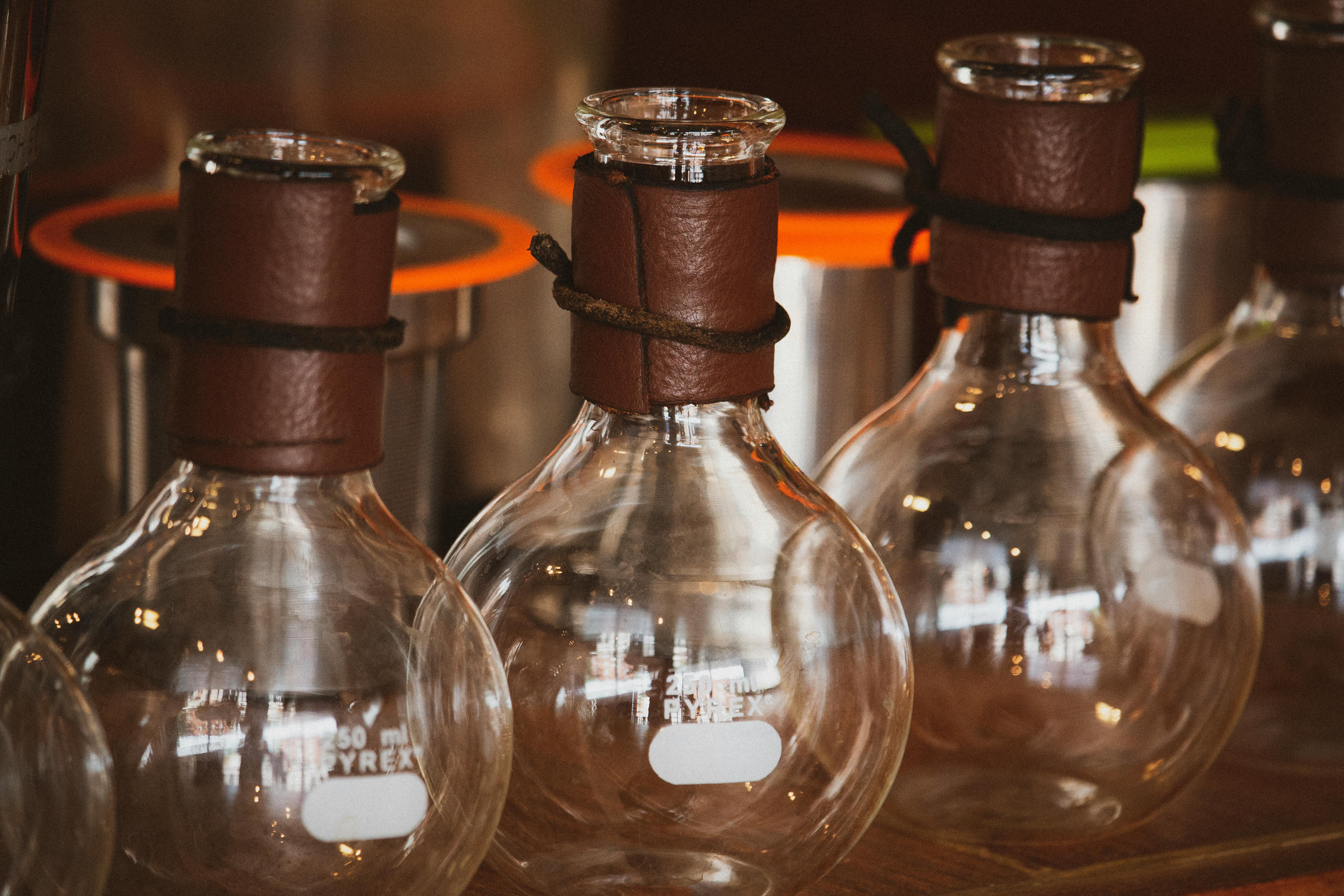
Photo by Jason Villanueva on Pexels
What is Disodium EDTA used for?
Laboratory (ACS grade). Complexometric titration of calcium and magnesium is the classic analytical use. In molecular biology, EDTA is a routine buffer component that binds metal ions so the ions cannot activate enzymes that would degrade a sample1.
Pharmaceutical (USP grade). USP grade suits Disodium EDTA used as a chelating-agent excipient in pharmaceutical formulations. The lot Certificate of Analysis (COA) lets teams compare the lot against the current USP monograph.
Food (FCC grade). FCC grade is the food-industry grade for Disodium EDTA used in permitted food applications, where the assay and heavy-metal results on the COA matter most.
Key properties
| Property | Value |
|---|---|
| Appearance | White crystalline powder |
| Solubility in water | Limited at neutral pH; solubility improves as the pH rises |
| pH of a solution | Mildly acidic; the lot COA reports the value for the grade purchased |

Photo via Pexels
Dihydrate or anhydrous: what is the difference?
| Form | Formula | Molecular weight | CAS |
|---|---|---|---|
| Disodium EDTA dihydrate | C₁₀H₁₄N₂Na₂O₈·2H₂O | 372.24 g/mol | 6381-92-6 |
| Disodium EDTA anhydrous | C₁₀H₁₄N₂Na₂O₈ | 336.21 g/mol | 139-33-3 |
The two forms differ by about 11% in molecular weight, so purchase orders that name the hydration state and the CAS number keep specifications aligned from quote to delivery.
Which grade of Disodium EDTA fits which application?
| Grade | Used for | Checked on the COA |
|---|---|---|
| ACS | Titrations, buffers, analytical and research work | Assay and impurity limits |
| USP | Pharmaceutical formulations | Compliance with the USP monograph for the lot |
| FCC | Permitted food applications | Assay of at least 99% dihydrate and heavy-metal limits |
For chelation-sensitive work, the heavy-metal results deserve a close read, since trace iron or copper in the chelant itself defeats the purpose. A lower grade belongs in a regulated application only when the specification allows. For background on what each grade means, see Understanding Chemical Grades; for related lab materials, browse Laboratory Reagents, Biochemicals, Catalysts & R&D.
What buyers often confirm before ordering
- Hydration state: dihydrate or anhydrous, written into the purchase order.
- Grade: ACS, USP or FCC to match the end use.
- Lot COA: assay, pH of solution and heavy metals.
- Safety Data Sheet (SDS): the current version for the product received.
- Packaging: container sizes that match the pace of use.
Why buy Disodium EDTA from Allan Chemical?
Allan Chemical has sourced chemicals since 1984 and is International Organization for Standardization (ISO) 9001:2015 certified. Material ships in sealed original containers without repackaging, so the lot number on the label stays matched to the lot COA. ACS, USP and FCC grades are available from one source. See how to read a COA and why lot traceability matters.
Which EDTA salt is on the label?
EDTA is sold as several salts, and the name alone does not tell which salt is on the label. Disodium EDTA is CAS 6381-92-6 (dihydrate) or 139-33-3 (anhydrous). Tetrasodium EDTA and Calcium Disodium EDTA are different materials with their own CAS numbers. Matching the CAS number on the specification to the CAS number on the container and the COA keeps orders on track.
Frequently Asked Questions
What is the difference between EDTA disodium dihydrate and anhydrous?
The two forms differ in molecular weight by roughly 11%. The Chemical Abstracts Service (CAS) number tells them apart: 6381-92-6 is the dihydrate and 139-33-3 is the anhydrous form.
Which grade of Disodium EDTA fits food applications?
FCC grade, the Food Chemicals Codex grade, is the food-industry grade for Disodium EDTA. Allan Chemical lists FCC grade on the product page.
Can ACS grade Disodium EDTA be used where USP or FCC is specified?
Only if the specification says so. Grade follows the application: ACS for lab and analytical work, USP for pharmaceutical formulations and FCC for food.
What should buyers look for on the COA?
Assay, the pH of a stated solution strength, heavy metals and iron. For a chelant, the metal content of the chelant itself matters most.
Which grades of Disodium EDTA does Allan Chemical list?
ACS, USP and FCC. The product page shows the current grades and sizes.
Why buy Disodium EDTA from Allan Chemical?
Allan Chemical has sourced chemicals since 1984, is ISO 9001:2015 certified, ships sealed original containers without repackaging, and makes the lot COA and SDS available for the lot received. Contact Us for a quote.
Sourcing Disodium EDTA?
Allan Chemical lists EDTA Disodium (CAS 6381-92-6) in ACS, USP and FCC grades. Ask for the specification, lot COA and SDS for your application.
View EDTA Disodium Contact UsOr call (973) 962-4014 | Contact Us
References
External sources
- Sigma-Aldrich: EDTA disodium salt dihydrate, ACS reagent (technical data)
- PubChem: Disodium EDTA compound summary
Allan Chemical resources
- Allan Chemical: EDTA Disodium Salt
- Understanding Chemical Grades: ACS, USP, FCC and Electronic Grade
- What Is a Certificate of Analysis (COA)?
- Allan Chemical: Laboratory Reagents, Biochemicals, Catalysts & R&D
This article is for general information and sourcing guidance. Please consult the current official product specification and a qualified professional for your specific application.



Comments are closed