
Data integrity ensures that your laboratory’s data is complete, consistent, and accurate throughout its lifecycle. This is critical for compliance with FDA regulations, particularly in industries like pharmaceuticals and food production. Failures in data integrity can lead to unsafe products, regulatory penalties, and public safety risks.
The FDA’s ALCOA principles – Attributable, Legible, Contemporaneous, Original, and Accurate – serve as the foundation for proper data management. These principles apply to both paper and electronic records, requiring secure access controls, audit trails, and system validation to maintain compliance. Violations, such as falsifying records or omitting failed results, can result in severe penalties, including warning letters or product recalls.
To stay compliant, labs must:
- Implement strict access controls and maintain up-to-date user roles.
- Validate all computerized systems, ensuring they reliably support data integrity.
- Train staff on proper documentation practices to reduce errors.
- Address violations with Corrective and Preventive Action (CAPA) programs.
Partnering with reliable suppliers is also essential. Quality materials and thorough documentation help ensure your lab meets FDA standards, reducing compliance risks. By prioritizing these practices, labs can safeguard their operations and maintain trust in their results.
Implementing ALCOA in Pharma Lab Operations | Data Integrity in GMP Labs
FDA Guidelines for Data Integrity Compliance
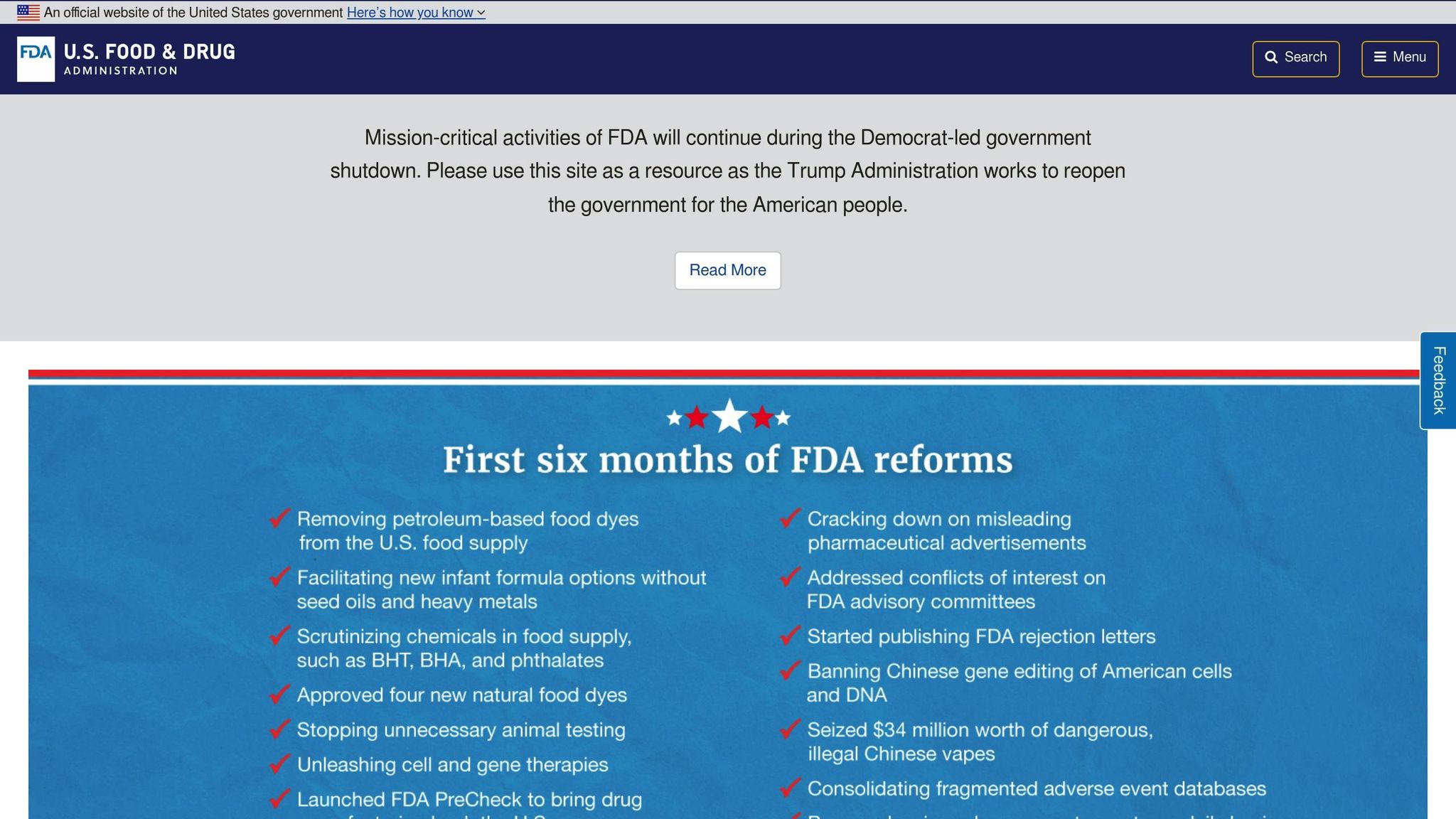
The FDA has set clear expectations for laboratories operating under current Good Manufacturing Practice (cGMP) regulations, ensuring that data integrity is maintained across its entire lifecycle. These guidelines go beyond basic record-keeping, creating a framework that guarantees data can be trusted at every stage.
Regulatory Framework and References
The FDA’s data integrity requirements are rooted in two key regulations: 21 CFR Part 211, which governs pharmaceutical manufacturing, and 21 CFR Part 58, which applies to nonclinical studies under Good Laboratory Practice[1][3]. Laboratories must follow the ALCOA principles (Attributable, Legible, Contemporaneous, Original, and Accurate) to ensure data remains reliable and traceable.
The 2018 FDA guidance, "Data Integrity and Compliance with cGMP", uses a practical Q&A format to address everyday challenges faced by laboratories[1]. This document not only outlines what is required but also provides actionable steps for implementation. It establishes a strict standard: inadequate controls are considered violations, even if no data manipulation is detected[1]. These expectations extend to robust records management systems.
Records Management Requirements
The FDA mandates that both electronic and paper records be managed with equal diligence, ensuring they are complete, accurate, and secure[1][3]. For electronic records, audit trails are critical – they must capture all changes and be reviewed before final approval[1]. This means every addition, deletion, or modification must be fully documented and linked to the individual responsible for the action.
Metadata, such as timestamps, user IDs, and instrument identifiers, must also be retained to ensure traceability[1]. This metadata acts as a digital signature, enabling inspectors to confirm the authenticity of data long after it was created.
Serious violations, such as backdating data, omitting failed results, or conducting unofficial analyses, can result in harsh penalties, including warning letters or enforcement actions[1][2][8]. For example, the FDA has issued warnings to several major Indian pharmaceutical companies for issues like deleting electronic data, fabricating records, and failing to report stability failures[1].
System Validation and Access Controls
The integrity of computerized systems is just as important as records management. Laboratories are required to validate these systems for their intended purpose, ensuring that software, hardware, personnel, and documentation align to support data integrity[1][3]. The quality unit must be involved in the validation process, addressing risks associated with each aspect of the workflow. All validation documentation must be preserved for FDA review[1].
Access controls are a cornerstone of data security. The FDA requires strict measures to prevent unauthorized access or manipulation of data[3]. Laboratories must maintain up-to-date lists of authorized personnel and their specific access levels for each cGMP computer system[3]. Only trained and authorized individuals should have the ability to access, modify, or approve data, with all access events logged and auditable[1][3].
Failure to validate systems or enforce proper access controls can lead to data rejection. The FDA has rejected study data from third-party testing facilities found to have falsified or copied results, which can disrupt supply chains and delay access to therapies[2][8]. In 2017, data integrity issues were cited in 65% of FDA warning letters, reflecting the agency’s heightened focus on this area[7].
Strong system validation and access controls also highlight the importance of dependable suppliers. Partnering with suppliers like Allan Chemical Corporation ensures access to high-quality, compendial-grade materials (USP, FCC, ACS, NF), aiding laboratories in meeting FDA requirements for data integrity through reliable and well-documented solutions.
Disclaimer: This content is for informational purposes only. Consult official regulations and qualified professionals before making sourcing or formulation decisions.
How to Achieve Data Integrity in Your Lab
Protecting data throughout its lifecycle requires layered controls that work together to prevent errors and manipulation. This approach ensures your lab’s data remains reliable and trustworthy.
Setting Up Access Controls and Audit Trails
Start by defining clear user roles that limit who can access, modify, and approve data. The FDA mandates that labs maintain up-to-date records of authorized personnel and their specific access levels for each cGMP computer system[3]. This includes documenting not only who has access but also why they have it and what type of access they are allowed.
Use unique user IDs and enforce strong password policies to safeguard systems. Your Laboratory Information Management System (LIMS) should log all activities, and critical changes – like test specification updates – should only be made by qualified supervisors using technical safeguards, not just policy guidelines.
Audit trails are essential for tracking every critical data change. For example, if a test result needs correction, the system must record the original value, the updated value, the reason for the change, and the identity of the person making the modification[1][6]. The FDA requires these audit trails to be reviewed as part of each record and before final approval. Regular reviews can also help identify unusual patterns that might signal potential issues. Consider scheduling these reviews based on the risk level of the data being handled.
Once access controls are in place, validate your systems to ensure data security is airtight.
Validating Laboratory Systems and Processes
Validation ensures your lab systems consistently deliver accurate and reliable results[1][3]. This process should encompass software, hardware, personnel, and documentation, with your quality unit actively involved.
Begin with a validation master plan that lists all computerized systems in your lab and evaluates their risk levels. High-risk systems like LIMS, chromatography data systems, and electronic laboratory notebooks require thorough validation protocols. Each system should be tested for features such as data security, audit trails, and processing accuracy under real-world conditions.
Plan for periodic revalidation, especially after software updates, hardware changes, or process modifications[1][7]. If a system failure or deviation occurs, conduct an immediate review and revalidation if necessary. Document all validation and maintenance activities meticulously, as FDA inspectors will expect proof that your systems remain compliant.
With technical controls in place, focus on training your staff to maintain data integrity through proper documentation practices.
Training Staff on Documentation Practices
Human error and poor documentation are common causes of data integrity issues[1][9]. Effective training can significantly reduce these risks. Staff should be trained to meet FDA standards for recording data in a way that is accurate, complete, and contemporaneous, whether using electronic systems or paper records.
Emphasize practical documentation skills to avoid common pitfalls. Teach personnel to record data directly into controlled systems rather than relying on unofficial notes. Stress the importance of logging data as it is generated and outline clear procedures for making corrections. Any changes should include a documented reason while preserving the original data.
Regular refresher training is vital to keep staff updated on FDA guidelines and real-world scenarios. Include hands-on exercises to help them practice proper documentation techniques using your lab systems. Assess their understanding through written tests and practical demonstrations, and keep detailed records of all training activities and competency checks, as these are often reviewed during audits.
Encourage a culture where staff feel safe reporting potential data integrity concerns without fear of retaliation. Open communication and clear escalation procedures not only support compliance but also enhance the reliability of your lab’s results. Reinforcing these practices helps ensure data remains Attributable, Legible, Contemporaneous, Original, and Accurate.
Disclaimer: This content is for informational purposes only. Consult official regulations and qualified professionals before making sourcing or formulation decisions.
sbb-itb-aa4586a
Common Data Integrity Problems and FDA Enforcement
Adhering to ALCOA principles is essential for maintaining compliance in laboratory settings. When labs fail to document data changes or maintain proper audit trails, they risk falling short of regulatory expectations. Below, we’ll look at common violations, recent FDA enforcement trends, and strategies for implementing effective corrective and preventive actions (CAPA).
Most Common Violations During Inspections
One of the most frequent issues labs face is undocumented changes to data. This includes unapproved modifications to test results or parameters without recording essential details like who made the change, when it was made, and the reason behind it. Such lapses can seriously undermine data reliability and compliance standards[1].
Another red flag for inspectors is missing or disabled audit trails. Some labs may disable audit trail features, either intentionally or unknowingly, which directly violates data integrity principles and raises serious compliance concerns[1].
Altered records and falsified documentation are also common findings during inspections. Labs might attempt to hide missed deadlines or failed tests by altering timestamps, pre-signing forms, or making unauthorized changes to electronic records. These practices compromise the trustworthiness of the data and can lead to severe regulatory consequences[1].
Other violations include unauthorized deletions of electronic data, backdating records inaccurately, and unexplained gaps in sequential file numbers – each pointing to potential data manipulation. Additionally, inaccurate training records often surface when labs rush to demonstrate compliance. This might involve backdating training logs, forging signatures, or fabricating records for training sessions that never occurred[1].
Recent FDA Enforcement Actions
The FDA has significantly ramped up its enforcement efforts in recent years. Between 2010 and 2012, the agency issued only five warning letters for data integrity violations. That number jumped to 24 between 2013 and 2015, reflecting the FDA’s growing focus on this issue[1]. Recent cases highlight the agency’s strict stance, with actions including rejecting study data from labs that falsified results or copied information[2].
Since May 2013, the FDA has issued warning letters to over 10 major pharmaceutical companies for data integrity violations. These actions have included import bans for companies that disabled audit trails or failed to report stability failures, demonstrating the agency’s zero-tolerance approach to unreliable data[1].
Building Corrective and Preventive Action Programs
When violations occur, labs must act quickly to address them. A successful CAPA program begins with a thorough root cause analysis to identify the underlying issues. These could range from insufficient staff training to system limitations or even workplace cultures that inadvertently encourage shortcuts.
Corrective actions should address the immediate problem, while preventive measures aim to eliminate the root causes. Steps might include tightening system access controls, improving staff training programs, and scheduling regular supervisory reviews of electronic records.
To ensure the effectiveness of CAPA programs, labs should establish clear metrics, such as tracking audit trail reviews, monitoring training compliance, and evaluating the frequency of data corrections. Regular process reviews can help sustain long-term data integrity.
A key component of any CAPA program is fostering a workplace culture that prioritizes accurate and timely documentation. Clear performance expectations, combined with ongoing training, can help reduce the risk of future violations.
Finally, detailed records of all CAPA activities are critical. Documenting investigations, corrective actions, and their outcomes not only demonstrates compliance with FDA standards but also supports continuous improvement efforts.
Disclaimer: This content is for informational purposes only. Consult official regulations and qualified professionals before making sourcing or formulation decisions.
Supporting Data Integrity Through Quality Suppliers
The reliability of your lab’s data hinges on the quality of the chemicals and reagents you use. Partnering with unreliable suppliers can lead to substandard materials, incomplete documentation, and poor traceability – all of which can jeopardize data integrity efforts [1][5]. Choosing dependable suppliers is a crucial step in building a solid framework for data integrity. Here’s how supplier practices directly influence your lab’s success.
Analytical Method Validation Requirements
Validating analytical methods ensures your lab produces consistent and accurate results. The FDA mandates labs to validate methods for their intended purpose, maintain detailed validation records, and periodically review and revalidate these methods [10][11]. This process minimizes the risk of errors, bias, or data manipulation that could harm regulatory compliance.
The success of method validation heavily depends on the quality of chemicals and reagents. If suppliers provide materials with inconsistent purity or composition across batches, labs may encounter unexpected results, triggering investigations and raising compliance risks during FDA inspections. To prevent such issues, labs must secure thorough documentation from suppliers, including certificates of analysis, validation data, and detailed chemical specifications [5]. These records are vital for FDA inspections, demonstrating that all materials align with validated analytical procedures.
Working with ISO-Certified Suppliers
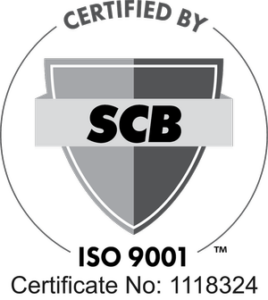
Partnering with ISO-certified suppliers provides added assurance of quality and traceability. For example, ISO 9001 certification reflects a supplier’s commitment to maintaining robust quality management systems, ensuring consistent product quality and strong documentation practices [5]. Suppliers with ISO 14000 certification also incorporate environmental management controls, which can further aid compliance efforts.
The FDA expects labs to thoroughly vet suppliers by verifying their qualifications, compliance history, and adherence to recognized quality standards [5]. ISO-certified suppliers meet these expectations by offering reliable quality systems, complete documentation, and traceability practices that minimize the risk of data integrity breaches.
To maintain these standards, labs should establish ongoing monitoring programs for their suppliers. This includes periodic audits, re-evaluating supplier qualifications, and reviewing performance metrics [5]. Proactive monitoring ensures that suppliers continue to meet data integrity requirements and helps identify potential issues before they affect lab operations or regulatory compliance.
How Allan Chemical Corporation Supports Data Integrity
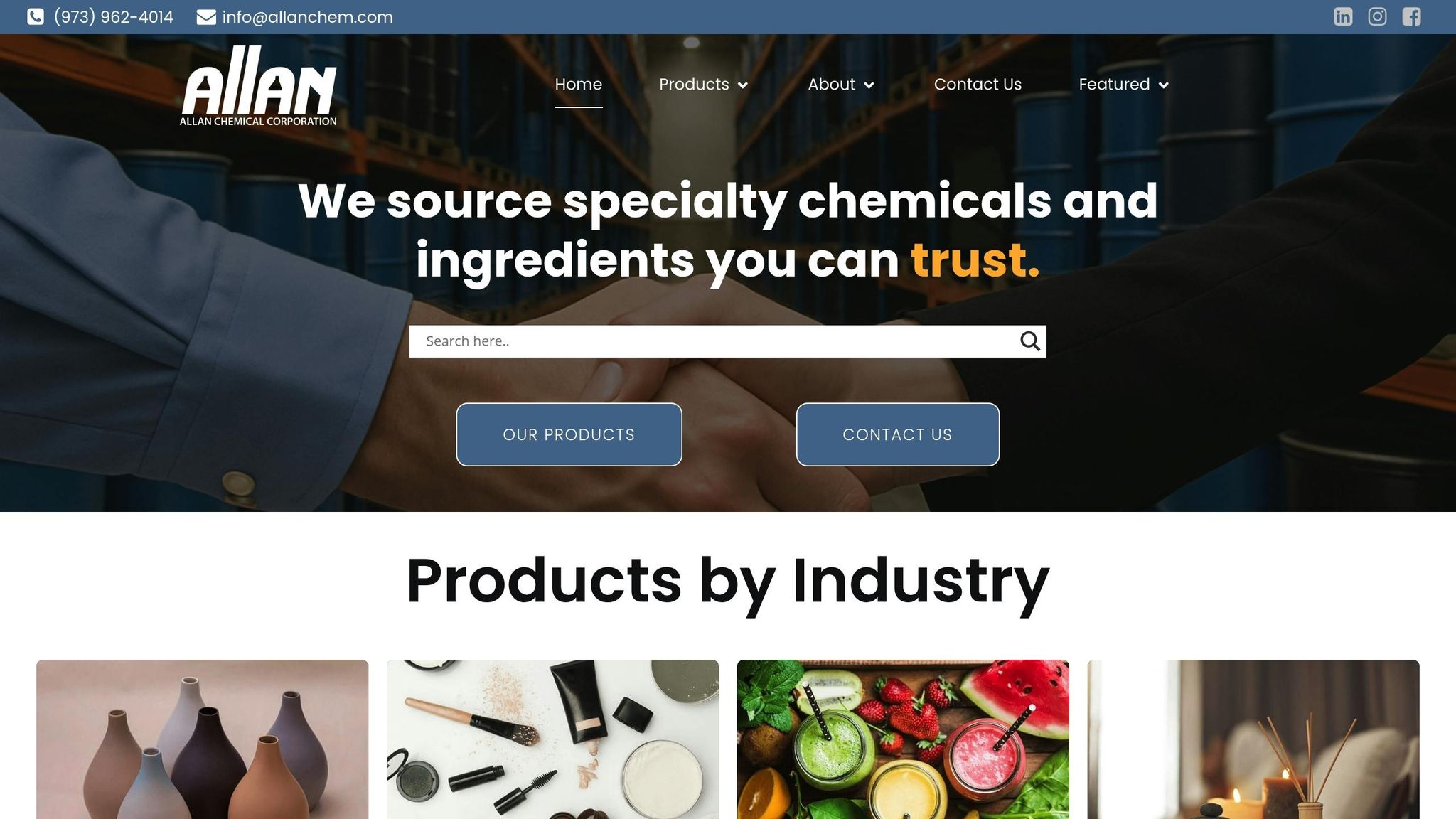
Allan Chemical Corporation provides high-quality chemicals that meet established standards like USP, FCC, ACS, and NF, ensuring your lab’s data integrity remains intact. With over 40 years of experience in regulated industries, Allan Chemical understands the importance of reliable materials in supporting method validation and compliance.
Their just-in-time delivery system helps labs manage inventory efficiently, reducing the risk of using expired or improperly stored reagents. This service minimizes disruptions and ensures experimental conditions remain consistent, ultimately safeguarding data reliability.
Allan Chemical Corporation also provides critical documentation, such as specifications, certificates of analysis, and safety data sheets, which are essential for meeting audit trail and traceability requirements during FDA inspections [12]. Additionally, the company offers custom products tailored to specific laboratory needs, helping labs maintain validated methods without deviations that could compromise results [12].
"Specifications, Certificates of Analysis, and Safety Data Sheets (SDS) are available upon request. If you have special requirements, AllanChem offers products specifically produced to meet your particular needs and specifications." [12]
Their commitment to regulatory compliance is evident through roles like their Regulatory Document Coordinator, who ensures all documentation and compliance needs are handled properly [12]. This dedication supports labs in maintaining the detailed records and traceability necessary for FDA inspections and ongoing compliance.
Disclaimer: This content is for informational purposes only. Consult official regulations and qualified professionals before making sourcing or formulation decisions.
Conclusion
Key Takeaways
Maintaining data integrity is essential for regulatory compliance, product safety, and reliable operations in analytical testing laboratories. The FDA’s increased focus on enforcement highlights the need for labs to adopt proactive measures to stay compliant.
The ALCOA principles – ensuring data is attributable, legible, contemporaneous, original, and accurate – are at the heart of FDA compliance [1]. These principles are supported by robust system controls, including detailed audit trails, secure access protocols, and thorough documentation. Given the FDA’s "guilty until proven innocent" approach, labs must demonstrate compliance proactively, even in the absence of evidence suggesting data manipulation [1].
Common violations remain a challenge, with issues like unreported failed results, deleted electronic records, disabled audit trails, and backdated entries frequently cited [1][13]. These persistent problems emphasize the importance of comprehensive programs that address both technical and procedural risks.
Final Thoughts
To safeguard data integrity, laboratories must adopt integrated strategies and take proactive steps. Establishing corrective and preventive action (CAPA) programs is critical for investigating problems, identifying root causes, and implementing durable solutions [1][4]. Regular internal audits and risk assessments can uncover vulnerabilities before they lead to regulatory issues.
As noted earlier, working with trusted suppliers plays a key role in upholding data integrity. Reliable partners provide the documentation and traceability needed to meet FDA requirements. For example, Allan Chemical Corporation delivers chemicals that meet stringent compendial standards like USP, FCC, ACS, and NF, along with detailed documentation. This level of support ensures materials meet quality and traceability expectations, making regulatory inspections smoother and more predictable.
By committing to transparency, continuous improvement, and adherence to evolving FDA guidelines, laboratories can establish a strong foundation for compliance. Leveraging technology for automated compliance tasks and partnering with dependable suppliers creates a framework that not only safeguards regulatory standing but also prioritizes public safety. Investing in proper data integrity practices today helps avoid costly enforcement actions and operational setbacks in the future.
Disclaimer: This content is for informational purposes only. Always consult official regulations and qualified professionals before making sourcing or formulation decisions.
FAQs
What are the ALCOA principles, and how do they ensure data integrity in laboratory testing?
The ALCOA principles – Attributable, Legible, Contemporaneous, Original, and Accurate – serve as a cornerstone for ensuring data integrity in laboratory settings. These guidelines are designed to make sure that all data collected during analytical testing is dependable, traceable, and aligns with FDA regulations.
Following ALCOA means data must be clearly linked to its source, documented as events occur, recorded in a readable and understandable way, kept in its original state, and free of mistakes. This approach not only helps laboratories meet regulatory requirements but also reinforces confidence in the precision and reliability of their findings.
What steps can laboratories take to comply with FDA guidelines for data integrity in both paper and electronic records?
To meet FDA guidelines for data integrity, laboratories must prioritize accurate, complete, and consistent record-keeping. This requirement applies to both paper-based and electronic systems.
Here are some essential practices:
- Follow ALCOA principles: Records should be attributable to the person who created them, legible, contemporaneously documented, original, and accurate. These principles form the foundation of reliable data.
- Validate electronic systems: Ensure that any software or systems used for data collection and storage comply with FDA regulations. This includes verifying functionality and security measures.
- Develop clear procedures: Create and enforce standard operating procedures (SOPs) that outline proper data handling and storage practices.
- Perform regular audits: Conduct periodic reviews of records and systems to identify any compliance issues and resolve them promptly.
- Train employees: Offer ongoing training to help staff understand and consistently apply data integrity requirements.
Adopting these measures not only ensures regulatory compliance but also strengthens confidence in laboratory processes and results.
What should a laboratory do if it discovers a data integrity issue to ensure compliance with FDA guidelines?
If a laboratory identifies a data integrity issue, swift action is crucial to address the problem and remain compliant with FDA guidelines. Here’s how to tackle such situations effectively:
- Investigate thoroughly: Start by conducting a detailed investigation to uncover the root cause of the data integrity issue. Make sure to document everything – how the problem occurred, when it happened, and any contributing factors.
- Implement corrective measures: Address the issue by taking corrective and preventive actions (often referred to as CAPA). This could involve updating standard operating procedures, retraining staff, or upgrading systems to ensure the problem doesn’t recur.
- Notify authorities if needed: If the violation is severe, promptly inform the FDA or other relevant regulatory bodies. Be transparent – provide a clear explanation along with a detailed plan of your corrective actions.
- Strengthen controls: Reinforce your data integrity practices by adhering to ALCOA+ principles. This means ensuring that all data is Attributable, Legible, Contemporaneous, Original, Accurate, and meets additional criteria for reliability.
For laboratories in regulated industries, maintaining strong data integrity systems is non-negotiable. Allan Chemical Corporation has been a trusted partner for over 40 years, delivering high-quality specialty chemicals with systems designed to meet rigorous compliance standards every step of the way.


Comments are closed