
Proper disposal of darkroom chemicals is critical to avoid health risks, environmental damage, and legal penalties. Darkroom chemicals like Developers, Stop Baths, and Fixers contain hazardous substances such as Hydroquinone, Acetic Acid, and dissolved silver. Mishandling these can harm water supplies, aquatic life, and human health. Federal laws like the Resource Conservation and Recovery Act (RCRA) regulate hazardous waste disposal, but local rules may impose stricter requirements.
Key Points:
- Health Risks: Skin irritation, respiratory issues, and toxic vapor exposure.
- Environmental Concerns: Contamination of groundwater and ecosystems.
- Legal Consequences: Fines, citations, or imprisonment for improper disposal.
Safe Disposal Practices:
- Storage: Use labeled, dedicated containers and separate incompatible chemicals.
- Home Users: Confirm local rules before sewer disposal; avoid septic systems.
- Businesses: Use authorized waste facilities and silver recovery systems.
- Silver Recovery: Reclaim silver from Fixer to reduce hazards and comply with regulations.
Compliance Essentials:
- Maintain detailed chemical inventories and waste logs.
- Train staff on handling, disposal, and emergency protocols.
- Partner with reliable suppliers for high-quality chemicals and safety documentation.
Proper management ensures safety, reduces risks, and meets legal obligations. Always consult local regulations and experts for specific guidance.
Darkroom Chemical Hazards
Hazardous Chemicals in Darkrooms
Darkroom photography relies on three main types of chemicals – developers, stop baths, and fixers – and each comes with its own risks.
Developers often contain compounds like Hydroquinone and Metol. These substances can irritate the skin, cause burns, or even lead to sensitization if inhaled or touched repeatedly over time[2][5].
Stop baths usually include Acetic Acid, which can release harmful fumes and cause chemical burns if it comes into contact with the skin. Proper ventilation and protective gear are essential when using these chemicals[2].
Fixers are particularly concerning due to their dissolved silver content. Spent fixer, if not treated through silver recovery systems, is classified as hazardous waste. Pouring it down standard drains can violate federal and local regulations, as these systems aren’t equipped to handle heavy metals like silver. Improper disposal poses lasting environmental risks[3][4].
Both state and federal laws mandate proper training for anyone handling or disposing of these chemicals, emphasizing the importance of safety and compliance[2].
Health and Environmental Risks
Darkroom workers are exposed to health risks primarily through inhaling toxic vapors or direct skin contact with chemicals. Poorly ventilated spaces or improperly sealed containers can exacerbate these dangers. Symptoms of exposure may not appear immediately, making preventive measures like ventilation and protective equipment all the more critical.
Environmental concerns arise when darkroom chemicals are disposed of improperly. Septic systems, designed for household waste, cannot process these substances, leading to potential contamination of groundwater through soil infiltration. This can harm local ecosystems and create long-term environmental challenges[4].
Similarly, dumping untreated chemicals into municipal sewer systems can overwhelm water treatment facilities. For example, silver from fixer solutions can accumulate in aquatic ecosystems, causing significant harm over time[3][4].
The consequences of improper disposal go beyond environmental damage. Violations of hazardous waste regulations can result in fines, citations, or even imprisonment for individuals found to have "willfully and knowingly" broken the law. Institutions may also face reputational damage if such violations attract public or media scrutiny[2].
These risks highlight the importance of following strict disposal protocols and adhering to all relevant regulations.
Disclaimer: This content is for informational purposes only. Consult official regulations and qualified professionals before making sourcing or formulation decisions.
Safe Disposal Practices
Storage and Handling
When it comes to storing chemicals, the right containers make all the difference. Always use dedicated chemical storage bottles – never reuse household containers, as this can lead to confusion or accidents. Each container should be clearly labeled with the chemical name, any associated hazards, and the date it was filled[2][5].
Keep chemicals stored below waist level to minimize the risk of spills, and always separate incompatible substances to prevent dangerous reactions. For example, developers, stop baths, and fixers should each have their own designated storage areas[4][5].
Regularly managing your inventory is another key safety step. Using older chemicals first helps reduce waste and ensures that solutions remain stable. When handling darkroom chemicals, protective gear like safety glasses or goggles, gloves, and tongs is essential. Access to these chemicals should be restricted to trained personnel, who should be familiar with chemical safety, hazardous waste procedures, and emergency protocols as required by state and federal laws[2][5].
Next, let’s look at how disposal practices vary for individuals and businesses.
Disposal Methods for Individuals and Businesses
Disposal rules differ greatly between home users and commercial operations. Home photographers have more flexibility but must still follow important guidelines. For instance, non-fixer chemicals can often be disposed of through municipal sewer systems, but only if local regulations permit it[4][7].
Before pouring anything down the drain, confirm that the solution is non-hazardous, properly diluted, and has a pH between 6 and 9. Never dispose of chemicals in septic systems, as these systems aren’t built to handle photographic chemicals[3][4].
Businesses face stricter disposal requirements. Federal, state, and local laws typically mandate that hazardous waste, like used fixer, be handled through authorized facilities. Pouring these chemicals down the drain is strictly prohibited[2][4].
Commercial operations usually maintain detailed chemical inventories, label all waste containers, and arrange hazardous waste pickups through approved services. Access to chemicals is limited to trained staff, and environmental health departments oversee waste collection on scheduled dates. This structured approach ensures compliance, reduces risks, and creates a clear documentation trail[2].
| Waste Type | Home User Disposal | Business Disposal |
|---|---|---|
| Developer | Municipal sewer (check local regulations) | Authorized hazardous waste facilities[6][4] |
| Stop Bath | Municipal sewer (diluted, pH 6–9) | Authorized hazardous waste facilities[4] |
| Fixer (untreated) | Not recommended for sewer disposal | Silver recovery required, then hazardous waste facilities[3][4] |
| Fixer (post-silver recovery) | May be drain disposed if properly treated | Silver recovery required, then hazardous waste facilities[3][4] |
Fixer waste poses unique challenges, but silver recovery methods provide both environmental and financial benefits.
Silver Recovery from Fixer
Spent fixer contains dissolved silver, which is both a valuable resource and a regulated hazardous waste[3][4]. Recovering silver from fixer not only reduces environmental risks but also offers economic advantages.
Common recovery methods include silver recovery cartridges or electrolytic recovery units. These systems extract silver from the solution, allowing the remaining liquid to be disposed of in accordance with local regulations. While small-scale users can benefit from these methods, commercial operations are often required by law to implement silver recovery programs[3][4].
Regulatory Compliance and Documentation
Federal and Local Regulations
The Resource Conservation and Recovery Act (RCRA) categorizes many darkroom chemicals as hazardous waste, requiring facilities to manage them according to federal standards. These standards include specific concentration thresholds for certain substances: cadmium above 2 mg/L, chromium exceeding 25 mg/L, and copper over 3 mg/L, which classify the waste as hazardous [8].
Local and state regulations often go beyond federal requirements. Many municipalities set stricter limits on chemical concentrations in wastewater and may require special permits for disposing of photographic chemicals into the sewer system. In some cases, local laws outright ban sewer disposal or impose even tighter restrictions than federal guidelines.
Non-compliance with these regulations can result in severe penalties, including fines, citations, or, in extreme cases, imprisonment. To ensure safe chemical handling, darkroom facilities are generally required to register with institutional safety offices – such as Research Safety or Environmental Health & Safety – that oversee hazardous waste programs.
These strict regulatory standards necessitate detailed documentation and ongoing staff training.
Record-Keeping and Training
Meeting these regulatory demands starts with maintaining thorough records and ensuring staff are properly trained. Facilities must keep an updated inventory of all chemicals, listing their names and quantities. This inventory should be reviewed and updated at least once per semester or as required by local laws.
All waste containers need clear labels indicating the chemical name and the date they were filled. Facilities should also maintain accessible records, including chemical inventories, waste disposal logs, and training documentation. For systems like silver recovery units, maintenance records and disposal manifests are critical to demonstrate proper handling of recovered materials.
Personnel who handle hazardous chemicals must complete training programs covering waste management, chemical safety, and emergency protocols. These programs typically include topics such as the Right-To-Know Act, fire safety, and contingency planning. Many educational institutions enforce strict safety measures, such as mandatory silver recovery and staff training, with penalties for non-compliance that may include fines or restricted access to facilities.
Partnering with reliable suppliers, like Allan Chemical Corporation, can help facilities meet compliance standards. With over 40 years of experience in regulated industries, they provide technical-grade and compendial-grade chemicals, along with detailed safety data sheets and documentation, supporting strong chemical management practices.
Accurate documentation and well-trained staff are essential for safely managing darkroom chemicals and staying compliant with regulations. Best practices for record-keeping include maintaining detailed logs that track chemical inventories, waste generation, storage, and disposal activities. These logs should include information such as dates, chemical names, quantities, disposal methods, and copies of waste pickup requests. Establishing written procedures for waste handling can simplify compliance during inspections.
This content is for informational purposes only. Always consult official regulations and qualified professionals before making decisions about chemical disposal.
sbb-itb-aa4586a
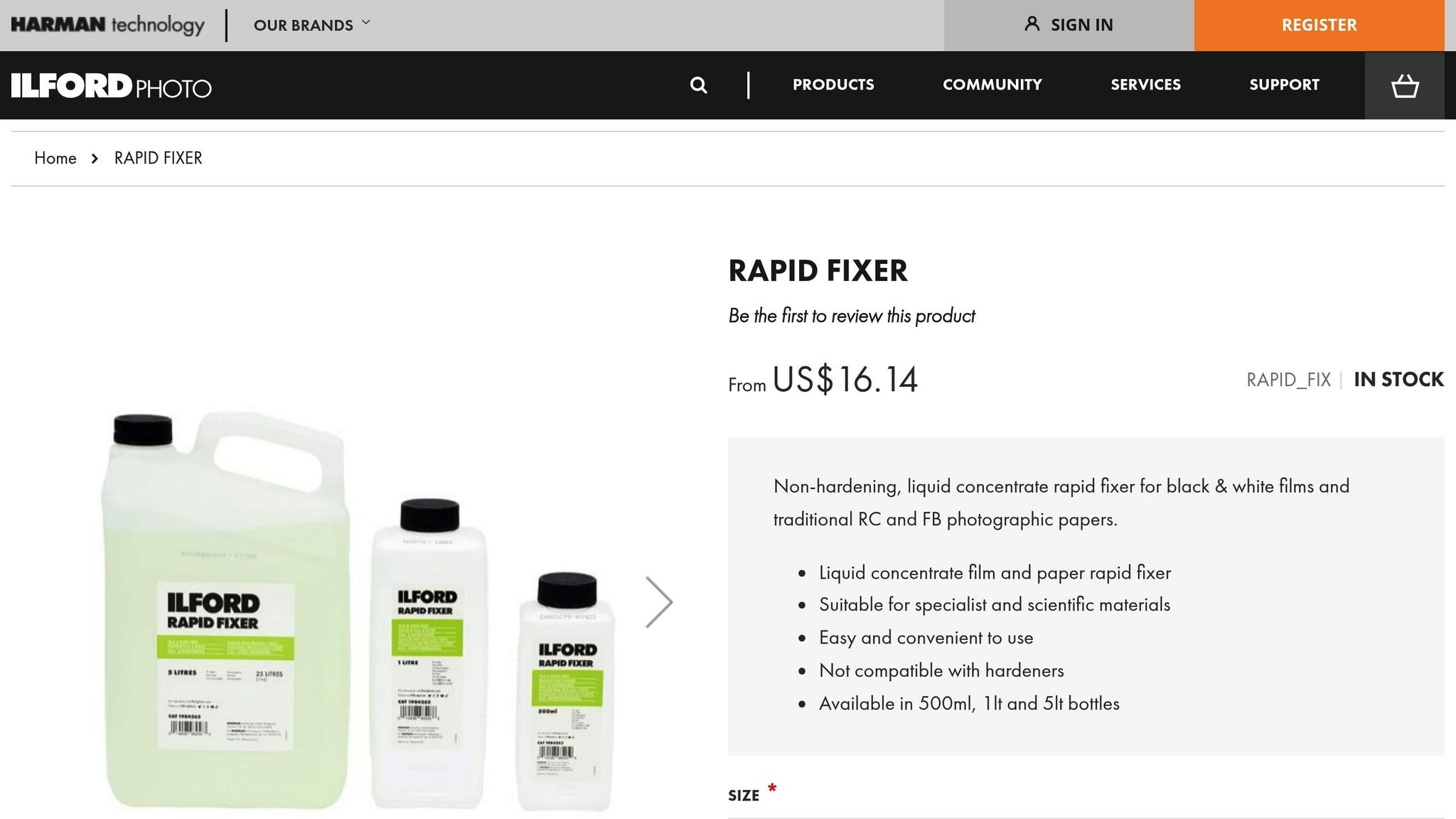
Ilford Rapid Fixer: Safety, Handling, Disposal
Best Practices for Chemical Management
Effective chemical management goes beyond compliance and record-keeping – it’s about reducing waste, improving safety, and ensuring smooth operations.
Reducing Chemical Waste
Minimizing waste starts with careful planning and precise handling of chemicals. For instance, darkroom operators should prepare only the exact amount needed for each session. To extend the life of working solutions, store them in airtight containers to prevent exposure to air, which can lead to early exhaustion or contamination, especially in opened containers.
Temperature control is another key factor. Chemicals should be stored in a stable environment at room temperature (68-72°F). Fluctuating temperatures can degrade chemicals faster, leading to premature disposal. For photographic chemicals, brown storage containers are ideal because they block light, which can otherwise degrade the solutions.
An organized inventory system helps prevent waste as well. Using a first-in-first-out approach ensures older chemicals are used before newer stock, reducing the chance of degradation. For infrequently used chemicals, opting for smaller containers minimizes the risk of contamination or spoilage. Additionally, storing chemicals below waist level can prevent accidents like spills or splashes, and always avoid using household containers (e.g., old milk jugs) for storage – these create serious safety hazards.
Silver recovery systems are another smart way to reduce waste. These systems not only help facilities meet regulatory requirements but also cut disposal costs and may even generate revenue from recovered materials. To maximize chemical performance and minimize waste, sourcing from reputable suppliers is equally important, as their quality standards align with effective waste management practices.
Working with Reliable Suppliers
Collaborating with experienced suppliers ensures access to high-quality chemicals that meet strict regulatory and safety standards. Trusted suppliers provide technical-grade and compendial-grade chemicals that meet benchmarks like ACS, USP, NF, and FCC. These standards guarantee consistency and purity, reducing the risk of early degradation or disposal issues.
A great example is Allan Chemical Corporation, which has over 40 years of experience supporting regulated industries. They offer critical documentation such as Specifications, Certificates of Analysis, and Safety Data Sheets, which are essential for understanding a chemical’s properties and ensuring safe handling. Their just-in-time delivery system also helps facilities maintain optimal inventory levels, avoiding overstocking and the expiration of unused chemicals.
"We source specialty chemicals and ingredients you can trust. At AllanChem, many of our products conform to, or exceed, the latest compendia of quality standards. These include but are not limited to ACS, USP, NF, FCC, Kosher and Halal. We pride ourselves on being sourcing experts… If you have special requirements, AllanChem offers products specifically produced to meet your particular needs and specifications." [1]
Experienced suppliers are also invaluable when facilities need hard-to-find chemicals or safer alternatives. Their competitive pricing and strong industry connections help facilities strike a balance between cost efficiency and regulatory compliance.
In addition to providing high-quality chemicals, reliable suppliers support safe handling practices and proper inventory management. Those who maintain robust quality systems demonstrate a commitment to environmental responsibility, ensuring safer chemical use and disposal across the supply chain.
This content is for informational purposes only. Always consult official regulations and qualified professionals when making sourcing or formulation decisions.
Conclusion
Safely disposing of darkroom chemicals is not just a good practice – it’s a legal obligation. Mishandling hazardous waste can lead to serious consequences, including fines, citations, and even imprisonment [2]. This makes understanding and following safe disposal practices critical for anyone working with these substances.
Disposal requirements vary widely depending on the setting. For instance, home darkrooms may sometimes dispose of non-fixer chemicals through municipal sewer systems if local regulations allow. However, commercial facilities must adhere to much stricter rules, often requiring the use of approved waste facilities and silver recovery systems [4]. For buildings with septic systems, drain disposal of any darkroom chemicals is strictly prohibited, regardless of the chemical type [3].
State and federal laws also mandate specific training for those handling hazardous substances [2]. This includes keeping accurate chemical inventories, labeling containers with dates, and maintaining detailed records of disposal activities. Educational institutions, for example, must submit key holder lists to Environmental Health & Safety departments and track attendance for all required training sessions [2].
Proper chemical management goes beyond compliance – it protects health, prevents accidents, and avoids reputational and financial risks. Poor practices can result in costly fines or even negative media coverage [2]. On the other hand, implementing silver recovery systems not only meets environmental standards but can also provide a financial return [4]. Additionally, good storage and housekeeping practices extend the life of chemicals, reducing waste and protecting investments [4].
Creating a culture of safety and responsibility is essential for successful darkroom chemical management. This involves sourcing chemicals from trusted suppliers – like Allan Chemical Corporation (https://allanchems.com) – who understand regulatory requirements and provide proper documentation. It also includes adopting waste reduction strategies, maintaining silver recovery systems, and ensuring thorough record-keeping and training. These steps not only ensure compliance but also promote safety, reduce costs, and protect the environment.
This content is for informational purposes only. Always consult official regulations and qualified professionals before making any decisions regarding chemical sourcing or disposal.
FAQs
What are the potential legal risks of disposing of darkroom chemicals improperly?
Improper disposal of darkroom chemicals in the United States can have serious legal repercussions. Violating laws like the Resource Conservation and Recovery Act (RCRA) could lead to fines, lawsuits, or even criminal charges, depending on how severe the infraction is. These regulations exist to safeguard water sources, soil, and public health from the dangers of hazardous waste.
To steer clear of these consequences, it’s essential to adhere to local, state, and federal rules for hazardous waste disposal. Reach out to your local waste management authority for specific guidance, or consult with a professional chemical supplier for advice on safe handling and disposal practices. Following these regulations not only protects the environment but also shields you from expensive penalties.
What is the best way to set up a silver recovery system for a home darkroom?
To set up a silver recovery system in your home darkroom, start by looking into small-scale recovery units specifically designed for personal use. These units typically rely on metal replacement cartridges or electrolytic recovery methods to extract silver from spent fixer solutions. Make sure to adhere to local guidelines for handling recovered silver and disposing of any leftover waste properly.
Keeping your system in good working order is crucial for efficient operation. Regularly check the capacity of your recovery unit and replace or service its components as necessary. If you’re uncertain about regulations or how to set up your system, reach out to a professional or a supplier with expertise in chemical recovery and disposal.
What are the best practices for safely storing darkroom chemicals to minimize health and environmental risks?
To store darkroom chemicals safely and minimize health and environmental risks, consider these essential practices:
- Choose the right containers: Always keep chemicals in their original, labeled containers, or transfer them to compatible, tightly sealed alternatives to avoid leaks.
- Control the environment: Store in a cool, dry, and well-ventilated space, away from direct sunlight, heat sources, or moisture.
- Separate reactive substances: Keep chemicals that could react with each other, like acids and bases, in separate storage areas.
- Adhere to regulations: Follow all local guidelines and rules regarding chemical storage to ensure compliance and safety.
Taking these precautions not only promotes safety but also helps preserve the quality and effectiveness of your chemicals. If you’re handling technical-grade or compendial-grade materials, consult suppliers experienced in regulated industries for additional guidance.




Comments are closed