
TSCA compliance is mandatory for chemical distributors to avoid fines, shipment delays, and reputational damage. The Toxic Substances Control Act (TSCA) regulates the handling, distribution, and reporting of chemical substances in the U.S. Distributors must meet strict EPA requirements, including recordkeeping, risk management, and chemical inventory checks. Non-compliance can lead to daily fines exceeding $40,000, product recalls, and operational disruptions.
Key Takeaways:
- TSCA Inventory: Updated in July 2025, it lists 86,862 chemicals, with 42,578 classified as active in commerce.
- High-Priority Chemicals: PFAS and Persistent, Bioaccumulative, and Toxic (PBT) substances face stricter reporting and risk management rules.
- Penalties: Civil fines over $40,000 per violation per day and fees up to $4.287 million for EPA risk evaluations.
- Deadlines: Reporting for 16 chemicals extended to May 22, 2026.
To stay compliant, distributors should maintain accurate records, monitor regulatory updates, and implement digital systems to streamline operations. Effective supplier communication and periodic internal audits help mitigate risks. Compliance is not just a legal requirement – it safeguards business operations and customer trust.
Import and Export Certification, Allegations/Substantial Risk
TSCA Requirements for Chemical Distributors
Chemical distributors must navigate a detailed framework of TSCA regulations that oversee the handling and distribution of chemicals. Staying compliant is essential to avoid legal issues and potential disruptions to business operations. Here’s an overview of the key TSCA provisions, high-priority chemicals, and recent updates that impact distributors.
Key TSCA Sections for Distributors
Several TSCA sections outline the core responsibilities for chemical distributors:
- Section 5: This section requires distributors to ensure that any new chemical or new use of an existing chemical has been pre-notified or approved by the EPA before it enters the market[2]. Distributors must verify that all chemicals they handle have the necessary EPA authorization.
- Section 6: Under this provision, the EPA has the authority to restrict or ban chemicals deemed to pose unreasonable risks to human health or the environment[2]. Distributors may need to quickly adjust operations when restrictions are imposed, as seen with substances like asbestos, PCBs, lead-based paints, mercury, and certain flame retardants.
- Section 8: This section outlines reporting and recordkeeping requirements. Distributors must maintain detailed records of production volumes, uses, processing, and distribution patterns. Facilities handling more than 25,000 pounds of a chemical annually must comply with the Chemical Data Reporting (CDR) requirement, which involves submitting comprehensive reports every four years[1].
These provisions directly influence operational decisions and risk management practices for distributors.
High-Priority Chemicals Under Review
Certain chemicals receive heightened scrutiny from the EPA, which increases compliance demands for distributors:
- PFAS (per- and polyfluoroalkyl substances): These substances now fall under new reporting requirements outlined in Section 8(a)(7), requiring disclosure even at low levels[2]. Given their persistence and potential health risks, distributors must closely monitor and document their presence.
- Persistent, Bioaccumulative, and Toxic (PBT) Chemicals: Chemicals like DecaBDE, a type of flame retardant, are subject to strict risk management rules[2][3]. Distributors handling these substances must navigate complex restrictions and possible phase-out schedules, which can have significant implications for inventory and customer relationships.
Additionally, companies involved in EPA-initiated risk evaluations face substantial fees, with costs reaching $4.287 million per substance[3].
2025 TSCA Updates and Changes
Several regulatory updates in 2025 have introduced new challenges for distributors:
- TSCA Inventory Update: As of July 2025, the updated TSCA Inventory lists 86,862 chemical substances, with 42,578 classified as "Active" for commerce[1][4][5]. The update added 21 new chemicals and removed 6 from the Confidential Inventory. Distributors must confirm the current status of all chemicals in their inventory to remain compliant[1].
- Extended Deadlines for Health and Safety Studies: In June 2025, the EPA extended the deadline for submitting health and safety studies on 16 high-priority chemicals to May 22, 2026[3]. This extension affects the timeline for risk evaluations, creating uncertainty for distributors planning their inventory and supply chain strategies.
- Compliance Extensions for Risk Management Rules: Major prohibitions on certain industrial and commercial uses have been pushed to September 15, 2025[6][7]. Expanded PFAS reporting requirements under Section 8(a)(7) now demand comprehensive disclosure of these substances across the supply chain. Distributors must enhance their analytical capabilities and documentation systems to meet these requirements, even for low concentrations of PFAS.
This information is intended for general guidance. Always consult official regulations and qualified professionals before making decisions related to sourcing or formulation.
How TSCA Enforcement Affects Daily Operations
The enforcement of the Toxic Substances Control Act (TSCA) can significantly disrupt the daily operations of chemical distributors. From halting shipments to requiring inventory adjustments, these actions often demand considerable resources to address compliance issues. By understanding the enforcement process and preparing for potential challenges, distributors can better navigate disruptions while staying compliant with regulations.
Types of TSCA Enforcement Actions
The Environmental Protection Agency (EPA) employs several enforcement methods that can directly impact operations. Among the most common are audits and inspections, which require extensive preparation, including gathering documentation and responding to inquiries. These investigations can pull staff away from regular duties for weeks at a time.
Product recalls are another major challenge, often creating logistical chaos. Distributors may need to stop sales, notify customers, and organize the return of products. For example, the prohibition of trichloroethylene (TCE) on September 15, 2025, forced distributors to quickly remove TCE-containing products from the market. While some industries received compliance extensions, most distributors had to act immediately to adjust their inventories and find alternatives.
Shipment delays and border holds are also common. If compliance with TSCA regulations cannot be demonstrated, the EPA can block shipments at U.S. borders, disrupting distribution and causing ripple effects throughout the supply chain. These delays often occur when imported chemicals lack proper documentation or are not listed on the TSCA Inventory.
Lastly, corrective orders can require significant changes to processes, forcing distributors to revise workflows or discontinue certain products altogether.
| Enforcement Action | Operational Impact | Typical Duration |
|---|---|---|
| Audit/Inspection | Workflow disruption; resource diversion | 2–8 weeks |
| Product Recall | Inventory loss; supply chain interruption | 1–6 months |
| Shipment Delay/Block | Delivery delays; customer dissatisfaction | Days to weeks |
| Corrective Order | Process changes; halted operations | Ongoing |
These enforcement actions not only disrupt internal operations but also affect inventory management and customer relationships.
Supply Chain and Inventory Disruptions
TSCA enforcement often causes significant ripple effects across the supply chain. For instance, cross-border shipment issues frequently arise when imported chemicals are held at ports due to incomplete or missing compliance documentation. Recent enforcement efforts have focused heavily on PFAS disclosures and substances subject to new TSCA restrictions, resulting in more frequent shipment holds at U.S. borders.
Inventory management becomes particularly difficult when enforcement actions mandate the immediate removal of non-compliant products. Distributors must quickly identify and isolate affected items, then determine the appropriate steps for disposal or return. The expanding requirements for PFAS reporting add another layer of complexity, as even trace amounts of these substances must now be tracked and documented.
Customer relationships can also suffer. Delayed shipments or the need to substitute unavailable products often lead to difficult conversations, potentially straining long-term partnerships. Additionally, the financial impact extends beyond penalties. Storage costs can increase when products are held for compliance checks, and expedited shipping may be required to meet customer demands once issues are resolved.
Reducing Operational Risks
To mitigate these challenges, distributors can adopt several strategies to reduce operational risks. Digital systems are particularly effective, as they centralize chemical data, automate workflows, and flag potential compliance risks. By maintaining audit-ready records and staying informed about regulatory updates, distributors can gain better visibility across their supply chains.
Regular communication with suppliers is another crucial step. Keeping all parties informed about TSCA requirements and updates can help identify compliance issues early, preventing them from escalating into enforcement actions.
Proactive inventory management is equally important. Regularly reviewing chemical inventories against the updated TSCA Inventory ensures that all substances remain compliant. Automated systems can send alerts when chemicals shift from active to inactive status or when new restrictions are introduced.
Finally, ongoing staff training and internal audits are essential for identifying compliance gaps. Training programs help employees understand TSCA requirements and recognize potential issues in daily operations, while internal audits provide opportunities to improve compliance systems.
Allan Chemical Corporation serves as an example of how to minimize TSCA-related risks. By leveraging strong supplier relationships and a sourcing-first approach, along with digital tracking and documentation systems, the company is able to respond quickly to enforcement actions. This reduces supply chain disruptions and helps ensure timely deliveries.
This content is for informational purposes only. Always consult official regulations and qualified professionals when making sourcing or formulation decisions.
Financial Penalties and Legal Risks
Violating the Toxic Substances Control Act (TSCA) can lead to serious financial and reputational consequences. Understanding the penalties and legal obligations is crucial for distributors looking to make informed decisions about compliance and risk management.
TSCA Penalty Structure and Case Examples
The Environmental Protection Agency (EPA) has the authority to impose hefty fines for TSCA violations. Civil penalties can exceed $40,000 per violation per day, with each day of non-compliance counted as a separate violation [2][9]. For more severe cases involving intentional violations, criminal penalties can reach $50,000 per day, along with up to one year of imprisonment [2][9].
These penalties can add up quickly. For instance, importing a chemical not listed on the TSCA Inventory without proper notification results in daily violations. Over a 30-day period, a distributor could face fines exceeding $1.2 million for a single chemical.
Real-world cases highlight the financial risks. In 2021, the EPA fined Brenntag Pacific, Inc., a major chemical distributor, $128,265 for TSCA violations. The fines stemmed from delayed and inaccurate import/export reporting, including missed Chemical Data Reporting (CDR) submissions [8].
Beyond fines, distributors may also face substantial costs tied to enforcement actions. For example, companies subjected to EPA risk evaluations must pay $4.287 million per chemical, with half due within six months of the draft scope’s release and the remainder due 545 days after the final scope is published [3].
To mitigate these risks, strict adherence to TSCA’s reporting and documentation requirements is essential.
Legal Requirements for Distributors
Complying with TSCA means maintaining accurate records, submitting timely reports, and meeting all legal obligations. Failure to do so can trigger enforcement actions [2][10][11].
One key requirement is submitting Pre-Manufacture Notifications (PMNs). Distributors must file PMNs before importing or processing substances not listed on the TSCA Inventory [2][11]. Processing chemicals without EPA approval can lead to immediate penalties and shipment holds.
Section 8(e) reporting imposes an ongoing duty to disclose any information that suggests a chemical poses a substantial risk to health or the environment [2][11]. Distributors who fail to report such risks may face both civil and criminal consequences.
Additionally, under Section 11, the EPA can conduct inspections and request documentation. Distributors must allow inspections and provide the necessary records. Obstructing inspections can worsen compliance issues and lead to further penalties [2][10].
By adhering to these legal requirements, distributors not only avoid penalties but also ensure smoother operations, reinforcing the importance of compliance in minimizing disruptions.
Compliance Costs vs. Non-Compliance Costs
Investing in compliance is far less expensive than dealing with the fallout from non-compliance. While compliance involves upfront costs, it helps avoid fines, legal disputes, operational disruptions, and reputational harm.
Reputation is another critical factor. EPA enforcement actions are often made public, which can erode customer trust and strain supplier relationships [8][11]. This is especially true for distributors serving highly regulated industries like pharmaceuticals and electronics, where clients demand reliable compliance records.
On the other hand, proactive compliance measures, such as digital tools and automated systems, offer predictable costs and measurable benefits. These systems centralize data, streamline documentation, and track regulatory updates in real time [2].
| Cost Category | Non-Compliance Approach | Proactive Compliance |
|---|---|---|
| Direct Penalties | $40,000+ per violation per day | Minimal risk |
| Legal Fees | High legal costs | Preventive consultation expenses |
| Operational Impact | Severe (e.g., shipment holds, recalls) | Minimal disruption |
| Reputational Damage | Public disclosures harming trust | Strengthened industry reputation |
The comparison highlights the financial and operational advantages of compliance.
A great example is Allan Chemical Corporation, which has over 40 years of experience in regulated industries. By building strong compliance systems, the company has achieved just-in-time delivery and competitive pricing while minimizing legal and financial risks. Their approach demonstrates how compliance can be a strategic advantage rather than just an expense.
Employee training is another cost-effective way to enhance compliance. Regular training programs help staff identify potential violations early, while internal audits can uncover gaps before they escalate [2][11].
This information is intended for educational purposes. Always consult official regulations and qualified professionals for specific compliance decisions.
sbb-itb-aa4586a
Risk Management Strategies for Distributors
Navigating TSCA compliance requires a well-structured risk management plan. For chemical distributors, adopting such strategies not only helps avoid expensive enforcement actions but also ensures smooth operations and preserves customer confidence. These approaches align closely with the operational and legal compliance measures highlighted earlier.
Building a Compliance Management System
At the heart of effective TSCA risk management lies a solid compliance management system. This system should include regular checks against the TSCA Inventory, thorough supplier evaluations, and ongoing monitoring of regulatory updates – such as the addition of high-priority chemicals or changes in reporting requirements [2].
Routine screening of the TSCA Inventory helps distributors steer clear of handling substances that may not comply with regulations. Equally important is maintaining clear and detailed documentation. Proper recordkeeping ensures readiness for audits and inspections, while also verifying that every chemical is registered as active on the TSCA Inventory before it is imported or used [1][4]. Assigning specific compliance duties to team members further reduces the risk of missed deadlines or incomplete submissions [2].
Supplier evaluations are another cornerstone of TSCA risk management. This process involves reviewing supplier certifications, conducting regular audits, and acquiring documentation that confirms compliance. By routinely assessing suppliers, distributors can minimize the risk of dealing with non-compliant or restricted substances [2].
Using Technology for Compliance
Technology has become an integral tool for managing TSCA compliance efficiently. Centralized data management platforms, automated workflows for documentation, and real-time compliance monitoring tools significantly ease the burden of regulatory adherence [2].
These digital solutions help reduce manual errors, enhance audit preparedness, and create a transparent audit trail for regulatory reviews. For example, automated systems can monitor production thresholds and generate required reports on time. Centralized platforms also simplify the management of chemical inventories, supplier and customer details, processing data, and TSCA-related documentation such as Premanufacture Notices, Significant New Use Notices, and Section 8 reporting records [2].
Allan Chemical Corporation‘s Risk Management Approach

Allan Chemical Corporation provides a practical example of how effective risk management strategies can bridge regulatory compliance with business success. With over 40 years of experience in regulated industries, the company employs a just-in-time delivery model. This approach minimizes inventory risks and liabilities tied to non-compliant stock while fostering direct relationships with vetted manufacturers to ensure supply chain transparency and TSCA compliance.
Another pillar of Allan Chemical Corporation’s strategy is comprehensive technical support. By offering detailed documentation and guidance, the company helps its customers navigate intricate regulatory landscapes. This includes maintaining easy access to Safety Data Sheets (SDS), Certificates of Analysis (CoA), and product specifications.
The company also dedicates personnel, such as a Regulatory Document Coordinator, to monitor regulatory updates and ensure all compliance documentation remains accurate and up-to-date. Additionally, Allan Chemical Corporation provides custom product solutions tailored to client needs, an invaluable service for industries like pharmaceuticals and electronics where regulations are particularly stringent.
This content is for informational purposes only. Consult official regulations and qualified professionals before making sourcing or formulation decisions.
Staying Compliant in a Changing Environment
Keeping up with regulatory changes is essential for maintaining compliance with the Toxic Substances Control Act (TSCA). The regulatory landscape under TSCA is constantly evolving, with the Environmental Protection Agency (EPA) frequently updating requirements and enforcement priorities. Chemical distributors need to adopt forward-thinking strategies to ensure long-term compliance and minimize risks.
Tracking EPA Rules and Industry Changes
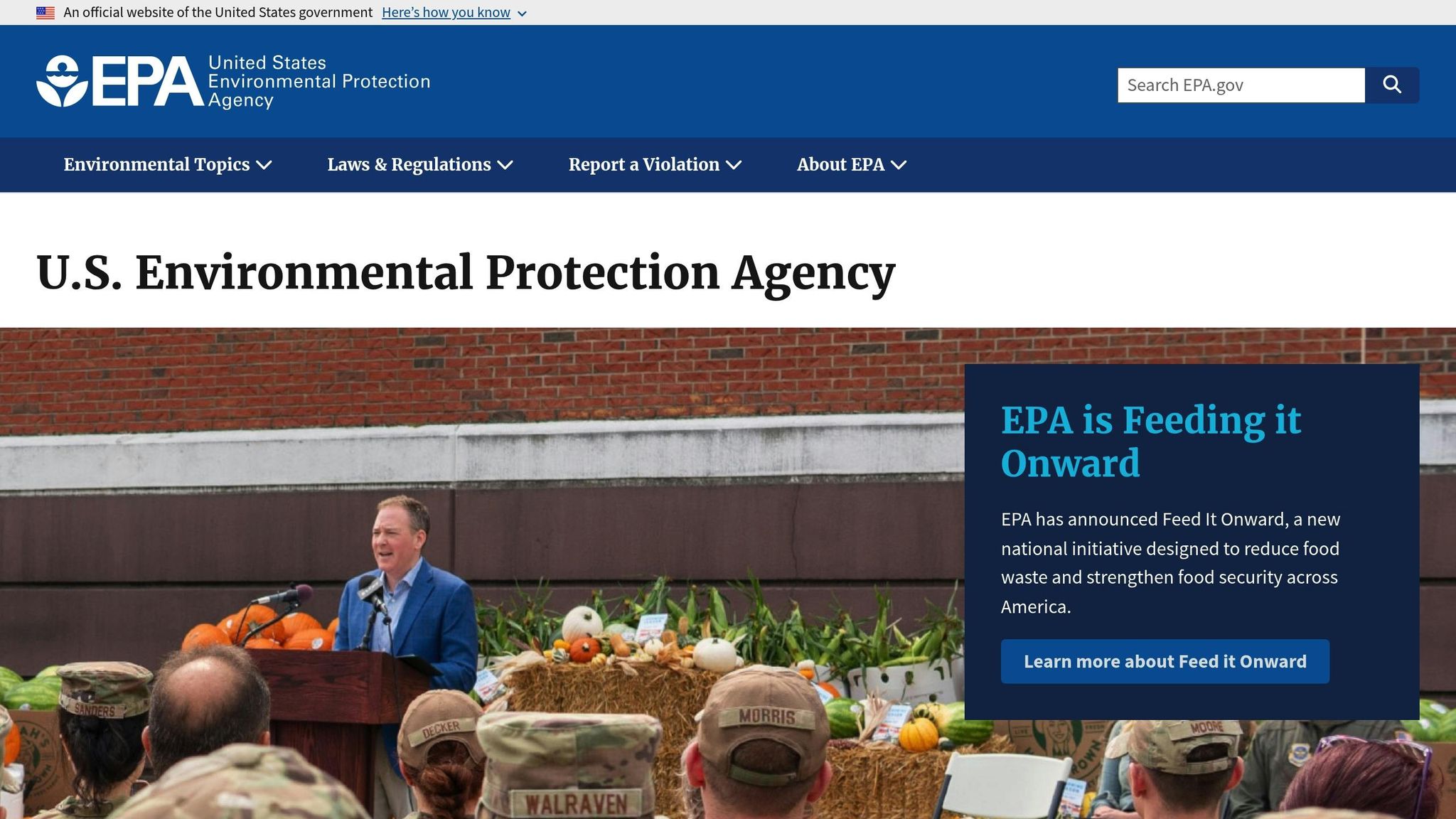
A solid compliance strategy starts with staying informed about regulatory updates. The TSCA Inventory undergoes updates twice a year, reflecting new additions and status changes. These frequent changes make it essential for distributors to monitor updates regularly to keep their chemical inventories in line with current regulations. This dynamic environment also calls for periodic updates to internal systems and processes.
To stay on top of these changes, subscribe to EPA alerts and regularly review the Federal Register for new rules [2]. Many distributors also find value in participating in industry webinars and using compliance management software. These tools often provide automated alerts and centralized data, simplifying the process of staying aligned with TSCA requirements [2].
Updating Compliance Programs
Regular updates to compliance programs are crucial. This includes conducting systematic reviews of protocols and performing compliance audits following significant regulatory changes. Structured training programs are also essential to ensure teams fully understand TSCA requirements, reporting obligations, and enforcement risks [2]. Training should cover key areas like chemical inventory management, reporting deadlines, risk evaluation frameworks, and handling high-priority or restricted substances [2][3].
For example, Allan Chemical Corporation demonstrates effective program management by employing a dedicated regulatory document coordinator. This role involves overseeing regulatory documentation and keeping track of evolving requirements. The company also uses digital compliance tools that flag regulatory changes, automate documentation workflows, and integrate risk management to identify restricted substances [2]. Practical steps include revising chemical inventories to align with the latest TSCA Inventory, updating standard operating procedures for new reporting requirements, and scheduling regular reviews of compliance documentation [2][4].
Working with Industry and Regulatory Groups
Collaborating with industry associations and regulatory groups can provide valuable insights and early warnings about upcoming regulatory changes. Participation in regulatory comment periods and industry working groups allows distributors to offer feedback on proposed rules and gain advance knowledge of potential shifts. These collaborations also help build relationships with regulators and peers, making it easier to interpret complex requirements and share best practices.
Taking a proactive approach to compliance offers benefits beyond avoiding penalties. Distributors who stay ahead of TSCA updates often enjoy reduced enforcement risks, greater operational efficiency, stronger reputations with customers and regulators, and the flexibility to adapt to market changes. This readiness positions them as reliable partners in regulated supply chains, supporting long-term business growth and resilience. By leveraging insights from industry collaborations, distributors can strengthen their TSCA compliance programs and maintain operational flexibility.
This content is for informational purposes only. Always consult official regulations and qualified professionals before making sourcing or formulation decisions.
Conclusion: TSCA Compliance for Long-Term Success
Successfully managing TSCA enforcement goes beyond simply knowing the rules – it requires embedding compliance into every layer of chemical distribution operations. With the TSCA Inventory constantly evolving, keeping up with these changes means taking proactive steps to ensure your business remains ahead of the curve.
The stakes are high. Daily fines can reach up to $50,000 per violation, emphasizing the need for constant vigilance [2][3]. For example, the December 2024 designation of 10 chemicals as high-priority for risk evaluation highlights how quickly regulations can shift, demanding distributors stay alert and ready to adapt [3].
But compliance isn’t just about avoiding penalties. It can also open doors to real business advantages. Companies with strong compliance programs often see reduced enforcement risks, smoother operations, and stronger trust with both customers and regulators. These factors contribute to sustained market access, a better reputation, and the ability to respond quickly to new regulatory demands.
One way to handle these challenges effectively is by partnering with experienced providers. For instance, Allan Chemical Corporation demonstrates how dedicated regulatory teams and well-organized documentation systems can help prevent supply chain disruptions. These practices reflect proven strategies that align with comprehensive risk management approaches.
Looking ahead, it’s clear that compliance should be seen as more than just a regulatory obligation – it’s an investment in the future of your business. By combining strong internal systems, reliable partnerships, and advanced technologies, companies can thrive in an increasingly regulated environment. As TSCA enforcement becomes more rigorous, these strategies will be key to maintaining a competitive edge and ensuring long-term success.
This content is for informational purposes only. Always consult official regulations and qualified professionals before making sourcing or formulation decisions.
FAQs
How can chemical distributors comply with TSCA regulations and avoid penalties?
To stay within TSCA regulations and steer clear of hefty penalties, chemical distributors need to prioritize strict quality control, thorough documentation, and full compliance with regulatory standards. This means ensuring that all chemical products align with established specifications like ACS, USP, NF, or FCC. Additionally, providing accurate, current Safety Data Sheets (SDS) and Certificates of Analysis (COA) when necessary is essential.
Working with a dependable supplier can significantly reduce compliance risks. For example, sourcing from experienced providers ensures access to high-quality chemicals that meet regulatory requirements. By taking these measures, distributors can confidently adhere to TSCA guidelines, minimizing the chance of operational setbacks or costly fines.
What compliance challenges do high-priority chemicals like PFAS and PBT substances pose for chemical distributors?
High-priority chemicals like PFAS (per- and polyfluoroalkyl substances) and PBT (persistent, bioaccumulative, and toxic) substances play a major role in shaping compliance requirements for chemical distributors. These substances are tightly regulated under the TSCA (Toxic Substances Control Act), which imposes strict rules such as reporting obligations, restrictions on their use, and specific disposal procedures.
Failing to comply with these regulations can have serious consequences. Distributors may face operational setbacks, hefty fines, and even damage to their reputation. To avoid these risks, it’s essential to stay updated on regulatory changes, maintain detailed and accurate records, and establish strong compliance programs. Working with knowledgeable suppliers, such as Allan Chemical Corporation, can provide access to top-quality, regulated chemicals that align with industry requirements.
How does TSCA enforcement affect chemical distributors, and what steps can help reduce the risks?
TSCA (Toxic Substances Control Act) enforcement can lead to serious challenges for chemical distributors, including operational delays, hefty fines, and compliance hurdles. These complications often stem from issues like incomplete documentation, failure to meet regulatory standards, or improper handling of restricted chemicals.
To reduce these risks, distributors need to strictly follow TSCA guidelines. This means keeping Safety Data Sheets (SDS) current, ensuring all sourced chemicals comply with regulations, and adhering to proper storage and handling practices. Building strong relationships with suppliers and streamlining logistics – such as implementing just-in-time delivery strategies – can also help distributors avoid disruptions while staying compliant.
At Allan Chemical Corporation, with over 40 years of expertise, compliance and quality assurance are top priorities. The company provides technical-grade and compendial-grade chemical solutions, ensuring distributors can confidently manage TSCA requirements and minimize risks tied to enforcement actions.


Comments are closed