
Synthetic musk compounds, such as Musk Ketone (CAS No. 81-14-1), are widely used in fragrances to enhance scent longevity. They are categorized into Nitro Musks, Polycyclic Musks, and Macrocyclic Musks, each with unique safety and environmental profiles. These compounds are found in over 90% of perfumes and personal care products.
The FDA in the U.S. and the EU have different regulatory approaches for synthetic musk. The FDA relies on post-market monitoring, allowing manufacturers to launch products without pre-market approval. In contrast, the EU enforces pre-market testing under its REACH Regulation, requiring detailed safety data before products reach consumers. The EU also mandates clearer ingredient labeling and bans certain musks like Musk Xylene due to health and environmental risks.
For manufacturers, these differences mean navigating two systems: the FDA’s reactive framework and the EU’s proactive model. Upcoming U.S. laws, like California’s MUSK Reduction Act (effective January 1, 2027), are moving closer to EU standards, introducing stricter limits on musk concentrations in products.
Quick Comparison
| Aspect | FDA (U.S.) | EU (REACH) |
|---|---|---|
| Pre-market Approval | Not required | Required |
| Ingredient Disclosure | Generic terms like "fragrance" | Specific allergens listed |
| Banned Compounds | Few bans (e.g., Nitro Musks restricted) | Nitro Musks banned, Polycyclic limited |
| Testing Requirements | Manufacturer responsibility | Mandatory with detailed data |
| Enforcement | Reactive (post-market monitoring) | Proactive (pre-market review) |
Manufacturers must balance compliance with both systems, often reformulating products or adopting stricter EU standards globally. Reliable suppliers are key to ensuring compliance, providing documentation, and meeting regulatory demands.
Your roadmap to EU & UK cosmetics compliance: Understanding Regulation (EC) No 1223/2009
FDA Guidelines for Synthetic Musk in the United States
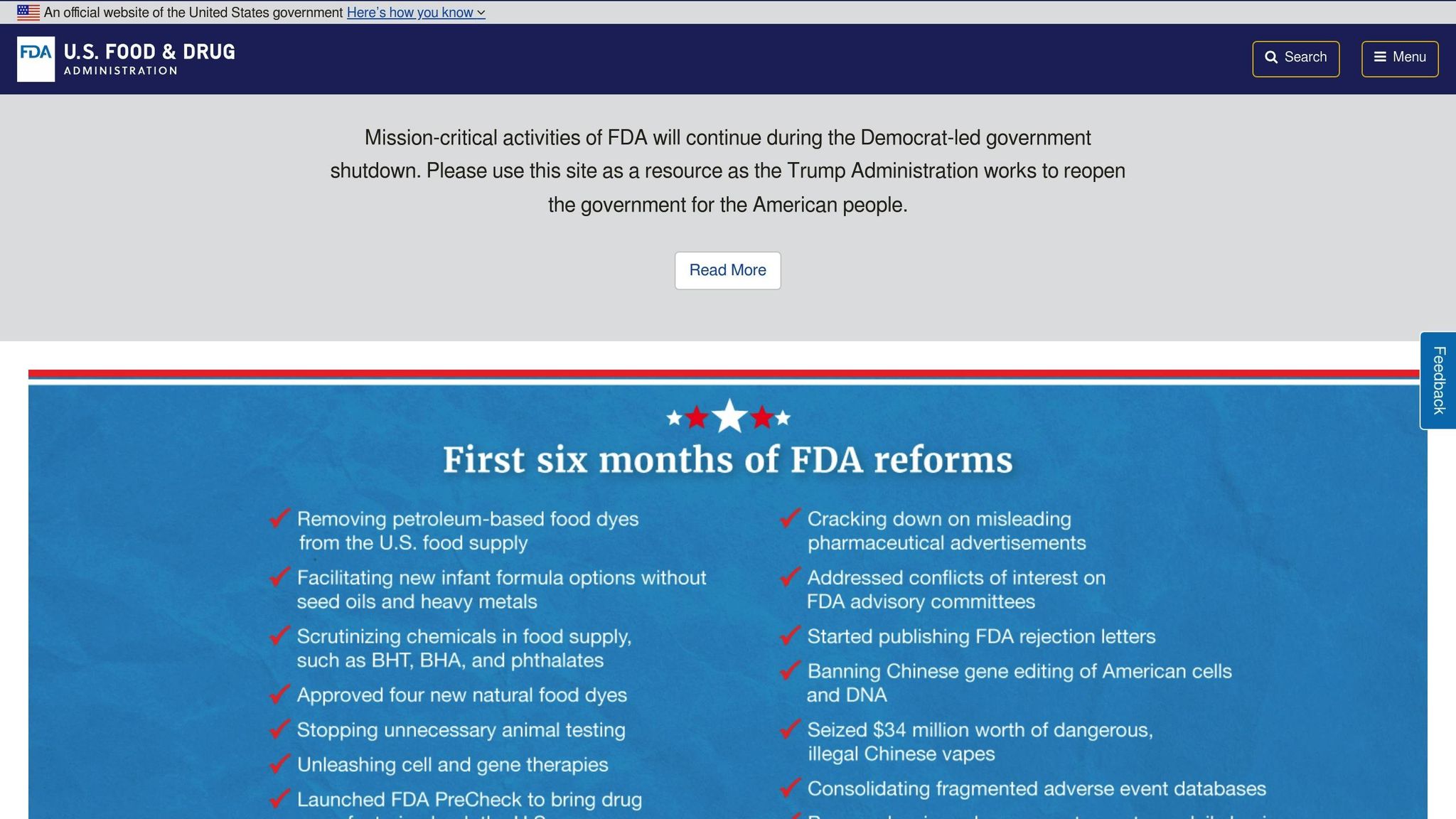
In the U.S., synthetic musks fall under a regulatory system that emphasizes post-market monitoring. This means manufacturers are responsible for ensuring their products are safe before they hit the market, while federal agencies oversee them once they’re available to consumers. Here’s how this framework operates.
FDA Regulations Overview
The Federal Food, Drug, and Cosmetic Act (FD&C Act) mandates that cosmetic products must be safe and properly labeled. However, the FDA does not require pre-market approval for fragrances containing synthetic musks. Instead, manufacturers are tasked with conducting their own safety testing and maintaining thorough documentation to substantiate product safety [5].
According to 21 CFR 701.3, cosmetic products must list ingredients in order of predominance. However, fragrance components – including synthetic musks – can be grouped under the generic terms "fragrance" or "parfum." This means consumers generally cannot identify specific ingredients like galaxolide or tonalide from product labels [3].
The FDA’s ability to enforce regulations is somewhat limited. The agency can only act after discovering that a product is misbranded or adulterated. It relies heavily on adverse event reports from consumers and healthcare providers rather than conducting comprehensive pre-market reviews [7]. Additionally, allergen labeling is only required for certain substances above specific thresholds, leaving many potential allergens in fragrances undisclosed.
EPA’s Role in Environmental Oversight
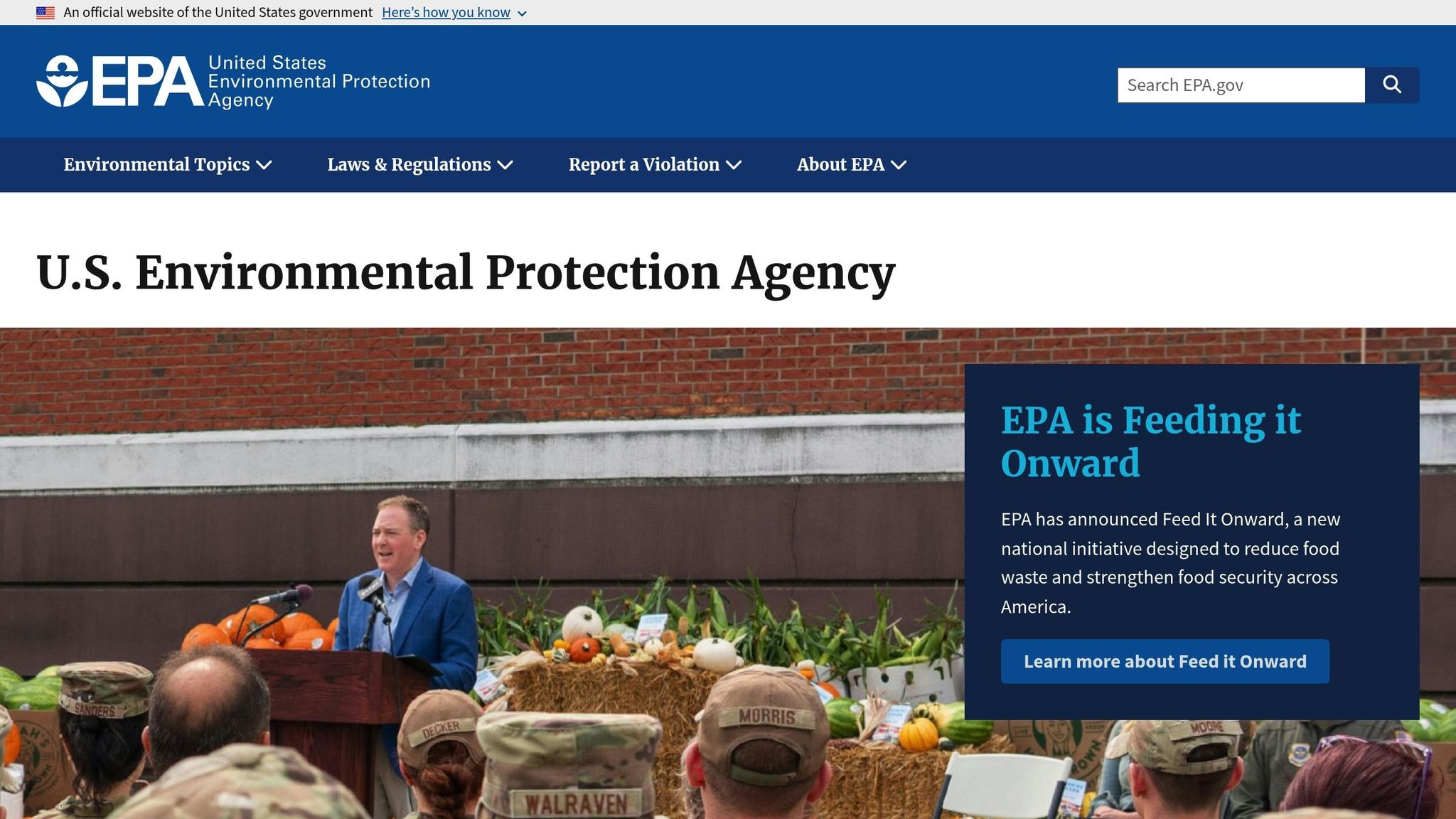
The Environmental Protection Agency (EPA) complements the FDA by addressing the environmental impact of synthetic musks, especially those that persist in ecosystems and bioaccumulate. The EPA has implemented stricter limits on bioaccumulative nitro-musks [1]. These measures aim to reduce the presence of synthetic musks in water systems and wildlife, addressing concerns about their environmental persistence and potential endocrine-disrupting effects.
Synthetic musks have been detected in human tissues, such as breast milk, body fat, and blood. Research has linked compounds like musk ketone and musk xylene in blood samples to gynecological issues, including ovarian failure and infertility [8].
The Importance of Supplier Documentation
Because the FDA does not conduct pre-market reviews, manufacturers rely heavily on supplier-provided documentation to ensure compliance. Essential records, such as Certificates of Analysis (COAs) and Safety Data Sheets (SDS), serve as proof that synthetic musk ingredients meet safety standards [1].
For example, Allan Chemical Corporation provides technical-grade synthetic musks along with comprehensive documentation. This helps manufacturers comply with FDA requirements and maintain consistency in product quality. Moreover, as state-level regulations become more stringent, the role of reliable suppliers becomes even more critical. California’s MUSK Reduction Act, effective January 1, 2027, will ban certain synthetic musks and impose strict concentration limits on others. This will require manufacturers to verify their ingredients meet these new standards [2].
This content is for informational purposes only. Always consult official regulations and qualified professionals when making sourcing or formulation decisions.
EU Regulatory Standards for Synthetic Musk
The European Union takes a precautionary approach to synthetic musk regulation, setting it apart from the FDA’s post-market monitoring system. Instead of addressing risks after products are already on the market, the EU requires thorough pre-market evaluations. This proactive framework emphasizes both consumer safety and environmental safeguards through detailed documentation and strict restrictions.
Key EU Regulatory Bodies and Standards
The REACH Regulation (Registration, Evaluation, Authorization, and Restriction of Chemicals) is the cornerstone of synthetic musk regulation across the European Union. Under REACH, manufacturers must submit comprehensive safety data, including chemical identities and toxicological profiles. Additionally, guidelines from the International Fragrance Association (IFRA) often go beyond legal requirements, providing an added layer of oversight [1].
Global agreements like the UNEP Stockholm Convention and the OSPAR Convention also shape EU policies. These agreements assess chemicals based on persistence, bioaccumulation, and toxicity – factors that directly influence how synthetic musks are regulated [1]. By aligning with these international standards, the EU reinforces its commitment to global environmental objectives.
Within the EU, national authorities in each member state enforce compliance through inspections and penalties for violations. Manufacturers are also required to maintain up-to-date safety documentation throughout the supply chain, ensuring traceability and the safe use of products [1]. These measures collectively underpin the EU’s stringent prohibitions and concentration limits for certain musk compounds.
Prohibited and Restricted Musk Compounds
Nitro musks, such as musk xylene and musk ketone, are banned within the EU due to their bioaccumulative and toxic properties. Polycyclic musks like galaxolide, while not banned, are subject to strict concentration limits [1][3].
The EU uses classifications under REACH to identify substances as persistent, bioaccumulative, and toxic (PBT) or very persistent and very bioaccumulative (vPvB). This system helps regulators restrict harmful compounds before they can cause widespread environmental harm [1].
To ensure compliance, the EU regularly updates its list of restricted substances based on new scientific findings. The RAPEX system (Rapid Alert System for dangerous non-food products) plays a key role in enforcement, issuing alerts and recalls for products that exceed legal limits for banned or restricted musks. These measures demonstrate the EU’s active commitment to chemical safety and consumer protection.
Ingredient Disclosure and Consumer Protection
The EU enforces stricter ingredient labeling requirements than the United States, requiring the disclosure of certain allergens and hazardous substances, including synthetic musks, when present above specific thresholds [5]. For example, EU regulations mandate the listing of 26 fragrance allergens if they exceed set thresholds [5]. In contrast, U.S. regulations often allow fragrance ingredients to be grouped under vague terms like "fragrance" or "parfum." This clear labeling system empowers consumers to make informed choices and helps individuals with sensitivities avoid harmful ingredients.
Beyond labeling, the EU requires mandatory safety assessments before products hit the market [1][5]. This contrasts with the U.S. system, which relies heavily on post-market monitoring and adverse event reporting. EU manufacturers must prove product safety through rigorous testing and documentation, rather than addressing issues only after they arise.
These regulations reflect the EU’s strong focus on consumer protection, recognizing the potential health risks of fragrance ingredients, such as allergic reactions and skin sensitization, especially with repeated use over time.
This content is for informational purposes only. Always consult official regulations and qualified professionals when making sourcing or formulation decisions.
sbb-itb-aa4586a
Side-by-Side Comparison: FDA vs. EU Rules for Synthetic Musk
The regulatory approaches of the U.S. and EU for synthetic musks are shaped by differing priorities, timelines, and enforcement strategies. While both aim to safeguard consumers and the environment, their methods reveal significant contrasts.
Key Regulatory Differences
One of the most striking differences lies in how each region handles pre-market approval. In the U.S., the FDA does not require pre-market approval for fragrances containing synthetic musks. Instead, manufacturers are tasked with ensuring their products are safe before they hit the shelves [6]. On the other hand, the EU operates under REACH (Registration, Evaluation, Authorization, and Restriction of Chemicals), which demands thorough safety data and pre-market registration for chemicals like synthetic musks before they can be sold [1].
Testing requirements also set the two apart. In the U.S., manufacturers are responsible for conducting safety evaluations, but there are no mandatory pre-market tests [6]. The EU, however, enforces strict protocols, requiring detailed assessments of bioaccumulation, persistence, and toxicity before any substance is approved for market entry [1][4].
When it comes to labeling, U.S. regulations allow companies to use broad terms like "fragrance" or "parfum" to describe synthetic musks, prioritizing trade secret protection but limiting consumer awareness [7]. In contrast, the EU mandates the disclosure of specific fragrance allergens and certain synthetic musks if their concentrations exceed established thresholds [5].
The two regions also differ in their stance on banned substances. The EU has completely banned nitro musks and imposed restrictions on others, such as musk xylene and tonalide, to reduce health and environmental risks [3][4]. In the U.S., there are relatively few federal bans on synthetic musks, though emerging state-level restrictions are beginning to complicate the regulatory landscape [2].
| Aspect | FDA (U.S.) | EU (REACH) |
|---|---|---|
| Pre-market Approval | Not required [6] | Required for hazardous substances [1][4] |
| Ingredient Disclosure | "Fragrance" listed generically [7] | Specific allergens must be listed [5] |
| Banned Compounds | Few federal bans [2] | Nitro musks banned/restricted [3][4] |
| Safety Testing | Manufacturer responsibility [6] | Mandatory with comprehensive data [1][4] |
| Environmental Oversight | EPA reviews bioaccumulation [1] | REACH requires environmental data [1] |
| Enforcement | Reactive surveillance [6][7] | Proactive measures [1][4] |
Enforcement practices highlight another key difference. In the U.S., agencies like the FDA and EPA primarily act after problems arise, relying on post-market surveillance and consumer complaints to identify issues [6][7]. Meanwhile, the EU takes a proactive stance. ECHA (European Chemicals Agency) can impose fines, restrict market access, or demand product recalls for non-compliance [1].
These distinctions also extend to how health risks are managed.
Health Risk Management Approaches
The U.S. and EU adopt contrasting strategies to manage health risks. The FDA focuses on post-market surveillance, requiring manufacturers to monitor adverse events and maintain safety records, but it does not mandate specific pre-market testing for issues like bioaccumulation or long-term toxicity [6]. The EPA, under the Toxic Substances Control Act, steps in to address environmental concerns [1].
In comparison, the EU prioritizes prevention. REACH requires detailed evaluations of persistence, bioaccumulation, and toxicity before chemicals can be marketed [1]. Substances identified as persistent, bioaccumulative, and toxic are either restricted or banned. For example, galaxolide (CAS No. 1222-05-5), a synthetic musk widely used in the U.S., is restricted in the EU due to its toxicity to aquatic life [9].
While U.S. manufacturers maintain general safety documentation for FDA audits, EU companies must submit comprehensive reports detailing chemical identities, toxicological profiles, and environmental impacts under REACH [1]. The EU also operates the RAPEX system, which enables rapid alerts and recalls for products that exceed legal limits for restricted musks [1]. This contrasts with the slower, reactive measures typically seen in the U.S.
For manufacturers, these differences mean navigating two distinct regulatory landscapes. Companies must tailor their safety protocols and documentation to align with the EU’s stricter requirements while also staying compliant with evolving state-level rules in the U.S. Building partnerships with suppliers familiar with both systems is critical to ensuring market access and maintaining product safety.
This content is for informational purposes only. Always consult official regulations and qualified professionals when making sourcing or formulation decisions.
Impact on Manufacturers and Suppliers
The differing regulatory frameworks of the FDA and the EU create complex challenges for companies working with synthetic musk-containing products. Navigating these distinct systems forces manufacturers to develop tailored compliance strategies and build strong supplier relationships to stay competitive.
Managing Regulatory Compliance
Manufacturers often need to implement dual systems to comply with both U.S. and EU regulations. For instance, the EU’s REACH standards demand rigorous pre-market documentation, while the FDA focuses on post-market surveillance. To meet these requirements, companies frequently conduct extensive testing that exceeds the standards of either region alone. This ensures they meet the strictest compliance expectations across markets.
Adding to this complexity is California’s MUSK Reduction Act, which will take effect on January 1, 2027. The law sets specific limits on musk ketone concentrations: 1.4% in fine fragrances, 0.56% in eau de toilette, and 0.042% in all other products. Manufacturers are already reformulating affected products to comply. Delays in reformulation can significantly impact market timelines – one fragrance company reported a six-month delay due to additional testing and regulatory reviews.
Quality control processes have also intensified. In the U.S., manufacturers focus on batch consistency and safety documentation for FDA audits. However, EU compliance requires a more detailed approach, including ingredient traceability, environmental assessments, and comprehensive safety data sheets. To simplify operations and reduce risks, many global manufacturers adopt the stricter EU standards across all markets.
Staying ahead of regulatory updates from agencies like the EPA, FDA, and EU REACH is crucial for maintaining compliance and avoiding disruptions.
Working with Trusted Suppliers
Given the complexity of synthetic musk regulations, partnering with reliable suppliers is more important than ever. Trusted suppliers not only provide high-quality raw materials but also offer guidance on navigating shifting compliance requirements. Without this expertise, companies risk regulatory setbacks and potential market access issues.
Allan Chemical Corporation serves as an example of the value of experienced suppliers in regulated industries. With over four decades of experience in pharmaceuticals, cosmetics, and other sectors, they offer technical-grade and compendial-grade synthetic musks along with detailed documentation. Their just-in-time delivery model helps manufacturers maintain lean inventories while avoiding supply chain interruptions.
In 2025, Allan Chemical Corporation played a key role in helping U.S. fragrance manufacturers reformulate products to meet new EPA and California standards. They supplied documentation-ready synthetic musks and provided regulatory insights, ensuring smooth transitions for their clients.
Impact on Product Development and Labeling
These regulatory and supplier strategies heavily influence both product formulation and labeling. Regional differences in regulations often require manufacturers to reformulate products for specific markets. For example, the EU bans nitro musks and imposes strict limits on compounds like musk xylene, compelling manufacturers to either create region-specific formulations or adopt ingredients that meet the highest standards globally.
Consumer trends further complicate ingredient selection. The rising demand for "clean beauty" and sustainable products has led manufacturers to prioritize biodegradable musks and ingredients with traceable purity.
Labeling requirements also vary by region. U.S. regulations allow manufacturers to use generic terms like "fragrance", which protects trade secrets but limits transparency. In contrast, EU rules mandate the disclosure of specific allergens and synthetic musks when concentrations exceed certain thresholds. To simplify global distribution, many companies adopt dual labeling systems or align with the more detailed EU standards across all markets.
These regulatory demands have extended product development timelines. While the FDA’s post-market surveillance approach allows U.S. products to reach the market more quickly, the EU’s pre-market documentation requirements under REACH can add months to development cycles. This necessitates early collaboration with suppliers to secure necessary documentation. The financial impact is notable, with reformulations to meet EU standards increasing costs by an estimated 15%. These expenses stem from ingredient substitutions, additional testing, longer development timelines, and the need for specialized regulatory expertise. Companies that invest early in compliance infrastructure often gain a competitive edge by responding more efficiently to regulatory changes.
This content is for informational purposes only. Always consult official regulations and qualified professionals when making sourcing or formulation decisions.
Conclusion: Key Points for Stakeholders
Navigating the regulatory environment for synthetic musk compounds presents unique challenges that require careful planning and adherence. Understanding these regulatory differences is essential for ensuring market access and maintaining consumer confidence on a global scale.
Managing Complex Regulatory Requirements
The contrasting approaches of the FDA and the EU create a dual compliance hurdle for manufacturers. The FDA’s post-market surveillance system allows for quicker product launches but demands ongoing monitoring and adjustments. On the other hand, the EU’s REACH framework requires thorough pre-market documentation and assessment, which can delay market entry but ensures a higher level of initial scrutiny. To simplify compliance, many companies opt to follow the EU’s stricter standards globally, ensuring uniformity across markets.
Adding to this complexity, California’s MUSK Reduction Act, set to take effect on January 1, 2027, imposes stringent concentration limits on synthetic musks. This legislation reflects a growing trend in the U.S. toward adopting EU-like restrictions, pushing manufacturers to reformulate products ahead of these deadlines [2].
Given these challenges, having dependable industry partners is crucial. Suppliers like Allan Chemical Corporation, with extensive experience in regulatory compliance, offer the support manufacturers need to successfully navigate both U.S. and EU requirements.
Final Thoughts on FDA vs. EU Rules
Regulatory shifts are driving changes in industry practices and sparking innovation. The EU’s proactive stance, including bans on nitro musks and restrictions on compounds like musk xylene, emphasizes long-term safety over market agility [3]. At the same time, the U.S. is gradually adopting stricter oversight, particularly for substances that are bioaccumulative or persistent.
Consumer preferences are also shaping these regulations. The rising demand for clean beauty and sustainable ingredients is pushing both manufacturers and regulators to prioritize biodegradable musks and improve supply chain transparency. Adapting to these trends is becoming a key part of compliance and product development strategies.
To thrive in this evolving landscape, companies must stay vigilant about regulatory changes at both the state and federal levels in the U.S., as well as updates to the EU’s REACH framework. Building strong compliance systems, fostering reliable supplier relationships, and investing in sustainable alternatives will be critical for long-term success in the synthetic musk market.
This content is for informational purposes only. Always consult official regulations and qualified professionals before making sourcing or formulation decisions.
FAQs
What are the main differences between FDA and EU regulations for synthetic musks in fragrances, and how do they affect manufacturers?
The FDA and the EU approach the regulation of synthetic musks in fragrances in notably different ways, creating distinct challenges for manufacturers. In the U.S., the FDA oversees fragrance ingredients under its broader cosmetic regulations, focusing on ensuring consumer safety. However, the responsibility for verifying the safety of products primarily falls on the manufacturers. Unlike some other substances, synthetic musks and other cosmetic ingredients are not pre-approved by the FDA before they hit the market.
The EU, on the other hand, enforces stricter regulations. Synthetic musks must comply with safety assessments mandated by the REACH regulation and the Cosmetic Products Regulation. In some cases, these substances are either restricted or outright banned due to concerns over their environmental impact, such as bioaccumulation, and potential hormonal effects.
For manufacturers, these differences mean that products often need to be adjusted depending on the target market. Companies aiming to sell in both regions must carefully navigate these regulatory landscapes to ensure compliance without compromising product quality or consumer satisfaction.
What are the differences between California’s MUSK Reduction Act and EU regulations on synthetic musk, and how do they affect U.S. manufacturers?
California’s MUSK Reduction Act and the European Union’s regulations both tackle the use of synthetic musk in fragrances, but they take different paths to address the issue. The EU operates under its REACH framework (Registration, Evaluation, Authorization, and Restriction of Chemicals), which prioritizes environmental protection and consumer safety. California’s approach, however, centers on minimizing harmful chemicals in products sold within the state, aligning with broader regulatory trends in the U.S.
For U.S. manufacturers, these differing standards often require changes in both product formulations and labeling. Meeting the EU’s stricter requirements while also adhering to California’s rules is essential for staying competitive in both markets. Keeping up-to-date with these regulations ensures businesses can navigate these complexities effectively.
Why are synthetic musks like musk xylene banned in the EU but still allowed in the U.S., and what are the health and environmental risks?
Synthetic musks, including musk xylene, face restrictions in the EU due to concerns about their long-term presence in the environment and their tendency to accumulate in living organisms. These traits can negatively impact aquatic ecosystems. Some research also points to potential health concerns, such as hormonal disruptions and allergic reactions.
In contrast, the U.S. takes a different regulatory approach. The FDA assesses fragrance ingredients under general safety guidelines but has not specifically banned synthetic musks like musk xylene. This difference underscores the contrasting strategies between the EU and the U.S., with the EU often erring on the side of caution when it comes to chemical safety.



Comments are closed