
Chemical compatibility is about safely storing chemicals to prevent hazardous reactions like toxic gas releases, fires, or explosions. Mismanagement can lead to severe accidents, endangering workers and communities. To ensure safety, chemicals must be categorized, segregated, and stored according to their properties and U.S. regulations.
Key points you need to know:
- Chemical Classifications: Includes Flammable Liquids, Corrosives, Oxidizers, Reactive Metals, and Toxic Substances. Each has specific storage needs to avoid dangerous interactions.
- Safety Data Sheets (SDS): Essential for understanding chemical hazards, storage conditions, and incompatibilities.
- Segregation Practices: Store acids and bases separately, isolate oxidizers from combustibles, and use physical barriers like specialized cabinets or containment systems.
- U.S. Regulations: OSHA, EPA, and NFPA provide strict guidelines for labeling, ventilation, spill prevention, and fire safety.
Using tools like SDS and compatibility charts, combined with proper training and clear labeling, helps reduce risks and ensures compliance with safety standards. Safe storage isn’t just about organization – it’s about protecting lives and the environment.
Storing Chemicals Based on Compatibility
Chemical Classification for Safe Storage
Sorting and storing chemicals correctly is crucial to avoid dangerous reactions and ensure a safe work environment. Using standardized hazard classifications helps make informed decisions about storage, handling, and grouping practices.
Chemical Hazard Classes Explained
Chemical hazard classes highlight the primary risks associated with substances during storage and handling. Each class has specific traits that dictate how and where chemicals should be stored, as well as which substances can safely be kept near one another.
- Flammable Liquids: Substances like acetone, ethanol, and toluene ignite easily. Store them in approved flammable cabinets, away from heat sources and oxidizers. The flash point, or the lowest temperature at which vapors can ignite, determines specific storage needs.
- Corrosives: Acids and bases such as sulfuric acid, hydrochloric acid, sodium hydroxide, and potassium hydroxide can damage materials and tissues. To prevent heat buildup or explosive reactions, store acids and bases separately.
- Oxidizers: Chemicals like hydrogen peroxide, potassium permanganate, and sodium hypochlorite can intensify fires by fueling combustion. Keep these substances isolated from flammable materials and reducing agents.
- Reactive Metals: Metals such as sodium, potassium, and lithium react violently with water, producing hydrogen gas and heat. These materials require special storage – often under inert atmospheres or in mineral oil – and must remain completely dry.
- Toxic Substances: Toxic chemicals pose health risks through inhalation, skin contact, or ingestion. While toxicity doesn’t always dictate compatibility, these materials often need extra containment and separation to avoid cross-contamination.
How to Use Safety Data Sheets (SDS)
Safety Data Sheets (SDS) are essential tools for classifying and safely storing chemicals. These comprehensive, 16-section documents – formerly known as Material Safety Data Sheets – follow the UN Globally Harmonized System of Classification and Labeling of Chemicals (GHS).
- Section 2: Hazard(s) Identification outlines the chemical’s risks, including signal words, hazard statements, and pictograms.
- Section 10: Stability and Reactivity lists reactivity hazards, incompatible materials, and conditions to avoid, providing guidance for segregation and storage.
- Section 7: Handling and Storage offers recommendations on ventilation, temperature, and handling of incompatible substances.
- Section 9: Physical and Chemical Properties includes key details like flash point and pH, helping identify the need for specialized storage solutions such as flammable cabinets or climate-controlled areas.
- Section 3: Composition/Information on Ingredients is critical for chemical mixtures, listing hazardous components that influence the overall hazard profile.
Chemical Grouping Best Practices
Once hazards are identified using SDS, group chemicals to ensure compatibility. Proper grouping minimizes risks and promotes safe storage.
- Group by Primary Hazard Class: Store similar hazard classes together. For example, flammable liquids should go in flammable storage cabinets, while corrosive acids and bases should be kept in separate designated areas to prevent accidental mixing.
- Prioritize Multi-Hazard Chemicals: For chemicals with multiple hazards, prioritize the most severe hazard. For instance, a pyrophoric substance should be stored following pyrophoric protocols, even if it has other dangerous properties.
- Check Compatibility Within Groups: Even within the same class, not all chemicals are compatible. For example, some acids may react with one another, and certain oxidizers can cause reactions under specific conditions.
- Use Buffer Zones: Physical barriers or designated zones can separate incompatible chemical groups. Resources like National Fire Protection Association guidelines can help determine safe separation distances.
- Account for Quantity and Labeling: Larger quantities of chemicals may require different storage strategies than smaller amounts. Clearly label storage areas with hazard classifications, maintain up-to-date inventories, and document your grouping system to ensure everyone understands the storage logic.
Allan Chemical Corporation supplies high-quality raw materials with complete, up-to-date Safety Data Sheets. Their offerings support safe handling across industries such as ceramics, cosmetics, food and beverages, fragrances, and pharmaceuticals.
This content is for informational purposes only. Always consult official regulations and qualified experts for decisions regarding chemical storage and handling.
How to Segregate Incompatible Chemicals
Proper segregation of incompatible chemicals is crucial to prevent dangerous reactions, including fires, explosions, toxic gas emissions, and corrosive damage. By following established safety practices and using physical barriers, you can create multiple layers of protection in your storage facility.
Segregation Guidelines by Chemical Type
Each chemical class has specific reactive properties, requiring careful separation to reduce risks. Here are some general rules to follow:
- Acids and Bases: Always store acids and bases separately to avoid violent reactions.
- Flammable Solvents: Keep flammable solvents in well-ventilated, temperature-controlled areas, away from heat sources and oxidizers.
- Oxidizers: Store oxidizing agents away from combustible materials. Use storage areas with environmental monitoring to prevent decomposition or other hazardous conditions.
- Reactive Metals: These require strict segregation. Store them in conditions that minimize exposure to moisture and incompatible substances to reduce their reactivity.
- Water-Reactive Chemicals: Use moisture-proof containers and keep these chemicals away from water-based suppression systems.
Physical Separation Techniques
In addition to grouping and labeling chemicals properly, physical barriers play a key role in enforcing segregation:
- Secondary Containment: Use chemical-resistant containers or designated areas to manage spills and leaks effectively.
- Specialized Storage Cabinets: Cabinets designed for specific hazards, such as flammable or corrosive materials, provide controlled environments with safety features like self-closing doors and ventilation.
- Storage Rooms: For larger quantities or highly incompatible chemicals, dedicated storage rooms with independent ventilation systems and fire-rated barriers offer enhanced safety. These rooms should include fire suppression systems tailored to the specific hazards.
- Distance and Barriers: Follow safety codes and manufacturer recommendations to determine proper separation distances. When space is tight, fire-rated walls, spill containment systems, or other physical barriers can help ensure safe storage conditions.
Training and Awareness for Staff
Proper chemical storage isn’t just about layout – it also depends on well-trained personnel who can uphold segregation standards:
- Training Programs: Offer both initial and ongoing training on chemical classification, hazard identification, and interpreting Safety Data Sheets (SDS). Include practical exercises in labeling and handling.
- Early Recognition and Response: Teach staff to identify signs of storage issues, such as container wear or unexpected chemical changes, and respond appropriately by reporting concerns or initiating emergency measures.
- Clear Documentation: Maintain up-to-date chemical inventories, standardized labeling, and effective communication channels to support consistent safety practices. This aligns with U.S. safety regulations and complements chemical compatibility guidelines.
Allan Chemical Corporation provides detailed Safety Data Sheets and technical support to help customers implement safe segregation practices. Their dedication to reliable chemical properties ensures safer storage and handling for a range of industries.
This material is for informational purposes only. Always consult official regulations and qualified professionals before making decisions about chemical storage or sourcing.
sbb-itb-aa4586a
Chemical Storage Tools and Best Practices
Storing chemicals safely isn’t just about having the right containers – it’s about using the right tools and procedures to make informed decisions. One of the most useful tools for this purpose is a chemical compatibility chart, which helps identify how different materials interact with specific chemicals.
How to Use Chemical Compatibility Charts
Chemical compatibility charts are designed to simplify storage decisions. They list chemicals alphabetically and pair them with various storage materials in a grid format, making it easy to assess compatibility at a glance.
These charts often use a rating system to indicate how a material reacts to a given chemical:
- A Excellent: The material remains stable with no noticeable effects.
- B Moderate Effect: Some minor changes, like slight corrosion or discoloration, may occur but with minimal impact on the material’s integrity.
- C Partial Chemical Attack/Absorption: The material may swell or degrade over time, so exposure should be limited.
- D Severe Effect: Significant damage occurs immediately, making the combination unsuitable for storage.
"Chemical compatibility charts are key tools for ensuring safe interaction between chemicals and materials, using a rating system from ‘A Excellent’ to ‘D Severe Effect’ to guide storage and handling practices." – Atlas Fibre [1]
While these charts are helpful, it’s important to factor in temperature and chemical concentration, as both can influence compatibility. Most charts assume standard conditions of about 70°F (21°C). If your storage environment differs, you’ll need to adjust your interpretation accordingly. Additionally, these ratings are typically derived from short-term exposure tests, usually lasting 48 hours. Long-term suitability should be verified for your specific application.
"Compatibility chart ratings are based on short-term exposure, typically 48 hours, and do not guarantee long-term suitability. The information on chemical compatibility charts is not assured for accuracy or completeness, making personal validation of this information under application-specific conditions crucial." – Atlas Fibre [1]
When using the chart, compare compatibility ratings across all materials for the chemicals you plan to store. If two chemicals have the same rating for all materials, they can typically share the same secondary containment system. However, if the ratings differ, you’ll need to explore alternative storage solutions to ensure safety.
U.S. Regulatory and Quality Standards
Chemical storage in the U.S. is governed by a mix of federal, state, and local regulations designed to safeguard both workers and the environment. Beyond the basics of proper storage, compliance with these rules is critical to maintaining a safe and efficient chemical handling process. These guidelines also address broader compliance needs and specific industry requirements.
Key U.S. Chemical Storage Regulations
The Occupational Safety and Health Administration (OSHA) mandates accurate Safety Data Sheets (SDS), proper labeling, and appropriate segregation of hazardous chemicals. Complementing OSHA’s requirements, the Environmental Protection Agency (EPA) enforces regulations on hazardous waste management and accident prevention. Additionally, organizations like the National Fire Protection Association (NFPA) provide detailed technical standards, covering essential aspects such as ventilation, fire suppression systems, and separation distances for different chemical types.
Industry-Specific Standards Requirements
Compliance needs vary widely depending on the industry. For example:
- Pharmaceuticals: Companies adhere to United States Pharmacopeia (USP) standards to ensure the purity and potency of their products.
- Food and Beverage: Compliance with the Food Chemicals Codex (FCC) is necessary to meet safety and quality benchmarks.
- Cosmetics: Standards from the American Chemical Society (ACS) and National Formulary (NF) are vital for ensuring product safety.
- Religious Dietary Requirements: Kosher and Halal certifications help businesses meet consumer expectations for dietary compliance.
Meeting these standards often involves implementing detailed processes and systems to ensure ongoing compliance.
How Allan Chemical Corporation Ensures Compliance
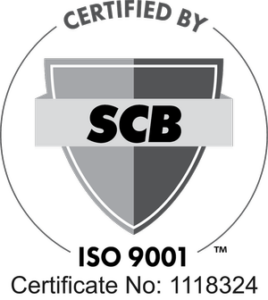
Allan Chemical Corporation takes a structured approach to meet and often exceed regulatory requirements. Their commitment to quality is supported by robust systems and thorough documentation.
"At AllanChem, many of our products conform to, or exceed, the latest compendia of quality standards. These include but are not limited to ACS, USP, NF, FCC, Kosher and Halal." – Allan Chemical Corporation [2]
A dedicated Regulatory Document Coordinator manages all compliance-related paperwork, providing customers with essential documents like Safety Data Sheets and Certificates of Analysis. For businesses with specialized needs, Allan Chemical Corporation offers tailored solutions to address specific regulatory demands. Their product stewardship policies ensure that all handling, storage, transport, and disposal activities align with applicable regulations and manufacturer guidelines, promoting safety across the supply chain.
This comprehensive regulatory framework not only ensures proper chemical storage but also supports the systematic approach to chemical compatibility discussed earlier.
This content is for informational purposes only. Always consult official regulations and qualified professionals before making sourcing or formulation decisions.
Conclusion
Safe chemical storage requires a clear understanding of compatibility and systematic segregation to prevent dangerous reactions. When incompatible substances are stored together, the consequences can range from minor damage to severe accidents.
Safety Data Sheets (SDS) and chemical compatibility charts are key tools for making informed storage decisions. SDS provide detailed information on handling, storage, and potential incompatibilities in a standardized format [3][4][6]. Compatibility charts, on the other hand, offer a quick reference for checking chemical interactions, complementing the in-depth data found in SDS [4][5]. Together, these tools help ensure chemicals are stored safely and efficiently.
Regular training is equally important for maintaining safe storage practices. Employees need to understand hazard symbols, interpret SDS data accurately, and follow segregation protocols. These skills are essential for minimizing risks and managing chemicals responsibly in any workplace.
Proper chemical storage relies on a combination of technical knowledge, reliable tools, and consistent procedures. By using SDS and compatibility charts, maintaining strict segregation practices, and providing ongoing staff training, organizations can build multiple layers of safety. This approach not only reduces the risk of incidents but also simplifies daily operations and ensures compliance with regulations.
At Allan Chemical Corporation, we uphold these practices as part of our commitment to safe and regulation-compliant chemical handling, meeting the highest U.S. standards.
This content is for informational purposes only. Always consult official regulations and qualified professionals before making sourcing or formulation decisions.
FAQs
What are the best practices for safely storing chemicals and keeping incompatible substances separate?
To ensure the safe storage of chemicals and reduce the risk of dangerous reactions, it’s crucial to separate incompatible substances based on their hazard classes – such as flammables, oxidizers, acids, and bases. Avoid organizing chemicals alphabetically or by their physical state; instead, prioritize their chemical properties and how they might react with one another.
Each group should be stored in dedicated, clearly labeled areas using approved safety containers or cabinets. These storage spaces must be secure, stable, well-ventilated, and located away from ignition sources or incompatible materials. Regular inspections of these areas are essential to maintain safety and meet regulatory standards. By following these practices, you can create a safer environment for handling and storing chemicals.
How can I use Safety Data Sheets (SDS) to determine safe storage conditions for chemicals?
Safety Data Sheets (SDS) play a critical role in maintaining safe chemical storage practices. These documents offer detailed insights into a chemical’s hazards, reactivity, and compatibility, making it easier to determine which substances can safely share storage space and which need to be separated. Pay particular attention to Section 7: Handling and Storage and Section 10: Stability and Reactivity for this information.
Using an SDS, you can identify key storage guidelines, including temperature limits, ventilation requirements, and measures to prevent dangerous reactions. Following these recommendations reduces the risk of incidents like fires, explosions, or chemical spills, ensuring a safer environment for managing and storing chemicals.
What are the main U.S. regulations for chemical storage, and how can businesses stay compliant?
In the United States, the storage of chemicals falls under the watchful eye of OSHA, particularly through standards like 29 CFR 1910.101. This regulation outlines the safe handling and storage of compressed gases, requiring that cylinders be stored upright, securely fastened, and kept away from heat sources or incompatible materials. OSHA also stresses the importance of keeping storage areas free from hazards, clutter, and fire risks.
To stay compliant and promote safety, businesses should adopt practices such as:
- Organizing chemicals based on their compatibility to prevent dangerous reactions.
- Ensuring proper ventilation in storage spaces to reduce the buildup of harmful fumes.
- Securing containers to minimize the risk of spills or accidents.
- Performing regular safety audits and inspections to identify potential issues.
- Maintaining clear, accurate labeling and up-to-date documentation for all stored chemicals.
Following these steps not only helps businesses align with OSHA standards but also fosters a safer and more efficient workplace.
Related posts
- High‑Purity Ammonium Nitrate for Labs & Pharma: Quality, Storage, Applications
- Ammonium Thiocyanate: Photographic Fixer, Chemical Synthesis & Compliance Tips
- Moisture Control With Calcium Chloride Dihydrate – Grades, Uses & Handling
- NF‑Grade DEP for Pharma & Personal Care: Quality Demands & Use Restrictions


Comments are closed