
ISO standards help U.S. manufacturers in regulated industries like pharmaceuticals, food, and cosmetics ensure consistent quality, safety, and compliance when sourcing chemicals. These standards provide clear, structured frameworks for managing risks, improving supplier performance, and meeting regulatory requirements. Key standards include:
- ISO 9001: Focuses on quality control, ensuring consistent product specifications and traceability.
- ISO 14001: Addresses environmental impacts, requiring controls for emissions, waste, and resource use.
- ISO 45001: Targets worker safety, emphasizing hazard identification and emergency preparedness.
- ISO/IEC 17025: Ensures accuracy in laboratory testing and calibration.
- ISO 50001: Promotes energy efficiency in chemical production.
ISO 9001 Clause 8.4.1 Explained – Purchasing – Part 1
Main ISO Standards for Chemical Sourcing
ISO standards have become indispensable for U.S. chemical buyers, offering a structured way to qualify suppliers, ensure compliance with regulations, and manage risks. These standards provide a globally recognized framework that simplifies supplier evaluation, streamlines audits, and aligns with OSHA and EPA requirements [2][4]. Instead of creating custom evaluation criteria for each supplier, procurement teams can use these standards to confirm that essential controls are in place.
The most impactful standards in chemical sourcing address quality, environmental considerations, worker safety, laboratory accuracy, and energy efficiency throughout the supply chain [1][3]. Together, they create a well-rounded approach to supplier management that goes beyond just meeting product specifications. For industries like pharmaceuticals, food, cosmetics, and electronics, these standards have shifted from being optional to becoming essential for sourcing decisions. Below, we break down the key ISO standards and their practical applications.
ISO 9001: Quality Management Systems
ISO 9001 outlines a process-driven framework for managing quality across an organization’s operations. Suppliers adhering to this standard must maintain documented procedures, process controls, and corrective actions, ensuring traceability for batch quality, deviations, and performance trends [3][4].
This standard changes how procurement teams assess supplier performance. Buyers can develop supplier scorecards based on metrics like nonconformances, on-time deliveries, and complaint resolution times. Additionally, they can require suppliers to notify them of production changes or material substitutions through change-control processes as part of purchase and quality agreements.
Adopting ISO 9001 can lead to significant financial benefits. For example, Greenville Colorants reported annual gains exceeding $200 million from improved process controls and material management [7]. Similarly, a petrochemical producer’s high-density polyethylene plant saved approximately $9.4 million annually – about 3% of its yearly sales revenue – by improving off-spec product control and process reliability through standardized practices [10].
For U.S. buyers in industries regulated by the FDA, such as pharmaceuticals, food, and cosmetics, ISO 9001 aligns with the structured and documented approach these frameworks demand. Its focus on risk-based thinking, process validation, and corrective actions supports supplier control and traceability, making it easier to meet regulatory requirements during inspections [2][3].
ISO 14001: Environmental Management Systems
ISO 14001 provides a systematic approach to identifying and managing environmental impacts in chemical production and sourcing. It requires organizations to assess environmental aspects like emissions, waste, and effluents, set measurable objectives, and comply with environmental laws [1][3]. For procurement teams, this means they can integrate specific environmental performance criteria into supplier contracts.
This standard aligns with EPA guidelines for pollution prevention and waste reduction. Buyers can prioritize suppliers that actively track and improve metrics such as hazardous waste generation, solvent emissions, and water usage. Procurement teams often request certificates, EMS scope details, and recent audit findings as part of supplier qualification processes [1][3].
ISO 14001 also supports collaborative improvement projects. Procurement and EHS teams can work with suppliers to redesign packaging, reduce transport-related emissions, or switch to less hazardous substances, documenting these initiatives within the EMS framework [1][9]. This turns environmental management into an ongoing partnership focused on measurable results.
Many buyers in regulated industries now view ISO 14001 as a baseline requirement for chemical suppliers, particularly when sourcing materials for applications involving environmental claims or sustainability reporting [5][8].
Additional ISO Standards (ISO 45001, ISO 17025, ISO 50001)
Other ISO standards complement quality and environmental management by addressing specific supplier capabilities:
- ISO 45001 focuses on workplace safety, requiring robust systems for hazard identification, employee training, and emergency response. Buyers can factor safety performance into supplier evaluations [2][3].
- ISO/IEC 17025 sets competence standards for testing and calibration laboratories. It ensures that analytical results for purity, identity, and impurities are reliable and traceable. Procurement teams can specify that critical tests, such as those for active pharmaceutical ingredients or food-grade additives, be conducted by ISO 17025–accredited labs to ensure accuracy [3][7].
- ISO 50001 provides a framework for improving energy efficiency. This is especially relevant in energy-intensive chemical production, as it requires organizations to set energy baselines, establish targets, and demonstrate measurable improvements. Buyers working with ISO 50001–certified suppliers can achieve sustainability goals while benefiting from cost stability and reduced energy-related risks [3].
Across the chemical industry, ISO 9001, ISO 14001, and ISO 45001 are increasingly seen as a unified framework addressing quality, environmental impact, and worker safety [5][11]. Procurement teams often use risk-based models to assign higher ISO expectations to critical or high-risk materials. For example, strategic suppliers might need both ISO 9001 and ISO 14001 certifications, while testing partners must demonstrate ISO 17025 accreditation [1][2].
For U.S. buyers managing just-in-time delivery or consolidating suppliers, selecting partners with strong ISO-based systems offers clear advantages. Suppliers with robust ISO 9001 and ISO 14001 frameworks can meet strict regulatory and documentation demands while maintaining flexibility in inventory and lead times for industries like pharmaceuticals, food, cosmetics, and advanced manufacturing [1][4]. These standards are not just certifications – they are practical tools that enhance operational efficiency and regulatory compliance throughout the supply chain.
This content is for informational purposes only. Always consult official regulations and qualified professionals before making sourcing or formulation decisions.
How ISO Standards Affect Supplier Performance: Research Data
Studies indicate that ISO-certified chemical suppliers often deliver measurable improvements in performance. These benefits include better product quality, consistent delivery, and readiness for regulatory compliance. For industries like pharmaceuticals, food, cosmetics, and electronics, where supply chains are complex, these performance gains can reduce operational risks and lower overall costs.
However, while ISO certifications bring clear advantages in areas like process control and documentation, they are not a guarantee of superior performance. Procurement teams must balance the strengths and limitations of ISO standards, focusing on the supplier’s actual operational capabilities rather than relying solely on certification status.
Performance Improvements from ISO Certifications
ISO certification often leads to tangible improvements across several key areas. For example, ISO 9001 provides a framework for systematic controls, which enhances reliability and builds customer confidence [6]. These benefits help reduce production delays and ensure compliance with customer specifications, making certified suppliers highly desirable in regulated industries.
One major advantage is product consistency and defect reduction. Suppliers with ISO-certified Quality Management Systems (QMS) have tighter control over batch-to-batch variation through standardized procedures, calibrated equipment, and systematic quality checks. This consistency is vital for meeting regulatory standards and ensuring customer satisfaction, particularly in industries with strict oversight [4]. By identifying and addressing product risks, certified suppliers help minimize customer complaints, product recalls, and warranty claims [3].
Another benefit is operational efficiency and process optimization. ISO standards reduce variability in processes, ensuring consistent product quality and predictable supply chain performance. Certified suppliers often streamline operations and cut waste, which supports more reliable delivery schedules [4].
Regulatory compliance and audit readiness are also enhanced. Suppliers with certifications like ISO 9001, ISO 14001, and ISO 45001 can demonstrate compliance with legal and industry-specific requirements, reducing the risk of violations [1][3]. This is particularly valuable in sectors like pharmaceuticals and food manufacturing, where rigorous quality and safety standards are non-negotiable.
ISO certification also promotes transparency through standardized management systems and third-party audits [1]. By maintaining detailed records and procedures, certified suppliers allow procurement teams to verify compliance and assess risks effectively [3][4].
Lastly, ISO certification strengthens market access and competitive positioning. Certified suppliers gain international recognition, making it easier to enter new markets and secure contracts with foreign partners who require ISO compliance [4]. This is especially important for specialty chemical providers serving regulated industries. Certification boosts credibility, enhances stakeholder confidence, and often translates into more contracts and sales opportunities [5].
Challenges and Limits of ISO Certifications
Despite the benefits, implementing and maintaining ISO certifications comes with challenges. For chemical suppliers, the process can be resource-intensive, particularly for smaller manufacturers [3]. Understanding these challenges is key for making informed decisions about supplier selection and process improvement.
One major hurdle is implementation costs and resource demands. Adopting multiple ISO standards, such as ISO 9001, ISO 14001, and ISO 45001, requires significant investment in documentation systems, employee training, and regular audits. These demands can strain budgets and delay certification timelines, especially for small and medium-sized enterprises [7].
The costs don’t end after certification. Maintaining ISO standards requires ongoing internal audits, updated documentation, corrective actions, and periodic recertification. These recurring expenses demand continuous management commitment, which can divert resources from other priorities like product innovation or capacity expansion.
Another issue is varying implementation rigor. Not all ISO-certified suppliers apply the standards with the same level of commitment, leading to inconsistent outcomes. High-performing suppliers often go beyond basic compliance, focusing on continuous improvement to achieve better reliability, product quality, and regulatory adherence [3][4].
The balance between documentation and operational improvement is another challenge. Some suppliers prioritize maintaining detailed records over making meaningful operational changes. While ISO standards encourage evidence-based decision-making and continuous improvement, the quality of implementation varies widely. To maximize benefits, organizations should use these standards to refine processes rather than treating certification as a mere formality [7].
The limited scope of certification is also a concern. Certifications often apply to specific facilities, product lines, or processes, rather than the entire organization. For example, a supplier might have ISO 9001 certification for one plant while other facilities remain uncertified. This makes it essential for procurement teams to verify that certifications cover the specific products or services they require. Additionally, since ISO standards focus on management systems rather than technical specifications, buyers must assess technical capabilities through product testing and performance history.
Lastly, audit frequency and oversight gaps can limit real-time visibility into supplier performance. Third-party audits are typically conducted annually or every three years, leaving room for performance fluctuations between audits. While internal audits can help fill this gap, their effectiveness depends on the supplier’s commitment and the competence of their auditors. To address this, procurement teams should combine periodic audit reviews with ongoing performance monitoring to ensure consistent compliance and reliability.
sbb-itb-aa4586a
Regulatory Compliance and Risk Management Through ISO Standards
ISO standards serve as organized frameworks that help businesses align with OSHA and EPA regulations. For companies involved in chemical sourcing or handling, these systems establish documented processes and controls that seamlessly integrate compliance into daily operations. Instead of viewing compliance as a separate task, ISO-certified organizations weave regulatory requirements into their workflows, ensuring they’re always prepared for inspections.
For instance, ISO 9001 quality management systems promote consistent controls, effective change management, and traceability – all critical for meeting OSHA and EPA standards. Similarly, ISO 14001 environmental management systems help organizations identify environmental risks, maintain legal records, and implement operational controls to meet EPA permitting and reporting requirements. Together, these systems reduce the risk of violations, fines, and enforcement actions while strengthening the reliability of chemical supply chains.
Lowering Risks in Chemical Sourcing
Chemical sourcing comes with a variety of risks, including quality issues, environmental hazards, worker safety concerns, and documentation lapses. ISO-certified management systems tackle these challenges by introducing structured procedures, detailed work instructions, and regular internal audits across the supply chain. This approach leads to fewer quality defects, better hazardous material management, and clearer compliance records during inspections.
Quality issues are among the most frequent challenges in chemical sourcing. Problems like off-spec materials, contamination, mislabeled containers, or inconsistent product quality can disrupt production, trigger customer complaints, and lead to expensive recalls. ISO 9001 helps mitigate these risks by requiring structured supplier evaluations, documented change controls, and traceability. U.S. buyers often rely on supplier scorecards to track performance metrics like on-time delivery, lot rejection rates, and regulatory documentation accuracy, ensuring materials meet OSHA and EPA standards.
Environmental, health, and safety (EHS) incidents pose serious risks to workers, communities, and the environment. Issues such as spills, emissions, improper waste disposal, or unsafe storage conditions can lead to regulatory penalties, legal liabilities, and damage to a company’s reputation. ISO 14001 and ISO 45001 guide organizations in identifying environmental risks and EHS hazards, assessing their impact, and implementing controls and emergency preparedness measures. Sourcing from suppliers certified to these standards often results in better waste management, safer material handling, improved incident reporting, and stronger compliance with OSHA and EPA guidelines.
Documentation gaps are another common risk, especially during regulatory inspections or audits. Missing certificates, outdated data, or poor traceability can compromise compliance and expose companies to liability. ISO 9001 and ISO 14001 address these issues by establishing clear procedures for managing records, including raw material testing, hazardous material storage, incident reporting, and change management. These systems ensure that documentation is accurate and readily available, expediting inspections and reducing the likelihood of citations.
The table below highlights how different ISO standards address key risks in chemical sourcing:
| Risk Category | Relevant ISO Standard(s) | Risk Mitigation Benefit |
|---|---|---|
| Quality issues (e.g., contamination, variability) | ISO 9001 | Supplier qualification, clear specifications, and corrective action processes minimize nonconforming materials. |
| Environmental compliance (e.g., spills, emissions) | ISO 14001 | Identifying environmental risks and implementing controls lowers the chances of EPA violations and fines. |
| Worker safety incidents with chemicals | ISO 45001 | Hazard identification, safety training, and operational controls reduce OSHA-recordable incidents. |
| Documentation gaps during audits | ISO 9001, ISO 14001, ISO 45001 | Improved record-keeping and internal audits ensure accurate and accessible documentation for regulators. |
| Supplier reliability and supply continuity | ISO 9001, ISO 14001 | Structured supplier evaluations and standardized processes improve supply chain consistency and reliability. |
ISO standards also promote the use of risk assessment tools like risk matrices, aspect-impact analyses, and Failure Mode and Effects Analysis (FMEA). These tools help teams evaluate chemical formulations, packaging options, and suppliers, leading to risk-based approval criteria and mitigation plans. Measures such as secondary containment, specialized labeling, or dual sourcing can then be implemented to reduce risks and maintain compliance with federal regulations.
Meeting Regulatory Requirements with ISO Systems
ISO-certified systems simplify compliance by standardizing documentation and operational controls. Organizations with well-established ISO processes maintain readiness through documented procedures, regular audits, corrective actions, and management reviews, which improve inspection outcomes and boost regulatory confidence.
For chemical operations, OSHA regulations focus on process safety, hazard communication, worker protection, and safe handling of hazardous substances. ISO 9001 supports these requirements through consistent quality controls, robust change management, and detailed traceability. Meanwhile, ISO 45001 ensures systematic hazard identification, risk assessments, and control measures, embedding safety practices like enhanced training, incident reporting, and corrective actions into daily operations.
EPA regulations oversee hazardous waste, air emissions, toxic release reporting, and environmental permitting. ISO 14001 helps organizations address these requirements by identifying environmental risks, understanding legal obligations, and implementing appropriate controls. Regular reviews of environmental risks and legal registers ensure alignment with EPA standards.
The comprehensive documentation required by ISO systems is especially valuable during inspections and audits. Procedures for receiving and testing raw materials, hazardous material storage, incident reporting, and training logs provide clear evidence of compliance to regulators, customers, and auditors.
U.S. chemical buyers can further strengthen compliance by integrating ISO requirements into supplier contracts, audits, and performance KPIs. Contracts can include clauses mandating ISO 9001 and ISO 14001 certifications, regular audit summaries, and prompt reporting of nonconformities. Performance metrics, such as on-time delivery of compliant materials, documentation accuracy, and incident response times, can then be used to monitor supplier performance and ensure alignment with regulatory expectations.
Industries like pharmaceuticals, food, cosmetics, and electronics – where supply chains are complex and regulations are stringent – benefit significantly from working with ISO-certified chemical suppliers. By maintaining consistent safety data sheets, accurate product labeling, and robust traceability practices, these suppliers help reduce compliance risks and avoid supply disruptions.
ISO-Certified Sourcing Practices at Allan Chemical Corporation
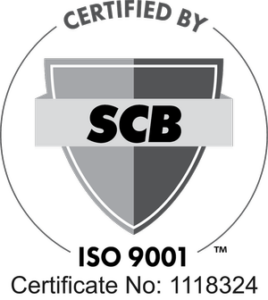
Allan Chemical Corporation has built its sourcing practices on the foundation of ISO standards, using them as a roadmap for supplier performance and risk management. For over four decades, the company has tailored its approach to align with ISO 9001 for quality management and ISO 14001 for environmental management. These systems guide every phase of their process – from evaluating suppliers to delivering technical- and compendial-grade chemicals – ensuring traceability, consistent quality, and compliance with U.S. regulations.
Using ISO Certification for Reliable Sourcing
Allan Chemical employs a rigorous, structured process to vet its suppliers, following the risk-based strategies outlined in its quality management system. New suppliers undergo a comprehensive review, which includes checks for U.S. regulatory compliance, change-control protocols, and proof of their own ISO certifications. Environmental practices, such as waste management, spill prevention, and resource conservation, are also scrutinized to ensure alignment with the company’s standards.
Once a supplier is approved, Allan Chemical continuously monitors their performance. Metrics such as on-time delivery rates, defect occurrences, certificate-of-analysis accuracy, and responsiveness to corrective actions are tracked through detailed scorecards. These evaluations determine whether to deepen partnerships or phase out underperforming suppliers. This ongoing oversight minimizes risks like inconsistent quality or delayed shipments, which could disrupt operations for U.S. manufacturers.
Traceability is another cornerstone of Allan Chemical’s operations. Every shipment is linked back to its original lot, supplier, and inspection results. Supporting documentation – such as supplier qualifications, purchase specs, safety data sheets, and deviation reports – is meticulously maintained. For regulated sectors like pharmaceuticals and food, this level of detail ensures compliance with compendial standards and regulatory expectations, providing clear evidence for audits. Environmental records, including waste manifests and spill-response logs, are also preserved, proving invaluable during inspections focused on environmental compliance or sustainability.
The company’s just-in-time delivery model relies on meticulous planning and risk mitigation. By assessing factors like geopolitical disruptions, seasonal demand, and lead times, Allan Chemical reduces potential supply chain hiccups. Strategies such as dual sourcing, maintaining stock of high-risk materials, and setting reorder triggers keep operations running smoothly. Environmental considerations also play a role, influencing everything from route planning to proper labeling and containment practices, all while adhering to U.S. transportation and storage regulations.
This methodical approach helps Allan Chemical mitigate common supply chain risks. For instance, if an overseas plant unexpectedly shuts down, prequalified alternate suppliers are ready to step in, avoiding production delays. If a quality issue arises, such as an impurity deviation, the company’s established nonconformity procedures ensure quick action – quarantining the affected lot, conducting a root-cause analysis, and arranging replacement shipments. For hazardous materials, environmental controls and emergency preparedness reduce the chance of spills or regulatory violations, safeguarding both operations and compliance.
Applying ISO Standards to Serve Customer Needs
Allan Chemical’s sourcing strategy doesn’t just meet internal standards – it’s designed to address the specific needs of its customers. For pharmaceutical and food manufacturers, ISO-compliant practices provide the traceability, supplier controls, and documentation required to satisfy regulatory agencies. By sourcing compendial-grade materials under a structured quality system, customers benefit from consistent test methods, clear specifications, and reliable certificates of analysis. A dedicated Regulatory Document Coordinator ensures that all necessary documentation is readily available for audits and filings.
Industries like cosmetics and electronics also gain from Allan Chemical’s focus on quality and environmental management. Consistent purity, contamination controls, and change-management protocols reduce the risk of product defects, recalls, or warranty issues. For companies with sustainability goals, sourcing from a partner with strong environmental practices adds value to their ESG reporting and green initiatives.
Customer support is another priority. Allan Chemical has defined processes for managing inquiries, addressing nonconformities, and implementing corrective actions. When changes occur – whether in a supplier, manufacturing route, or specification – customers receive detailed notifications, complete with impact assessments and timelines, before any changes affect production. Complaints are handled through documented investigations and corrective actions, with trends reviewed to continuously improve both sourcing and service.
Rather than relying on transactional interactions, Allan Chemical builds collaborative relationships with its suppliers. Regular technical reviews, joint problem-solving efforts, and shared quality improvement projects strengthen these partnerships, enhancing supply chain resilience. For U.S. manufacturers, this means a supplier that not only meets their needs but also anticipates challenges, ensuring reliable access to high-quality materials.
With over 40 years of experience in sourcing specialty chemicals for regulated industries, Allan Chemical has developed a robust network of trusted manufacturers and a deep understanding of the documentation, quality, and compliance requirements its customers depend on. By maintaining rigorous systems for supplier management, traceability, and customer communication, the company helps U.S. manufacturers reduce risks, stay compliant, and streamline their operations.
This content is for informational purposes only. Consult official regulations and qualified professionals before making sourcing or formulation decisions.
Conclusion
ISO standards provide a reliable framework for supplier selection, consistency, and quality management. For U.S. manufacturers in regulated industries like pharmaceuticals, food, and cosmetics, standards such as ISO 9001 and ISO 14001 – alongside others like ISO 45001 and ISO 50001 – offer structured systems to enhance quality, safety, and environmental management. While these standards don’t replace U.S. regulations, they complement them by helping manufacturers meet FDA, EPA, and OSHA requirements more consistently. Through documented processes, traceability systems, and continuous improvement protocols, ISO-certified systems strengthen regulatory readiness and reduce risks like supply disruptions, non-compliance penalties, and quality issues.
On top of operational benefits, ISO certification provides buyers with clear, measurable performance benchmarks. It offers objective criteria to evaluate suppliers’ quality, safety, and environmental controls. For example, ISO 9001 ensures consistent product quality and timely delivery through well-documented processes and a commitment to continual improvement. ISO 14001 and ISO 45001 demonstrate a supplier’s proactive approach to managing environmental and occupational risks, increasingly important in meeting corporate supplier codes of conduct and ESG (Environmental, Social, and Governance) requirements. Research consistently shows that ISO-certified chemical companies are perceived as more dependable partners, delivering better performance, fewer defects, and reduced costs for buyers.
ISO 9001 helps minimize risks like batch inconsistencies, contamination, and documentation errors – issues that can lead to costly recalls or production halts. Meanwhile, ISO 14001 and ISO 45001 address potential environmental incidents, worker safety concerns, and community impacts, which, if ignored, could result in legal or reputational harm. For U.S. manufacturers, working with ISO-certified chemical suppliers reduces exposure to supply chain disruptions, non-conforming materials, and scrutiny tied to ESG obligations, ultimately supporting more stable operations and improved business continuity.
As the global chemical industry evolves toward sustainability, energy efficiency, and digitalization, integrated ISO systems are becoming indispensable for supply chain participation. Market studies show an increasing number of leading chemical producers adopting multi-standard management systems to meet customer and regulatory demands for transparent, well-governed operations. For U.S. manufacturers, partnering with ISO-certified suppliers is becoming critical to meeting ESG criteria, managing risks in automated facilities, and staying competitive in global markets. These shifting dynamics highlight the growing importance of ISO standards as a foundation for success.
A practical example of this framework is Allan Chemical Corporation. With more than 40 years of experience, Allan Chemical supports industries like pharmaceuticals, food, cosmetics, ceramics, and electronics by supplying both technical-grade and compendial-grade materials (USP, FCC, ACS, NF). Their operations are built on structured quality and environmental management systems, ensuring reliable sourcing and just-in-time delivery. By maintaining strong supplier relationships and competitive pricing, Allan Chemical demonstrates how ISO-driven practices help U.S. manufacturers meet quality requirements, simplify audits, and maintain transparency for inspections. This approach translates global ISO standards into tangible benefits like reliability, compliance, and risk mitigation.
This content is for informational purposes only. Consult official regulations and qualified professionals before making sourcing or formulation decisions.
FAQs
How do ISO 9001 and ISO 14001 certifications help reduce risks in chemical sourcing?
Certifications such as ISO 9001 and ISO 14001 play an important role in reducing risks in chemical sourcing by promoting consistent quality and responsible practices. ISO 9001 focuses on implementing strict quality management systems, ensuring that sourced chemicals meet necessary specifications and comply with regulatory requirements. Meanwhile, ISO 14001 centers on environmental management, helping to minimize the environmental impact of sourcing and supply chain activities.
These certifications create a clear framework for assessing suppliers, improving product traceability, and building stronger partnerships. By following these globally recognized standards, companies like Allan Chemical Corporation can provide dependable, high-quality chemical solutions while aligning with regulatory requirements and environmentally responsible practices.
What challenges do chemical suppliers face with ISO certification, and how can they address them?
Implementing and maintaining ISO certifications poses a real challenge for chemical suppliers. Factors like allocating resources, meeting ongoing compliance demands, and keeping up with updated standards can make the process complex. Certifications such as ISO 9001 (focused on quality management) and ISO 14000 (centered on environmental management) demand careful planning, thorough training, and seamless system integration.
To tackle these hurdles, suppliers should prioritize creating strong internal processes, invest in comprehensive staff training, and use technology to simplify compliance tracking. Collaborating with experienced partners, such as Allan Chemical Corporation, which aligns with ISO standards, can further ensure consistent quality and adherence to regulatory requirements when sourcing specialty chemicals.
Why is ISO certification critical for U.S. manufacturers in regulated industries like pharmaceuticals and food?
ISO certifications are essential for U.S. manufacturers in tightly regulated industries like pharmaceuticals and food. They help ensure consistent quality, safety, and compliance with strict industry standards. Certifications such as ISO 9001 and ISO 14000 not only assist manufacturers in meeting regulatory requirements but also help build customer trust and improve operational efficiency.
For more than 40 years, Allan Chemical Corporation has been a trusted partner to these industries, offering high-quality technical-grade and compendial-grade chemical solutions. By adhering to ISO standards, they provide dependable sourcing, maintain strong supplier relationships, and ensure just-in-time delivery to meet the specific demands of regulated markets.


Comments are closed