
Chemical distribution involves high-stakes risks, including regulatory fines, supply chain disruptions, and safety hazards. U.S. distributors face strict oversight from agencies like OSHA, EPA, and DOT, with non-compliance penalties reaching millions of dollars. Key challenges include transportation risks, supplier instability, and inventory management trends and issues.
To manage these risks effectively:
- Regulatory compliance: Stay updated on OSHA, EPA, DOT, and TSCA requirements. Use digital tools for documentation and audits.
- Risk assessments: Map supply chains, analyze hazards, and track risks with tools like risk registers and probability-impact matrices.
- Daily operations: Implement Just-in-Time delivery, hazardous chemical storage protocols, and real-time monitoring to reduce hazards.
- Supplier and transportation management: Diversify suppliers, use GPS tracking, and ensure contracts include compliance and insurance clauses.
- Audits and process improvement: Conduct regular internal and external audits, track corrective actions, and learn from incidents.
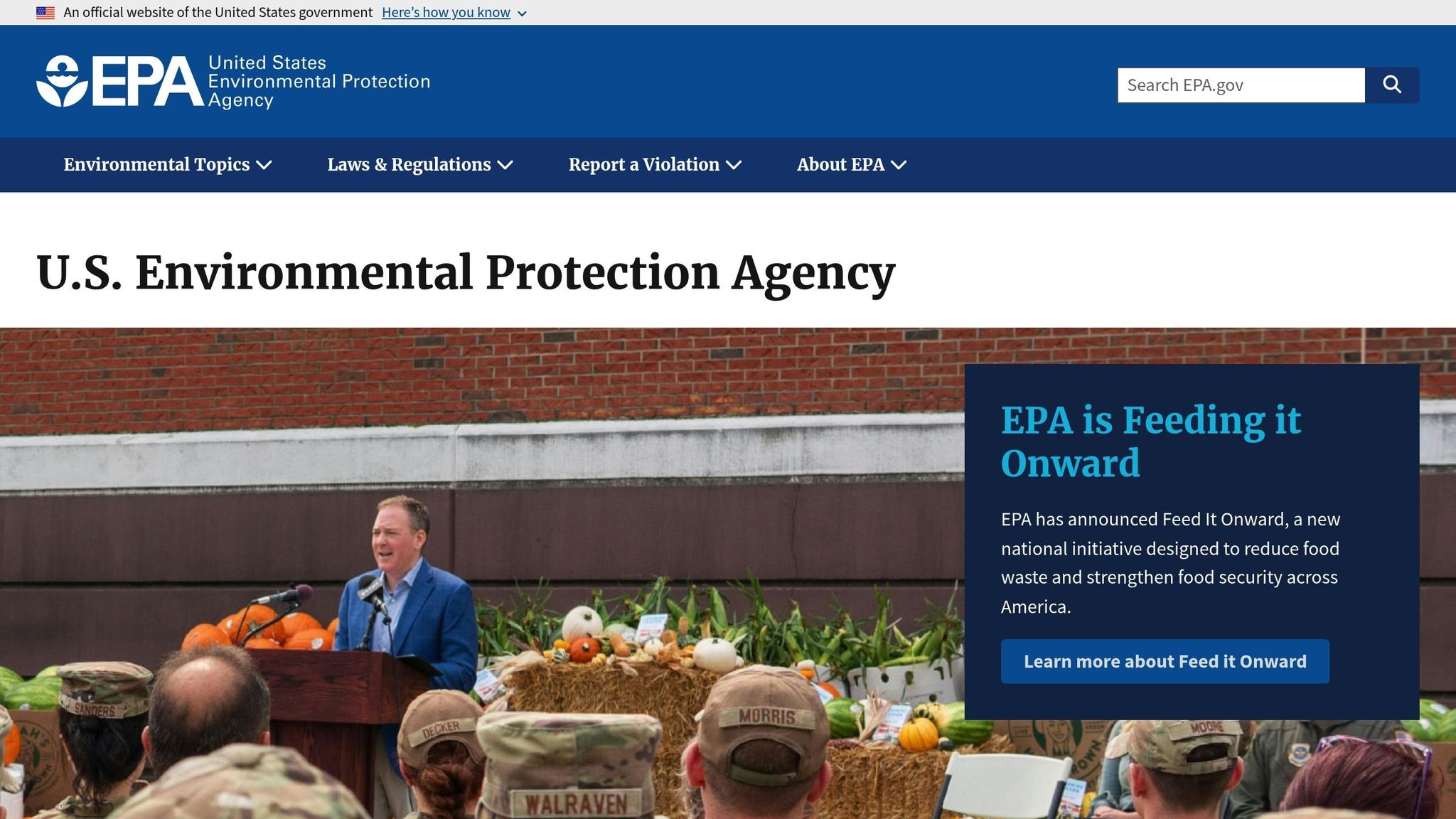
Overview of the EPA‘s Risk Management Plan Rule
Regulatory Compliance: Building Your Risk Management Foundation
Regulatory compliance forms a critical part of risk management for chemical distributors, offering protection against hefty fines, operational shutdowns, and reputational damage. The regulatory environment for chemical distribution is both intricate and ever-changing, requiring companies to stay ahead by actively maintaining compliance.
Chemical distributors operate under the watchful eye of several federal agencies, each with its own set of rules. Beyond the immediate financial penalties, regulatory violations can lead to broader issues like customer audits, supplier scrutiny, and insurance challenges, all of which amplify overall risk.
Key U.S. Regulatory Requirements
In the United States, four primary federal agencies define the regulatory framework for chemical distribution. Each agency enforces specific requirements that distributors must meet to ensure compliance:
- Occupational Safety and Health Administration (OSHA): OSHA focuses on worker safety, setting standards for how chemicals are stored, handled, and labeled at distribution sites. Key measures include mandatory employee training, up-to-date safety data sheets, and strict hazard communication protocols.
- Environmental Protection Agency (EPA): The EPA enforces environmental safety through programs like the Risk Management Program (RMP). Distributors handling hazardous substances must submit detailed RMPs electronically, outlining safety measures, emergency response plans, and compliance strategies. Updates are required every five years or after major operational changes, with non-compliance leading to severe penalties, including criminal charges [2].
- Department of Transportation (DOT): DOT regulations oversee the transportation of hazardous materials, requiring proper packaging, labeling, documentation, and certified drivers. Violations can result in transportation bans or legal consequences, especially in cases of hazardous material incidents.
- Toxic Substances Control Act (TSCA): TSCA adds another layer of complexity by requiring chemical inventory reporting and advance notifications for new substances entering the market [6].
To meet these requirements, distributors must implement robust documentation systems, conduct regular employee training, and perform periodic audits. Digital document management systems have become indispensable, helping companies avoid the risks associated with lost or outdated records.
How ISO Certifications Reduce Risk
ISO certifications build on regulatory requirements, offering structured frameworks that help distributors manage risks more effectively. These certifications, developed by the International Organization for Standardization, provide systematic approaches to maintaining quality and addressing compliance gaps.
- ISO 9001: This certification focuses on quality management, helping distributors streamline processes, reduce errors, and enhance traceability. For example, companies with ISO 9001 certification report up to 50% fewer product recalls and compliance violations compared to uncertified counterparts, according to 2023 industry data [4].
- ISO 14000: This certification addresses environmental management, enabling companies to identify and control environmental risks while showcasing their commitment to environmental responsibility. This can strengthen relationships with both regulators and customers.
A practical example of ISO certifications in action comes from Allan Chemical Corporation. Their ISO 9001 and ISO 14000 certifications allow them to deliver technical-grade and compendial-grade solutions to industries like pharmaceuticals, food, cosmetics, and electronics. These certifications demand regular audits, continuous improvement practices, and well-documented procedures, which help catch and correct compliance issues before they escalate.
One distributor that struggled with repeated labeling errors adopted ISO 9001 and saw an 80% reduction in these mistakes. This improvement enabled the company to pass regulatory inspections smoothly, highlighting how ISO systems can address specific compliance challenges while enhancing overall operational stability.
Additionally, digital tools play a key role in automating regulatory updates and streamlining documentation processes. These investments not only reduce compliance risks but also build trust with customers and minimize disruptions to business operations.
This content is for informational purposes only. Always consult official regulations and qualified professionals before making sourcing or formulation decisions.
Risk Assessment Methods for Chemical Distribution
Identifying risks systematically in your chemical supply chain is essential to avoid accidents and disruptions. A strong foundation in regulatory compliance, paired with accurate risk assessments, helps keep operations secure and uninterrupted.
Chemical distributors encounter various risks that can disrupt their processes and threaten continuity. Common challenges include hazardous material spills, regulatory violations, supply chain interruptions, and data security breaches [1][4].
How to Identify Risks in Your Operations
Start by forming a cross-functional team that includes experts from procurement, operations, and compliance [1]. This group brings diverse insights, helping to identify risks across storage, transportation, and chemical handling processes. Together, they can thoroughly review practices to pinpoint potential hazards.
A key step in risk identification is hazard analysis, which involves examining the physical and chemical properties of materials in your inventory. This process helps anticipate exposure risks. For instance, storing incompatible chemicals together could lead to dangerous reactions, while poor ventilation may increase vapor accumulation and worker exposure.
Mapping your supply chain is another valuable technique. It highlights dependencies and vulnerabilities, such as relying heavily on a single supplier or sourcing materials from disaster-prone regions [1][3]. This approach can guide contingency planning, like identifying alternative suppliers or regions to mitigate risks.
Critical control points – such as chemical transfers, storage transitions, and transportation handoffs – are stages where preventive measures are most effective [1][5]. By focusing on these areas, you can address small issues before they escalate into major problems.
Historical incident data and industry-specific checklists further strengthen the identification process by providing real-world examples of potential failures [5]. Collaborating with industry specialists can also uncover risks that might escape internal teams, particularly when dealing with specialized chemicals or emerging regulations [5].
Tools for Measuring and Tracking Risks
A risk register is a key tool for documenting risks, detailing their likelihood, potential impact, mitigation strategies, and assigned responsibilities [1][5]. Probability-impact matrices are also useful for ranking risks by severity and likelihood, using a scale of 1 to 5 for each [5]. For example, a supplier’s financial instability might be moderately likely but have a high impact, warranting close monitoring and backup supplier plans [3].
Quantitative tools like Monte Carlo simulations and scenario planning provide valuable insights into financial risks and operational disruptions [5]. These models can estimate costs associated with supply chain interruptions or predict how regulatory changes might affect your business.
Ongoing risk tracking is equally important. Key metrics to monitor include supplier reliability (on-time delivery rates), inventory levels, compliance rates, and incident frequency (e.g., spills or regulatory violations) [3][5]. Tracking supplier financial health, such as credit ratings and payment terms, can also signal potential issues.
Updating Risk Assessments Over Time
Risk assessments must evolve alongside operational and regulatory changes. Quarterly reviews or updates following major incidents ensure your strategies stay relevant [1][6].
Regulatory monitoring is critical for keeping assessments up-to-date. Stay informed about updates from agencies like the EPA, OSHA, and DOT by subscribing to alerts, engaging with industry groups, and consulting compliance specialists [6]. This vigilance helps you adapt quickly to new requirements.
Incorporating lessons from incidents, audits, and employee feedback is another way to refine your risk management strategies [1][5]. Analyzing root causes of incidents – whether they occur at your facility or elsewhere – can reveal gaps in your current approach and guide improvements.
Technology can streamline this updating process. Real-time analytics platforms and automated systems for supplier monitoring provide early warnings of potential disruptions [5][3]. These tools analyze market trends, supplier performance, and compliance metrics, issuing alerts when issues arise, such as financial instability or regulatory changes impacting specific chemicals.
By adopting these risk assessment methods, companies like Allan Chemical Corporation demonstrate a proactive approach. Their use of supply chain mapping and just-in-time delivery minimizes inventory risks while maintaining strong supplier relationships that help anticipate potential disruptions.
Industry trends increasingly emphasize embedding risk management into every aspect of the supply chain. This approach ensures that procurement, production, and distribution decisions prioritize risk considerations from the outset, rather than treating them as secondary concerns.
This content is for informational purposes only. Always consult official regulations and qualified professionals before making sourcing or formulation decisions.
Daily Operations That Reduce Risk
When it comes to chemical distribution, effective daily operations are essential for reducing risks. By focusing on inventory management, safety protocols, and leveraging technology, companies can create multiple layers of defense against hazards and regulatory issues.
Inventory Management and Just-in-Time Delivery
Keeping inventory under control is a cornerstone of risk reduction. Demand forecasting and Just-in-Time (JIT) delivery ensure that only the necessary amount of chemicals is stored on-site, minimizing potential hazards.
Demand forecasting relies on historical data to predict chemical needs, helping avoid overstocking. By analyzing patterns like seasonal demand and market trends, companies can optimize inventory levels. Collaborative forecasting with suppliers further improves planning and reduces the need for excess safety stock, which can otherwise pose storage risks [3].
JIT delivery takes this a step further by ensuring chemicals arrive only when needed, reducing on-site storage and simplifying compliance with storage regulations. This approach not only lowers the risk of incidents but also cuts inventory costs. Allan Chemical Corporation, for example, uses JIT delivery to maintain safer operations by keeping hazardous materials on-site to a minimum [3].
Safety stock optimization balances holding costs with the need to prevent stockouts, using supplier lead times and demand variability. This method has been shown to reduce lost sales by up to 30% during supply chain disruptions [5]. Regional distribution centers also play a role in lowering transportation risks while ensuring faster responses to local demand [3].
By streamlining inventory practices, companies lay the groundwork for implementing rigorous safety procedures.
Safety Procedures and Emergency Planning
Strong safety protocols are essential for daily risk management in chemical handling. From proper labeling to emergency planning, these measures ensure safe operations and compliance with regulations.
Accurate labeling is a must, meeting OSHA standards to prevent misuse and accidents. Labels should include hazard pictograms, signal words, and clear precautionary statements. Safety Data Sheets (SDS) provide additional details about chemical properties, handling instructions, and emergency responses.
Spill containment systems are another critical component. Secondary containment pallets, emergency spill kits, and proper drainage systems help limit the spread of hazardous materials in case of leaks. Emergency response plans should outline roles, communication protocols, and step-by-step actions for scenarios like spills, fires, or exposure incidents. These plans must also include evacuation routes and contact details for emergency services.
Regular safety training and drills ensure employees are prepared to handle emergencies effectively. Training should cover proper handling techniques, use of personal protective equipment (PPE), and specific protocols for the chemicals in use [5]. Companies that prioritize safety audits and inspections can identify potential risks, verify compliance, and ensure systems are functioning as intended [3] [1].
Using Technology to Monitor and Control Risks
Technology plays a pivotal role in enhancing risk management. Real-time monitoring systems and automated compliance tracking allow companies to identify and address problems quickly, strengthening their overall safety strategy.
Real-time monitoring tools track environmental factors like temperature and humidity, while IoT sensors detect leaks or unsafe conditions. These systems send instant alerts, enabling rapid responses to potential hazards [1] [4].
Automated compliance tracking ensures companies stay on top of regulatory requirements. These systems manage training schedules, inspection deadlines, and permit renewals, reducing the risk of compliance lapses. Dashboards provide a clear view of compliance status across multiple locations, making it easier to stay organized [4].
Advanced analytics platforms take things further by analyzing market trends, supplier performance, and compliance data. This helps companies spot risks early, such as supplier instability or regulatory changes. Businesses using real-time analytics have reported a 25-40% improvement in identifying supply chain issues compared to manual methods [5].
For instance, in 2023, a global chemical logistics provider adopted real-time analytics to monitor supplier performance. This led to a 35% reduction in stockouts and a 28% faster response to disruptions. Their strategy also included staff training and the creation of a digital risk library [5].
Other technologies, like GPS tracking for shipments, ensure safe and timely deliveries by providing real-time updates on shipment status. Automated inventory management systems help prevent overstocking and ensure chemicals are rotated properly to maintain quality and compliance [4].
Key metrics, such as inventory turnover rates, incident reports, compliance status, and environmental monitoring data, should be tracked daily. Monitoring these metrics helps companies identify trends, address risks, and evaluate the success of their safety measures [1] [4].
This content is for informational purposes only. Always consult official regulations and qualified professionals before making sourcing or formulation decisions.
sbb-itb-aa4586a
Managing Supplier and Transportation Risks
Supplier and transportation challenges can throw a wrench into your operations. Expanding on earlier risk assessment strategies, effectively managing these risks is key to keeping your supply chain steady. By building strong supplier relationships and implementing solid logistics plans, you can minimize disruptions and maintain consistent operations.
Choosing and Working with Multiple Suppliers
Relying on just one supplier can leave your business exposed to risks like financial instability, regulatory setbacks, or unexpected shutdowns. Diversifying your supplier base is a smart way to reduce these vulnerabilities.
Start by evaluating supplier credit ratings, financial health, and audit findings to spot potential red flags. Suppliers under financial strain may compromise on quality control or struggle to meet compliance standards, which could directly impact your business.
Geographic diversification is another layer of protection, especially during global crises. Sourcing chemicals from different regions ensures continuity even if certain areas face lockdowns or transportation bottlenecks.
In 2022, Brenntag, a global chemical distributor, demonstrated the value of this approach. By sourcing chemicals from multiple continents, they maintained supply continuity during the Russia-Ukraine conflict. Their proactive risk mapping and early warning systems enabled them to switch suppliers quickly, minimizing disruptions for their customers [3].
Quality assurance is equally important. Insist on recognized standards like ACS, USP, NF, or FCC, and require suppliers to provide full documentation confirming compliance. Regular supplier audits focusing on quality and regulatory adherence can help address potential issues before they escalate. Collaborative forecasting – sharing demand projections and conducting periodic reviews – also strengthens supplier partnerships and improves supply chain reliability.
While supplier diversification is a cornerstone of risk management, transportation planning is just as critical for keeping operations on track.
Safe Transportation and Logistics Planning
Transporting chemicals comes with its own set of challenges, requiring specialized expertise and equipment to ensure safety and compliance. Carriers trained in handling hazardous materials are better equipped to manage the unique needs of different chemical classifications and handle emergencies effectively.
Real-time GPS tracking can make a big difference. It provides visibility into shipments, allowing for quick responses to delays or route changes. This technology also helps monitor environmental conditions during transit, enabling swift action if issues arise.
In 2023, Univar Solutions improved their transportation risk management by implementing GPS tracking and using specialized carriers for hazardous materials. The result? A 15% reduction in shipment delays and zero major safety incidents throughout the year [5].
Compliance with Department of Transportation (DOT) standards is non-negotiable. Ensure that vehicles and drivers meet all safety requirements for hazardous materials transport, including proper certifications, training, and adherence to approved routes.
Contingency planning is another must. Establish relationships with backup carriers and outline clear protocols for handling emergencies like spills, accidents, or unexpected delays. Transportation management systems (TMS) can enhance coordination by automatically rerouting shipments to avoid traffic, weather disruptions, or road closures, all while staying compliant with hazardous materials regulations.
Contract Terms That Protect Your Business
Strong contract terms are the backbone of risk mitigation, complementing your supplier and transportation strategies.
Supplier contracts should clearly outline compliance obligations, including adherence to OSHA, EPA, and DOT regulations. Specify the consequences of non-compliance and require suppliers to maintain up-to-date certifications and permits.
Quality clauses in contracts help safeguard against substandard materials. Include requirements for meeting product specifications and quality standards, along with clear procedures for addressing non-conforming materials.
Documentation is another critical area. Contracts should mandate that suppliers provide essential documents, such as Certificates of Analysis (CoA) and Safety Data Sheets (SDS), for all deliveries to ensure compliance and safe handling.
Audit rights allow for regular inspections of supplier facilities, quality control processes, and records. This proactive measure helps identify and address risks before they become problems.
Insurance requirements transfer financial risk to suppliers and transportation providers. Specify minimum coverage levels for general liability, product liability, and environmental damage, and require suppliers to list your company as an additional insured party.
Finally, include dispute resolution mechanisms in your contracts. Clear procedures for addressing conflicts, such as mediation or escalation processes, can help resolve issues quickly. Performance penalties and service level agreements (SLAs) further ensure accountability by setting benchmarks for delivery times, product quality, and documentation accuracy, with financial consequences for failing to meet these standards.
At Allan Chemical Corporation, we prioritize diversified supplier networks, rigorous compliance checks, and advanced logistics technologies to ensure a reliable and uninterrupted chemical supply chain.
This content is for informational purposes only. Always consult official regulations and qualified professionals before making sourcing or formulation decisions.
Audits and Process Improvement
Expanding on previous efforts in supplier and transportation risk management, regular audits and process improvements are essential for strengthening your risk mitigation strategies. These audits not only highlight areas where compliance is lacking but also create opportunities to refine and enhance operational processes.
Internal and External Audit Programs
An effective audit program blends internal assessments with external reviews to ensure thorough oversight. Internal audits help identify compliance issues and operational inefficiencies as they arise, while external audits offer an impartial evaluation that is valued by both customers and regulators.
Internal audits should cover critical areas such as safety protocols, chemical safety ratings, environmental regulations, quality systems, and other operational priorities. Equip your internal auditors with up-to-date knowledge of EPA, OSHA, and DOT regulations, and use standardized checklists to maintain consistency across reviews. Make sure to document findings, assign corrective actions, and establish deadlines for resolution.
External audits, on the other hand, provide an objective lens to evaluate compliance with industry standards and regulations. These audits can uncover blind spots that internal teams may miss and are particularly useful when pursuing certifications or demonstrating compliance to key stakeholders.
In 2022, a leading U.S. chemical distributor rolled out a supplier audit program featuring quarterly inspections and corrective action tracking. This initiative led to a 35% reduction in non-compliance incidents and an 18% improvement in on-time deliveries within a year. The program incorporated real-time analytics for monitoring supplier KPIs and included regular staff feedback sessions to fine-tune operations (Source: Elchemy, 2023)[3].
Regular audit programs, paired with diligent corrective action tracking, can cut supply chain disruptions by up to 30%[3]. This is achieved by identifying and addressing problems early, before they escalate into major operational setbacks.
Facility Inspections and Corrective Actions
While audit programs provide a broad view, facility inspections focus on the finer details of daily operations. Regular inspections are vital for managing risks tied to physical conditions and routine practices. Key areas to inspect include chemical storage, handling equipment, safety systems, and documentation processes.
Using detailed checklists tailored to your operations ensures thorough inspections. Involve cross-functional teams to cover all aspects of chemical handling and storage. Document findings immediately with photos and written notes to speed up corrective actions and demonstrate compliance during regulatory reviews. Assign each issue to a specific individual, along with a clear deadline for resolution.
Tracking corrective actions is critical to resolving problems efficiently. Digital tools can streamline this process by monitoring progress and sending reminders as deadlines approach. Follow-up inspections confirm that corrective measures have been implemented effectively and address the root cause.
Advanced tools like real-time monitoring and analytics can boost risk detection and response rates by 25–40%[5]. Additionally, creating a risk library – a centralized database of vulnerabilities and resolutions – helps prevent recurring issues. The Gulf Petrochemicals and Chemicals Association emphasizes the importance of such libraries in facilitating proactive risk management across supply chains[5].
Learning from Incidents and Feedback
Analyzing incidents and gathering feedback systematically can uncover hidden vulnerabilities and strengthen your risk management framework. Every near-miss, customer complaint, or operational hiccup provides valuable lessons.
Incident analysis should go beyond immediate fixes to explore root causes and systemic issues. For example, if a chemical spill occurs, investigate not only the cleanup process but also the conditions that allowed the spill to happen. Collect data from all incidents, including near-misses, to identify patterns that might otherwise remain unnoticed. Regular review meetings are a good way to share these insights across your organization.
Feedback collection should be a continuous process rather than a reaction to specific events. Set up regular channels – like surveys or anonymous suggestion boxes – to gather input from employees, customers, and suppliers. Frontline staff often notice issues before they escalate, while customer feedback can reveal problems like delayed shipments or quality concerns that hint at deeper operational flaws.
Networking with industry peers can also provide valuable insights into emerging risks or lessons learned from similar challenges[3]. To turn feedback and incident data into actionable improvements, establish clear processes for reviewing, prioritizing, and implementing changes. Regular management reviews ensure these insights are incorporated into updated policies and procedures, reinforcing your risk management strategies and operational resilience.
At Allan Chemical Corporation, our structured approach to audits and process improvements – backed by robust quality management systems – helps us uphold the high standards required for regulated industries and their critical applications.
Conclusion
Managing risks in chemical distribution demands a proactive, layered strategy. With supply chain disruptions costing the industry up to $10 billion annually – driven by regulatory shifts, transportation issues, and supplier setbacks[4] – companies that adopt structured risk management programs consistently fare better. In fact, businesses with robust strategies experience up to 30% fewer disruptions compared to those relying on reactive, ad hoc measures[3]. This structured approach not only ensures compliance but also aligns operational practices with long-term success.
The foundation of effective risk management lies in regulatory compliance, meeting standards set by OSHA, EPA, and DOT or using a chemical compliance checker. However, going beyond these requirements – through operational excellence and stringent quality measures – provides an added layer of security. Best practices include strategic inventory planning, maintaining diverse supplier relationships, and leveraging technology to monitor and address potential issues before they escalate.
Continuous improvement and advanced monitoring tools, which can enhance detection and response rates by 25–40%[5], are critical in navigating an ever-changing risk landscape. New regulations, unforeseen supplier challenges, and shifting market dynamics require chemical distributors to stay agile. Regularly scheduling chemical audits, tracking performance metrics, and learning from incidents and near-misses help organizations adapt effectively. However, technology alone isn’t enough – success depends on well-trained staff, clear procedures, and a company-wide commitment to safety and compliance.
Allan Chemical Corporation’s four decades of expertise highlight the value of an integrated approach, combining regulatory excellence with operational efficiency and forward-thinking risk management. By prioritizing quality, fostering strong supplier partnerships, and utilizing just-in-time delivery systems, Allan Chemical demonstrates how comprehensive risk strategies not only protect operations but also drive long-term business success.
Proactive risk management does more than safeguard supply chains – it builds trust, protects reputations, reduces insurance costs, and improves operational efficiency. In an industry where even a single misstep can have widespread consequences, this approach ensures stability and resilience.
This content is for informational purposes only. Always consult official regulations and qualified experts before making sourcing or formulation decisions.
FAQs
Why are ISO certifications important for chemical distributors, and how do they support regulatory compliance?
Chemical distributors rely on specific certifications to ensure they uphold stringent standards and comply with regulatory demands. Certifications like ISO 9001, which focuses on quality management, and ISO 14000, emphasizing environmental responsibility, highlight a company’s dedication to maintaining high performance and responsible practices – both critical in the chemical sector.
Take Allan Chemical Corporation as an example. The company adheres to both ISO 9001 and ISO 14000 frameworks, showcasing its focus on delivering consistent quality while prioritizing environmental care. These certifications not only help meet industry regulations but also strengthen credibility with customers and partners by demonstrating reliable operations and a commitment to responsible practices.
What are the best ways for chemical distributors to reduce risks caused by supplier instability?
To minimize risks linked to supplier instability, it’s wise for chemical distributors to broaden their supplier network. This approach helps secure a steadier supply chain and avoids over-reliance on a single supplier.
Collaborating with seasoned companies like Allan Chemical Corporation, with more than 40 years of experience in sourcing specialty chemicals, can strengthen this strategy. Their just-in-time delivery system and well-established supplier connections ensure a steady supply of premium materials, even during tough market conditions.
How does technology help chemical distributors manage risks, and what tools support real-time monitoring and compliance?
Technology significantly aids chemical distributors in managing risks more effectively by boosting efficiency, precision, and adherence to regulations. Modern systems simplify critical tasks such as inventory management, safety assessments, and regulatory reporting, minimizing errors and ensuring compliance with industry requirements.
Some of the key tools include real-time monitoring software, which keeps track of storage conditions like temperature and pressure, and compliance management platforms, which automate documentation and help meet regulations set by agencies like OSHA and the EPA. By integrating these technologies, distributors can tackle potential risks head-on and keep operations running smoothly.


Comments are closed