
Sourcing chemicals responsibly is no longer optional for regulated industries – it’s mandatory. The shift toward responsible procurement is driven by stricter regulations, environmental concerns, and growing consumer expectations. Here’s what you need to know:
- What it means: Responsible sourcing ensures raw materials are obtained with a focus on ethical practices, reduced emissions, and supply chain transparency.
- Why it matters: Industries like pharmaceuticals and food production face mounting documentation demands from agencies like the FDA and EPA, alongside new climate reporting rules from the SEC.
- Key challenges: Companies must balance compliance, ethical supplier practices, and cost pressures while meeting evolving standards like USP and FCC.
- Solutions: Vet suppliers thoroughly, maintain detailed traceability systems, and prioritize high-quality materials that meet both regulatory and ethical criteria.
This article explores how industries are navigating these challenges and why companies that invest in responsible sourcing now will gain a competitive edge in the future.
Sustainable Procurement: Driving ESG Goals through Ethical Sourcing & Supplier Collaboration | SCT
Key Challenges in Sourcing for Regulated Industries
Sourcing chemicals for regulated industries brings a unique mix of compliance hurdles, environmental concerns, and cost pressures that can significantly affect a company’s operations. These industries operate at the crossroads of stringent technical standards, sustainability initiatives, and tight budgets. Let’s break down the key challenges and the complexities they introduce.
Meeting Strict Standards
Regulatory compliance in this space goes beyond basic requirements – companies face increasingly rigorous documentation and audit demands. For example, compendial-grade chemicals, which must adhere to standards like USP, FCC, ACS, or NF, require suppliers to provide detailed documentation such as certificates of analysis, manufacturing records, and even facility audits. Completing these processes can take months, adding time and complexity to procurement.
The difficulty grows when a single material must meet multiple standards. Take citric acid (CAS No. 77-92-9) for food applications – it must comply with FCC standards while also aligning with sustainability initiatives. Traditional suppliers often struggle to meet these dual demands, leading to supply chain disruptions when materials fail to satisfy both regulatory and environmental criteria.
Environmental and Social Concerns
Beyond meeting technical specifications, companies must also evaluate the environmental and ethical practices of their suppliers. With the growing emphasis on reducing carbon footprints, businesses are now expected to track and report scope 3 emissions for every chemical they purchase. This requires suppliers to provide detailed environmental data – something not all are equipped to do.
Hazardous waste management adds another layer of complexity. Companies must assess suppliers based on their waste reduction efforts, recycling initiatives, and disposal methods. For instance, sourcing water treatment chemicals like aluminum sulfate becomes problematic if the supplier has poor water stewardship practices.
Social responsibility is another critical factor. Companies must ensure fair labor practices within their supply chains, including verifying ethical working conditions, fair wages, and safe manufacturing environments. This often involves on-site audits and continuous monitoring, adding yet another layer to the decision-making process.
Balancing Cost, Compliance, and Environmental Goals
Sustainable sourcing often comes with a higher price tag, creating tension between environmental goals and budget constraints. Suppliers with environmentally responsible practices frequently charge more, and the extensive documentation and testing required for regulatory compliance further drive up costs. On top of that, just-in-time delivery requirements can complicate matters, as sustainable suppliers may have longer lead times due to their complex production processes.
These factors can extend the supplier selection process, making rapid sourcing nearly impossible. Risk management becomes even more challenging when balancing quality, sustainability, and compliance. Adding supplier diversity requirements to the mix – such as working with minority-owned or small businesses – can further complicate the process. These smaller suppliers may lack the resources to meet both sustainability and compliance demands, creating additional hurdles for procurement teams.
This content is for informational purposes only. Consult official regulations and qualified professionals before making sourcing or formulation decisions.
Solutions: Sustainable Sourcing Strategies and Practices
Navigating sustainable sourcing in regulated industries requires a solid foundation built on strong supplier relationships, thorough documentation, and specialized knowledge. These elements prepare companies to select suppliers who meet both regulatory demands and sustainability goals.
Supplier Vetting and Certification
Sustainable sourcing starts with partnering with suppliers who prioritize environmental responsibility and regulatory compliance. Businesses should focus on suppliers with proven quality management systems and ISO standards and environmental certifications. These credentials signal a commitment to maintaining high standards, reliable processes, and continuous improvement.
Evaluating suppliers goes beyond certifications. Companies need to examine manufacturing methods, waste management procedures, and the transparency of supply chains. Regular audits help ensure suppliers uphold ethical labor practices, implement environmental safeguards, and provide the necessary documentation for regulatory adherence. For example, suppliers must demonstrate proper storage conditions and offer certificates of analysis for every batch they produce.
Building long-term relationships with trusted suppliers offers more than just compliance benefits. Experienced suppliers are better equipped to handle shifting regulations and industry-specific needs. These partnerships foster a cycle of consistent improvements, benefiting both the business and the environment.
Technical-Grade and Compendial-Grade Sourcing
Once suppliers are vetted, they can provide high-quality materials that align with both compliance and environmental goals. Compendial-grade chemicals – such as those meeting USP, FCC, ACS, or NF standards – undergo stringent testing to ensure purity, quality, and adherence to environmental controls.
These premium materials often come from suppliers with advanced manufacturing capabilities and robust sustainability practices. For instance, pharmaceutical-grade citric acid (CAS No. 77-92-9) requires meticulous batch records, comprehensive purity testing, and adherence to good manufacturing practices. These processes frequently include measures to reduce waste and conserve energy.
Technical-grade sourcing also brings operational benefits, like improved inventory management and reduced waste. Suppliers offering flexible batch sizes and just-in-time delivery help companies avoid overstocking and minimize material degradation. This approach keeps inventory fresh and reduces the environmental impact of excess storage or disposal.
Documentation and Traceability Systems
Thorough documentation and traceability systems are essential for sustainable sourcing in regulated industries. Each shipment of chemicals should include certificates of analysis verifying purity, composition, and compliance with industry standards. Safety data sheets must outline handling, storage, and disposal guidelines, enabling responsible material management throughout their lifecycle.
Modern traceability systems allow companies to track materials from their origin through manufacturing, packaging, and delivery. These systems should document key details such as raw material sources, production dates, transportation methods, and storage conditions. This level of detail not only helps identify and resolve quality issues quickly but also supports sustainability reporting requirements.
Digital tools, like electronic certificates and automated tracking systems, simplify documentation and audits. They provide quick access to historical data, making regulatory inspections more efficient. Additionally, these systems can capture environmental metrics, such as carbon footprints, waste output, and energy usage from suppliers. This data supports scope 3 emissions reporting and highlights areas for environmental improvements across the supply chain.
This content is for informational purposes only. Always consult official regulations and qualified experts before making sourcing or formulation decisions.
sbb-itb-aa4586a
Benefits of Sustainable Sourcing for Regulated Industries
When businesses in industries like pharmaceuticals, food production, and other heavily regulated sectors adopt sustainable sourcing, the advantages go far beyond environmental responsibility. These practices not only help companies meet compliance standards but also strengthen long-term economic performance.
Regulatory Compliance and Risk Management
Sustainable sourcing plays a key role in reducing regulatory risks. By working with suppliers that maintain documented, environmentally responsible practices, companies can avoid many compliance issues. These suppliers often adhere to strict operational standards and implement strong quality control measures. It is also vital to ask potential partners about their compliance and ethics before formalizing an agreement. Additionally, diversifying the supplier network with eco-conscious partners makes supply chains more resilient, reducing the chances of disruptions that could halt production.
Reducing Environmental Impact
Choosing responsible sourcing methods can significantly cut emissions and waste. For example, partnering with suppliers that use cleaner manufacturing techniques, renewable energy sources, and efficient transportation can help companies lower their overall carbon footprint. Waste reduction is another major benefit, as it decreases disposal costs and limits potential environmental liabilities.
Financial and Reputation Gains
While sustainable sourcing may involve higher upfront costs, the financial payoff often becomes evident over time. Companies can save money through improved efficiency, reduced waste disposal expenses, and lower regulatory compliance costs. Energy-efficient practices adopted by suppliers also contribute to long-term savings. Beyond the financial aspects, sustainable sourcing can enhance a company’s reputation. As consumers become more environmentally conscious, businesses that prioritize responsible practices often enjoy greater customer loyalty and stronger market trust.
These advantages highlight the potential of advanced sourcing strategies, such as sourcing custom chemical blends, as illustrated in the case study below.
This content is for informational purposes only. Always consult official regulations and qualified experts before making sourcing or formulation decisions.
Case Study: Allan Chemical Corporation‘s Sustainable Sourcing Approach
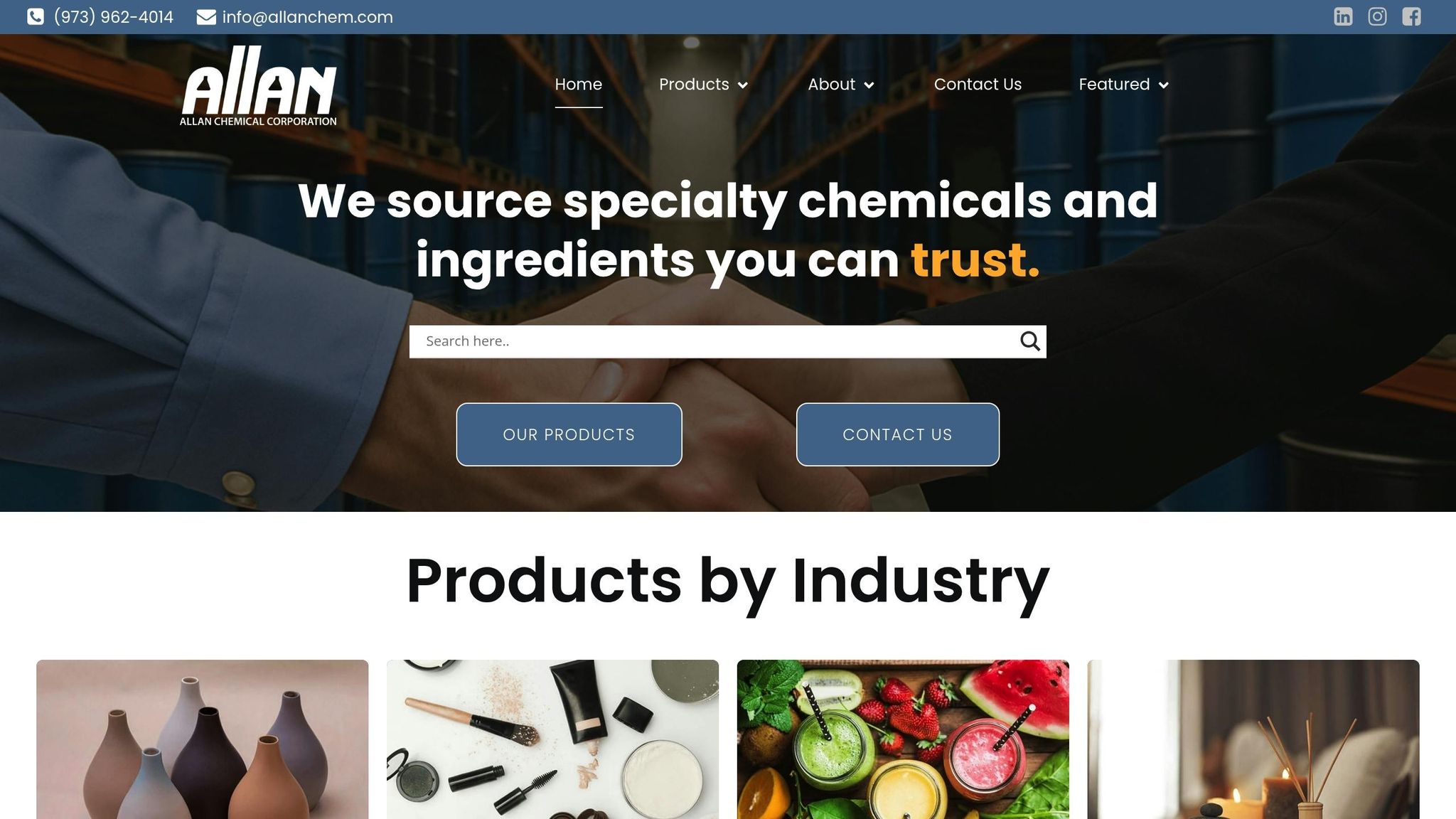
Allan Chemical Corporation exemplifies how sustainable sourcing can thrive within regulated industries. With over 40 years of experience, this family-owned business has found a way to balance environmental responsibility with strict regulatory demands. This case study builds on earlier discussions about the challenges and solutions in sustainable sourcing.
The company’s history highlights how deeply sustainable sourcing is woven into its business strategy. Serving industries such as pharmaceuticals, food production, cosmetics, ceramics, and electronics, Allan Chemical provides both technical-grade and compendial-grade materials that meet USP, FCC, ACS, and NF standards.
Supplier Relationships and Rigorous Standards
At the heart of Allan Chemical’s approach is its dedication to maintaining high-quality operational standards. By working directly with carefully vetted manufacturers, rather than relying on intermediaries, the company ensures better oversight of sourcing practices. This direct approach enables them to uphold both environmental and social responsibility across their supply chain.
Their supplier evaluation process is thorough, examining factors like manufacturing practices, environmental impact, and compliance history. This ensures partnerships with manufacturers who share similar values, creating a supply network that aligns with their commitment to sustainability and reliability.
Custom Sourcing and Just-in-Time Delivery
Allan Chemical also enhances efficiency and reduces waste through its tailored sourcing solutions. Their custom batch sizes allow customers to order only what they need, cutting down on excess inventory and waste. This flexibility is particularly valuable in industries where precision and compliance are critical.
Their just-in-time delivery system further supports sustainability by minimizing storage needs and the energy costs associated with climate-controlled facilities. By delivering materials exactly when they’re required, customers can lower their environmental footprint while adhering to strict storage regulations.
Additionally, the company offers custom packaging options designed to reduce waste. This includes right-sized containers, recyclable materials, and packaging that protects product integrity while keeping environmental impact to a minimum.
Environmental Responsibility and Long-Term Commitment
Allan Chemical stands out for its dedication to both compliance and environmental responsibility. Their sourcing-first philosophy integrates sustainability into every decision, from supplier selection to transportation methods that reduce carbon emissions. They prioritize working with manufacturers who adopt cleaner production processes, ensuring a greener supply chain.
Rather than focusing solely on transactions, Allan Chemical emphasizes long-term customer relationships. This approach allows them to collaborate with clients on developing sustainable sourcing strategies over time. Their technical support team also provides guidance to help customers optimize material usage, reducing waste and improving efficiency.
By combining environmental stewardship with regulatory expertise, Allan Chemical has set a high standard within regulated industries. Their practices not only meet compliance requirements but also help customers transition to greener alternatives, reinforcing sustainability at every step.
This content is for informational purposes only. Consult official regulations and qualified professionals before making sourcing or formulation decisions.
Conclusion: The Future of Sustainable Sourcing in Regulated Industries
Regulated industries are undergoing significant changes, with sustainable sourcing becoming a key factor in achieving both operational success and competitive edge. Sectors like pharmaceuticals, food production, cosmetics, and electronics are under increasing scrutiny from regulatory bodies, consumers, and stakeholders to demonstrate environmental responsibility while maintaining strict compliance standards.
The challenges these industries face – such as navigating complex regulations and risk mitigation and balancing costs with environmental goals – are pushing companies to rethink their supply chain strategies. Traditional cost-driven approaches are giving way to models that incorporate environmental and social considerations as core elements.
This transformation is reshaping supply chain management and influencing future industry practices. Advanced documentation, enhanced traceability, and stronger supplier collaborations are expected to become standard. Companies that invest in these areas now will be better equipped to adapt to evolving regulations and market demands. Additionally, the focus on technical-grade and compendial-grade materials – meeting standards like USP, FCC, ACS, and NF – is anticipated to grow, as quality assurance increasingly aligns with sustainability goals. These advancements not only support compliance but also reinforce environmental care.
Allan Chemical Corporation exemplifies how established companies can adopt sustainable practices without sacrificing quality or compliance. Their sourcing-first approach and emphasis on direct manufacturer relationships provide a practical framework for others in regulated industries. Furthermore, their dedication to custom solutions demonstrates how businesses can achieve both environmental and economic gains.
Companies that seamlessly integrate sustainability into their operations will lead the way forward. The future belongs to those who can align regulatory compliance, environmental responsibility, and operational efficiency into strategies that benefit both their business and the planet.
This content is for informational purposes only. Consult official regulations and qualified professionals before making sourcing or formulation decisions.
FAQs
What are the advantages of sustainable sourcing for regulated industries beyond meeting compliance requirements?
Sourcing sustainably isn’t just about ticking compliance boxes – it’s a way for companies in regulated industries to gain a real edge. By committing to ethical and environmentally conscious practices, businesses can boost their brand image, earn consumer trust, and encourage lasting loyalty.
But the advantages don’t stop there. Sustainable sourcing can help reduce supply chain risks, make operations more resilient, and even spark new ideas. It positions companies to adapt to changing regulations and market expectations, all while trimming costs and improving efficiency. In the long run, this approach supports both financial success and a healthier planet.
How can companies manage the higher costs of sustainable sourcing while staying within budget?
Companies can handle the increased costs of sustainable sourcing by employing strategies that align environmental responsibility with cost management. For instance, choosing local or regional suppliers can cut down on transportation expenses, while working closely with suppliers to develop eco-friendly solutions may reduce costs over time.
Incorporating sustainability into broader business goals – like cutting waste, boosting energy efficiency, or optimizing procurement processes – can also yield notable savings. Beyond the financial perks, these initiatives strengthen compliance with environmental regulations and enhance the company’s reputation, creating a win-win for both the planet and the business.
How can companies ensure their suppliers comply with both regulatory and sustainability standards?
To ensure suppliers align with regulatory and environmental standards, businesses should set clear expectations by outlining compliance and sustainability requirements directly in their contracts. Regular audits – ideally including unannounced visits – are essential to confirm these standards are being met. Additionally, conducting detailed risk assessments of suppliers can help spot potential problems before they escalate.
Offering training and guidance to suppliers is another key step, ensuring they fully understand the ethical and environmental benchmarks they need to achieve. Ongoing monitoring, paired with clear consequences for falling short, strengthens accountability and encourages continuous improvement. Collaborating with experienced sourcing partners like Allan Chemical Corporation, known for their focus on compliance and sustainability, can make this process more efficient and effective.



Comments are closed