
Pore-forming agents are materials added to ceramic mixtures to create controlled porosity during the firing process. These agents burn away at specific temperatures, leaving pores that improve ceramics for applications like filtration, insulation, and catalyst supports. The choice of agent influences pore size, distribution, mechanical strength, and thermal conductivity.
Three common agents include:
- Starch: Produces uniform, spherical pores. Ideal for filtration and insulation but reduces compressive strength as porosity increases. Thermal conductivity drops by 50–60% with 25% porosity.
- Corn Flour: Forms interconnected pores, enhancing permeability for filtration and catalyst supports. Offers moderate strength but requires careful handling due to moisture sensitivity.
- Biochar: Creates dual-scale pores, improving thermal insulation and fracture toughness. Best for high-temperature or energy-efficient applications but comes at a higher cost.
Each agent has distinct strengths and limitations, making the selection process critical to meeting specific ceramic performance requirements.
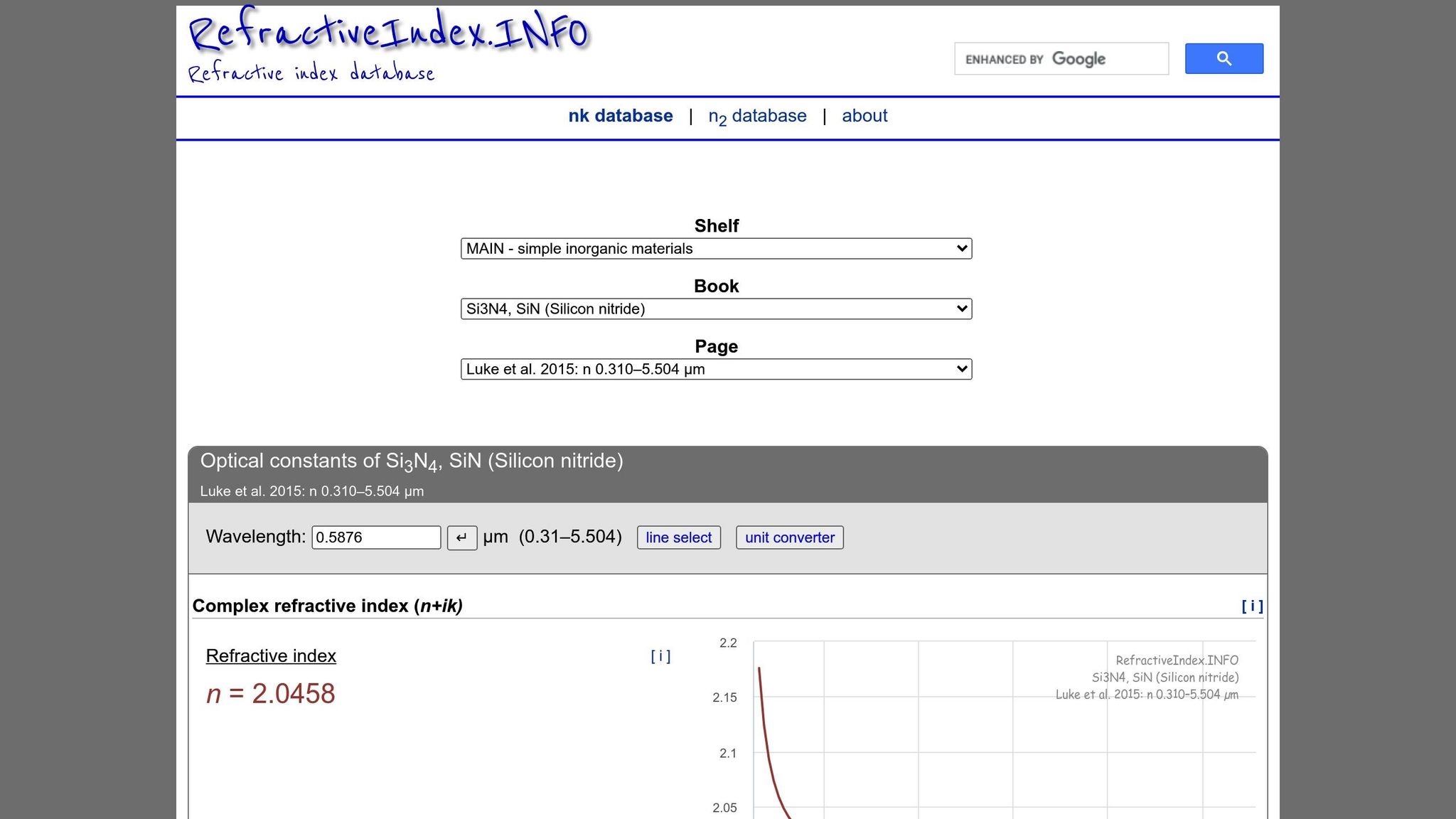
Polyethylene in Porous Si3N4 Ceramics Explained #sciencefather #porous #materialsscientist
1. Starch
Starch serves as a popular pore-forming agent due to its reliable burnout process and affordability. This natural polymer thermally decomposes between 572°F and 752°F (300°C to 400°C), leaving behind pores that mirror the size and shape of the original starch particles. This controlled decomposition not only determines pore size but also impacts the material’s structural and thermal behavior.
Porosity
Starch creates uniform, spherical pores, with their size directly tied to the particle size of the starch used. Fine particles (10-50 micrometers) are ideal for creating micropores suited for filtration, while larger particles (100-500 micrometers) form bigger pores that work well in insulation ceramics. The decomposition process ensures consistent pore distribution, as starch burns cleanly during firing.
The level of porosity can be adjusted by varying the starch content in the ceramic mixture. For example, using 10–15% starch results in 20–30% porosity in the final ceramic. Higher starch concentrations, such as 20–25%, can increase porosity to around 40%. However, achieving this requires careful adjustments to maintain the material’s structural stability.
Mechanical Strength
While starch efficiently forms pores, it also reduces mechanical strength in proportion to the pore volume. Ceramics with 20% porosity from starch typically experience a 30–40% drop in compressive strength compared to denser ceramics. This is because the pores act as stress concentrators, providing weak points where cracks can form and spread.
One advantage of starch is its clean burnout process, which minimizes further strength loss. Unlike some other pore-forming agents that leave carbon residues or irregular pore shapes, starch burns out entirely, producing smooth pore walls. These smoother walls reduce stress concentration effects, making starch a reliable choice for applications requiring predictable mechanical properties.
Thermal Conductivity
Starch-formed pores improve insulation by introducing air-filled voids that disrupt heat transfer. Ceramics with 25% porosity derived from starch typically exhibit thermal conductivity values that are 50–60% lower than dense ceramics. The spherical shape of the pores minimizes solid-to-solid contact points, further reducing heat conduction.
The uniformity of the pores plays a crucial role in enhancing insulation. Consistent pore sizes prevent hot spots or thermal bridges, ensuring even insulation throughout the ceramic body. For refractory uses, ceramics with starch-derived porosity retain their insulating properties even at high temperatures, as the pores remain stable after firing.
This content is for informational purposes only. Consult official regulations and qualified professionals before making sourcing or formulation decisions.
2. Corn Flour
Corn flour serves as an economical alternative to starch for use as a pore-forming agent. It burns off at higher temperatures, creating a distinct porous microstructure. Its irregular particle shapes promote the formation of interconnected pore networks, which can be particularly useful for applications like filtration systems or catalyst supports where efficient fluid flow is essential. Like starch, corn flour allows for tailoring porosity to meet specific performance requirements.
Porosity
The irregular shape of corn flour particles leads to interconnected pore networks, unlike the isolated, uniform voids typically formed by starch. This interconnected structure improves permeability within ceramic materials, making it ideal for applications requiring enhanced fluid or gas flow. Additionally, the gradual decomposition of corn flour releases gases in a controlled manner, helping to minimize defects. This pore network also plays a role in distributing stress within the ceramic, which can influence its mechanical properties.
Mechanical Strength
The interconnected pores created by corn flour help distribute stress across the ceramic matrix, which can reduce the likelihood of crack propagation. However, increased porosity often results in lower compressive strength, so formulations must strike a balance between reduced weight and mechanical performance. The textured surface left behind after burnout can also enhance mechanical interlocking when used in composite materials.
Thermal Conductivity
The interconnected pore structure of corn flour reduces heat transfer, making it a good choice for thermal insulation. The tortuous pathways created by these pores impede heat flow, resulting in lower thermal conductivity compared to denser ceramics. Additionally, the irregular pore shapes scatter thermal radiation, which is particularly beneficial in high-temperature environments. In some cases, the permeability of the material can support convective cooling, which may be advantageous or disadvantageous depending on the specific insulation requirements.
This content is for informational purposes only. Consult official regulations and qualified professionals before making sourcing or formulation decisions.
sbb-itb-aa4586a
3. Biochar
Biochar provides a renewable solution for creating pores in ceramics, offering benefits tied to its natural origin and unique structural characteristics. Made through the pyrolysis of organic biomass, this carbon-rich material forms intricate porous networks that stand apart from traditional pore-forming agents. Its irregular, layered structure and natural porosity make it especially useful for ceramic applications that demand controlled permeability and effective thermal performance. These structural qualities directly affect porosity, mechanical strength, and heat management.
Porosity
Biochar generates both internal micropores and larger voids during its burnout phase, resulting in a dual-scale pore system. This system improves permeability while maintaining structural stability within the ceramic matrix. Such features make it easier to fine-tune pore structures to meet specific demands for controlled porosity.
The burnout process of biochar is gradual and occurs over a broad temperature range. This slow decomposition allows for controlled gas release, reducing the likelihood of cracking during firing. This stability is particularly valuable for precision ceramic components. The resulting pore structures include both macro- and micropores, offering flexibility for applications requiring varying degrees of permeability.
Mechanical Strength
Unlike spherical pore-forming agents, biochar’s fibrous particles enhance interlocking within the ceramic matrix. This often improves fracture toughness by distributing stress more evenly, lowering the chances of material failure under pressure. However, the increased porosity still requires careful monitoring to ensure sufficient compressive strength for structural uses.
The tortuous pathways created by biochar within the ceramic material can also improve mechanical properties. These pathways help deflect cracks and absorb energy, making biochar-modified ceramics well-suited for applications needing impact resistance or thermal shock durability. Additionally, the irregular surface texture left after burnout offers excellent bonding opportunities for composite materials.
Thermal Conductivity
Biochar’s intricate pore structure acts as a thermal barrier in ceramics, greatly reducing heat transfer through both conduction and radiation. The uneven pathways and varied pore sizes scatter thermal energy, making these ceramics ideal for high-temperature insulation. During initial heating, biochar’s carbon structure absorbs thermal radiation, further boosting its insulating properties.
The multi-scale porosity created by biochar introduces air pockets of various sizes, each contributing to thermal resistance. Larger pores limit conductive heat transfer, while smaller micropores trap air and reduce convective heat loss. This combination often results in lower thermal conductivity compared to traditional pore formers, making biochar an excellent choice for energy-efficient ceramic insulation.
This content is for informational purposes only. Consult official regulations and qualified professionals before making sourcing or formulation decisions.
Advantages and Disadvantages
Here’s a breakdown of the key benefits, challenges, and ideal uses for each pore-forming agent:
| Pore-Forming Agent | Advantages | Disadvantages | Best Applications |
|---|---|---|---|
| Starch | Affordable and easy to source; predictable burnout behavior; creates evenly distributed pores | Limited stability at high temperatures; excessive use may cause cracking; moderate control over pore size | General-purpose ceramics, filtration systems, lightweight structural parts |
| Corn Flour | Renewable and disperses well in ceramic mixtures; forms interconnected pores; retains strength at moderate concentrations | Inconsistent particle sizes can impact results; sensitive to moisture during storage; struggles with thermal shock | Food-safe ceramics, decorative tiles, medium-temperature insulation |
| Biochar | Dual-scale pores provide excellent thermal insulation; may increase fracture toughness despite added porosity; renewable and eco-friendly; strong resistance to thermal shock | Higher cost; irregular particle shapes complicate processing; requires precise quality control | High-temperature insulation, energy-efficient construction materials, specialized industrial ceramics |
Each agent delivers unique performance traits. Starch predictably reduces compressive strength, while corn flour maintains strength at lower concentrations but weakens significantly at higher levels. Biochar, on the other hand, can improve fracture toughness even as porosity increases. In terms of thermal properties, starch provides moderate insulation, corn flour balances insulation with structural integrity, and biochar excels with its intricate pore structure, achieving notably low thermal conductivity.
From a processing perspective, starch is simple to incorporate, corn flour demands careful moisture management, and biochar requires precise particle size control. Cost-wise, starch is the most budget-friendly for large-scale applications, corn flour strikes a balance between price and sustainability, and biochar, though more expensive, offers unmatched thermal performance.
Environmentally, all three agents are biodegradable. Biochar stands out with its carbon sequestration potential, corn flour repurposes agricultural by-products, and starch benefits from a dependable and widespread supply chain.
This information is provided for general guidance. Always consult experts and adhere to official regulations when making sourcing or formulation decisions.
Conclusion
Selecting the right pore-forming agent is a key step in optimizing ceramic properties, as it requires balancing performance needs with cost considerations. Starch, corn flour, and biochar each bring distinct advantages depending on the application. Starch is cost-effective and predictable, making it suitable for large-scale production. Corn flour offers a balance of environmental benefits and moderate performance, while biochar delivers top-tier thermal insulation at a premium price. Understanding these differences helps manufacturers choose the best additive for their specific requirements.
Corn flour is a strong contender for food-safe ceramics and decorative pieces, thanks to its balance of performance and sustainability. However, it requires careful handling due to its sensitivity to moisture and variability in particle size, which can affect consistency during production.
Biochar stands out for high-performance applications where thermal insulation is critical. Its dual-scale pore structure and exceptional thermal properties make it ideal for energy-efficient construction materials and industrial ceramics. Despite its higher cost, biochar’s ability to enhance fracture toughness – even with increased porosity – makes it a valuable option for applications involving thermal cycling or mechanical stress.
For projects with tighter budgets and standard performance requirements, starch remains the most practical choice. On the other hand, corn flour is better suited for applications that require moderate performance and align with environmental goals. When performance takes precedence over cost, biochar is the clear choice for high-performance thermal applications.
Working with dependable suppliers like Allan Chemical Corporation, which brings over 40 years of expertise in technical-grade solutions, ensures consistent quality and cost-effective production. Aligning material selection with reliable sourcing is essential for achieving consistent and reliable ceramic performance.
This content is for informational purposes only. Always consult official regulations and qualified professionals before making sourcing or formulation decisions.
FAQs
How do pore-forming agents impact the thermal conductivity of ceramics, and which ones are best for insulation?
Pore-forming agents are essential in controlling the thermal conductivity of ceramics by increasing porosity, which in turn reduces heat transfer. The effectiveness of these agents depends on the size, shape, and distribution of the pores they create. Larger, evenly distributed spherical pores are especially effective, as they improve insulation while preserving the material’s overall strength.
Agents that generate uniform, spherical pores are particularly valued for enhancing insulation properties. By carefully balancing porosity and structural integrity, these agents enable ceramics to excel in applications where thermal insulation is a priority.
What are the environmental advantages of using biochar as a pore-forming agent in ceramics compared to starch or corn flour?
Using biochar as a pore-forming agent in ceramics brings environmental benefits that are hard to ignore. It not only helps cut down greenhouse gas emissions like CO₂ and N₂O but also boosts soil carbon storage and supports microbial activity. These qualities make biochar a smart, sustainable option for ceramic production.
On the other hand, starch and corn flour, though biodegradable and renewable, don’t offer the same level of impact when it comes to reducing greenhouse gases or improving long-term soil health. Still, their natural origins and alignment with sustainable manufacturing practices make them solid environmentally friendly choices.
How can manufacturers optimize porosity and strength when using corn flour as a pore-forming agent in ceramics?
To strike the right balance between porosity and mechanical strength in ceramics, the use of corn flour as a pore-forming agent requires precise control. Studies indicate that adding approximately 15% corn flour can achieve porosity levels as high as 55.6% while still retaining sufficient strength.
Moreover, optimizing the sintering process – particularly the temperature and time – plays a critical role. These adjustments help densify the ceramic material, improving its strength without drastically reducing porosity. By carefully managing these variables, manufacturers can customize the ceramic’s properties to suit specific application requirements.



Comments are closed